ChargePoint Home Flex vs Emporia vs Grizzl-E: Which Home Charger Fits You?
Compare exact ChargePoint Home Flex, Emporia and Grizzl-E variants by installation, controls, cable reach and support.
As an Amazon Associate, EV Charging may earn from qualifying purchases. This helps support our independent guides at no extra cost to you. Learn more.
Key takeaways
- Compare exact models rather than attributing every feature to a brand.
- Emporia Classic and Pro have different advanced-control capabilities.
- Grizzl-E Classic and Classic Connect are distinct variants.
Compare exact models, not just three brand names
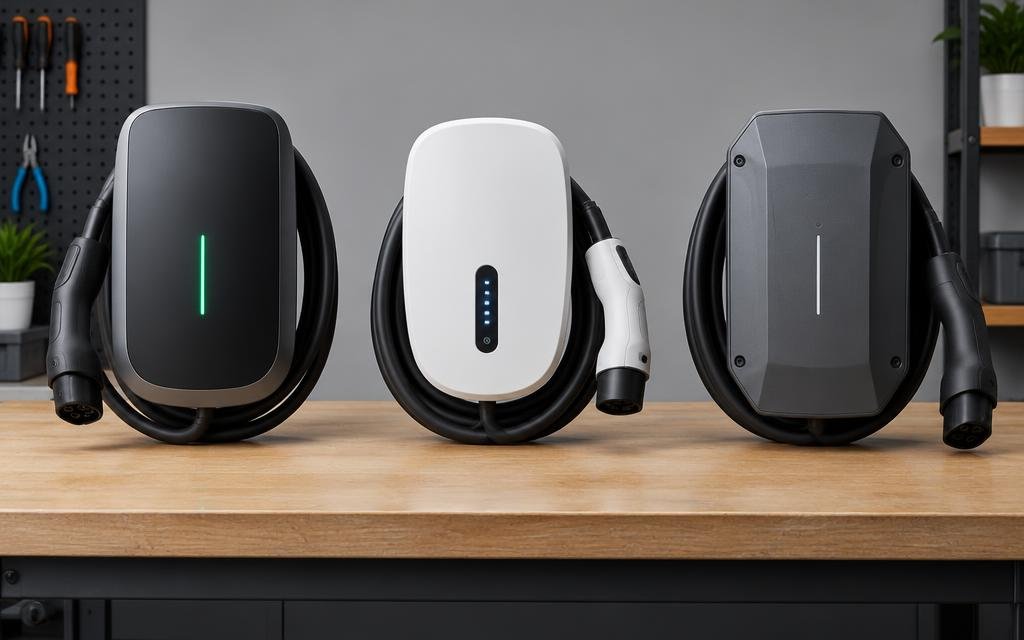
ChargePoint Home Flex, Emporia and Grizzl-E offer different approaches to home charging, but the brand name alone is not enough to choose between them. Product families now include variants with different connectors, current limits and connected features. Start by writing down the exact model you are comparing.
This is a specification-based buying guide, not a hands-on durability test or an uptime ranking. Manufacturer documentation can establish capabilities and requirements; it cannot prove which unit will be most reliable in every garage. The best fit depends on your vehicle, electrical installation and the features you will actually use.
Shop this guide
Compare current options and prices
ChargePoint Home Flex: check the installation configuration
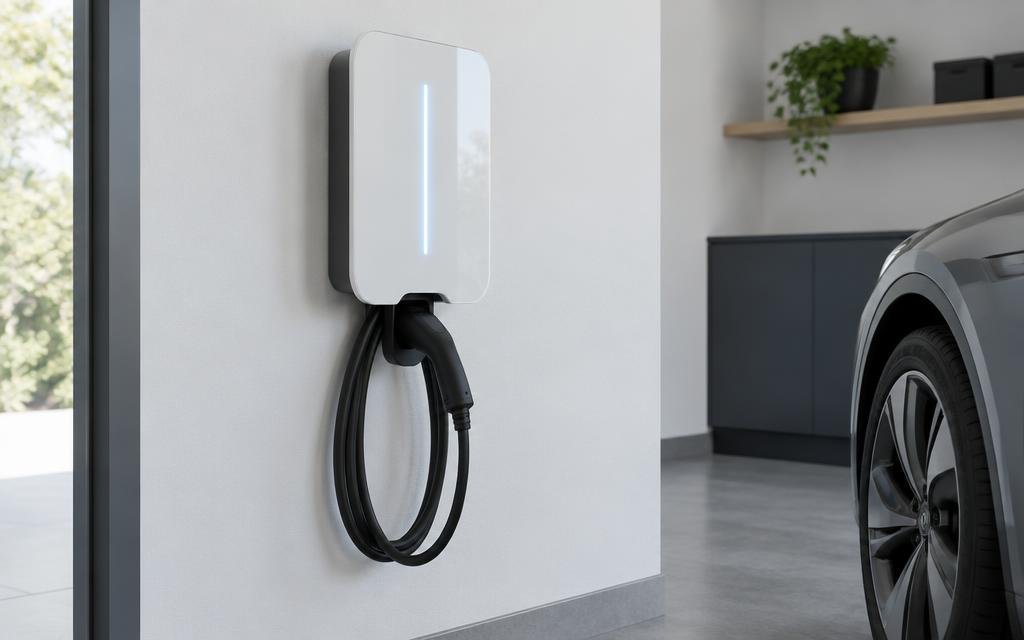
ChargePoint describes Home Flex as adjustable across several current settings, with a 23-foot charging cable. Its installation guidance distinguishes plug-in configurations from hardwired operation. The highest advertised output should not be assumed available through every supply arrangement.
The appeal for some households is a connected home-charging product within the ChargePoint ecosystem. If you already use its services, inspect the current home app functions and decide whether that familiarity helps. Do not assume public-network membership, home features and utility eligibility are the same thing.
Before buying, match the exact connector version and installation method to the car and quote. Ask the installer which current is appropriate and how the product's protection requirements will be handled. Home Flex's flexibility is useful only when the chosen configuration fits the actual circuit.
Emporia: distinguish Classic from advanced systems
Emporia's current Classic product page describes up to 48A charging, app control and scheduling, with connector choices for NACS and J1772 vehicles. It also explicitly points buyers seeking advanced solar or PowerSmart load-management capabilities toward the Pro product. That distinction matters when reading older reviews or comparing bundles.
Do not assume every Emporia charger includes every feature mentioned anywhere in the brand's energy ecosystem. Identify the exact hardware, required accessories and supported functions in the proposed package. A basic charger plus a separately advertised feature does not automatically equal a complete working system.
If energy monitoring or advanced control is central to your choice, ask for a written component list and installation scope. Compare the complete price rather than the base unit alone. A clear explanation of what each part does is more useful than a promise that everything is smart.
Grizzl-E: separate Classic from connected variants
Grizzl-E offers a Classic 40A model and separately named connected products. Its current catalog includes Classic Connect, so a review that simply says Grizzl-E has no app or always has an app is too broad. Match the review and manual to the model in your cart.
The Classic approach can appeal to owners who want a straightforward charging routine and already use the vehicle's scheduling controls. That is a workflow preference, not evidence that fewer features guarantee better reliability. Evaluate the documented construction, certification, installation requirements and support terms on their own merits.
Confirm connector availability, cable details and approved installation settings for the selected variant. Do not rely on a product-family photograph or an old retailer description. The exact model designation is the anchor that keeps a comparison from drifting between different products.
Let the car set the useful power ceiling
Your vehicle's onboard AC charger limits how much power it can accept at home. A larger rating on the wall unit cannot override that limit. Check the exact model year and trim rather than using the vehicle's maximum DC fast-charging specification.
At 240V, 40A corresponds to 9.6 kW and 48A to approximately 11.5 kW before losses. If your car accepts less than either, the difference may not change charging speed. If it can use the additional power, decide whether the time saving matters within your available window.
Compare daily top-ups rather than only empty-to-full times. A household needing a modest overnight refill may find all three suitable at an appropriate setting. A short off-peak period or high daily mileage can make the power comparison more important.
Price the installed systems on equal terms
Ask the installer to quote the same mounting location and charging goal for each candidate. Include permits, circuit work, commissioning and any required accessories. A cheaper charger can become the more expensive project if its chosen configuration requires additional work at your property.
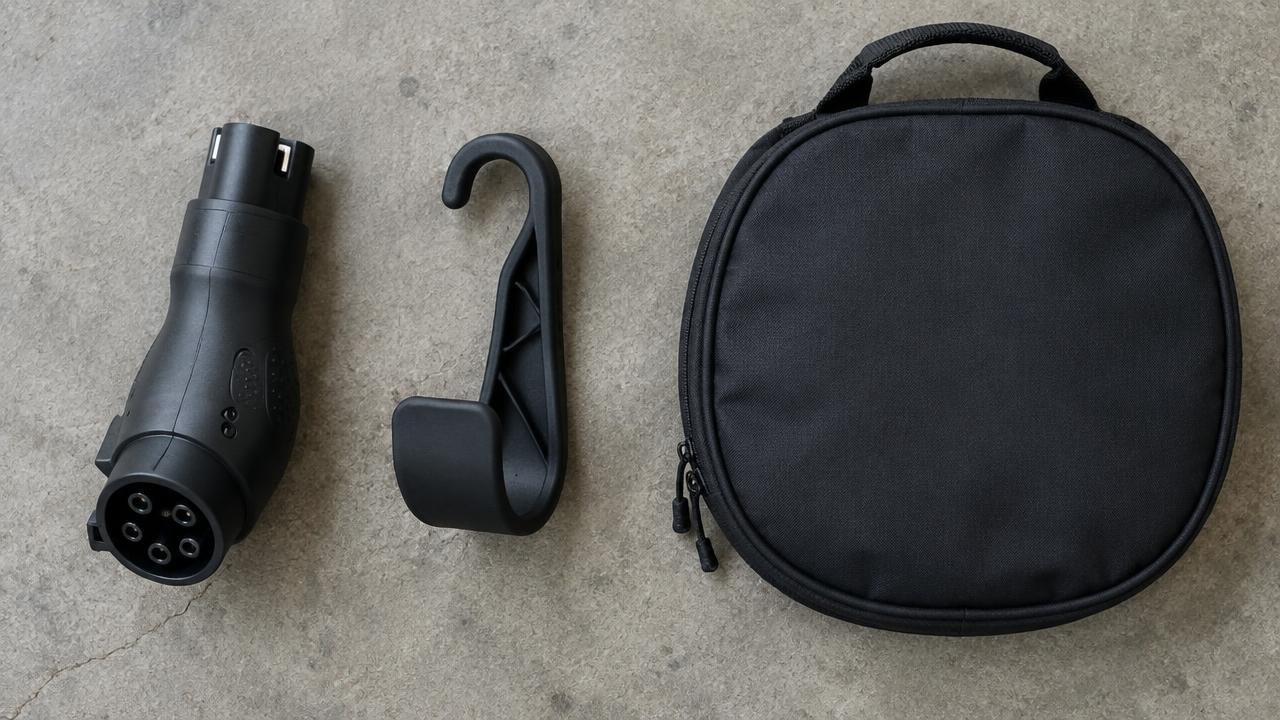
Check what is included in each retail package: mounting hardware, connector holder, cable and any communications equipment. Confirm whether the advertised price refers to a particular connector or plug variant. Promotions can change, so compare current checkout totals rather than prices quoted in an old review.
If a utility incentive influences the choice, verify the exact model on the current eligible list before ordering. A brand being approved does not necessarily mean every product or installation qualifies. Keep the incentive separate from the gross installed price until eligibility is confirmed.
Test the app requirements against your routine
List the features you actually need: recurring schedules, immediate-charge overrides, energy reports, access control or integration with other equipment. Then check which exact product supports them and whether a subscription or additional component is required.
If the vehicle already schedules charging reliably, a charger app may be convenient rather than essential. For two cars or household reporting, charger-side controls may be more valuable. Avoid paying for the same scheduling benefit twice without identifying what the second system adds.
Ask about offline behavior. Stored schedules, basic charging and remote reporting may respond differently when internet access is unavailable. Check Wi-Fi coverage at the mounting location and understand any initial setup requirements before treating connectivity as a minor afterthought.
Cable reach can outweigh a small specification advantage
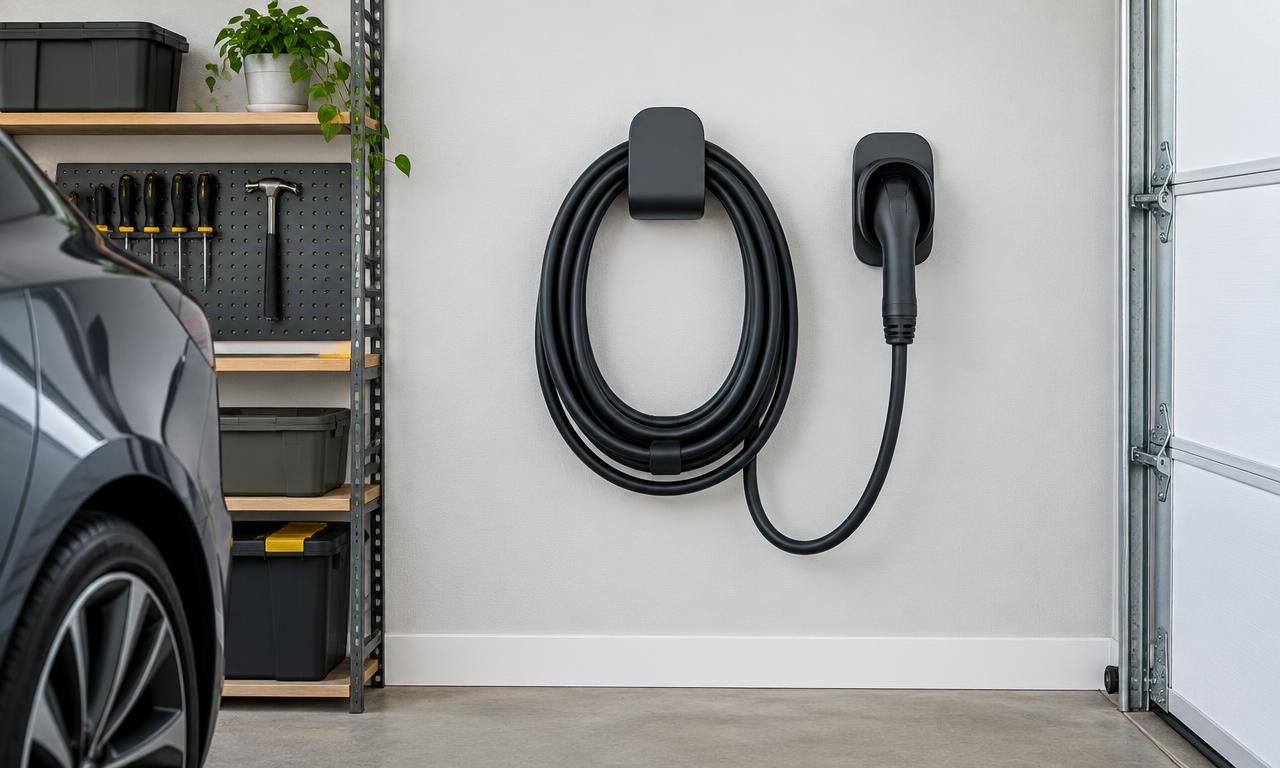
Measure the route to the vehicle's charge port with the car parked normally. Consider a second vehicle, garage storage and where the connector will be returned after use. A cable that reaches comfortably is more useful than a slightly higher output on a unit mounted awkwardly.
Do not plan around an improvised extension to fix a poor location. Select an appropriate cable and mounting arrangement within the manufacturer's guidance. If the cable will cross a walking path, revisit the layout with the installer.
For outdoor use, check the exact model's environmental rating, temperature limits and complete supply arrangement. A product's general reputation for toughness does not replace documentation for the intended conditions. Rain, snow, direct sun and coastal exposure create different questions.
Compare support before you need it
Read warranty terms and the practical service process for each candidate. Ask who handles troubleshooting, whether replacement shipping is covered and whether electrical removal or reinstallation labor is included. A warranty duration alone does not describe the full inconvenience or cost of a failure.
Keep the purchase source in mind. Manufacturer-direct and marketplace purchases can have different return arrangements. Confirm that the seller and product are clearly identified and save the receipt, model number and installation records.
Use owner reviews for specific patterns rather than a universal verdict. Check dates, product variants and whether the complaint concerns hardware, connectivity or installation. A review about another generation should not silently become evidence about the unit you are considering today.
Choose by the problem each option solves
Home Flex may suit someone who values its documented configuration options and connected workflow. Emporia deserves a closer look when its exact Classic or Pro package matches the desired controls. Grizzl-E's distinct simple and connected variants let buyers choose the approach that fits their routine.
None of those observations establishes a universal winner. Eliminate incompatible or unsuitable configurations first, compare complete installed costs second, and then weigh the controls, cable arrangement and support you will live with.
The strongest purchase decision is easy to explain: this exact model works with this car, fits this installation and provides these useful features at this total price. That is a much better basis than choosing whichever brand wins a vague best-charger argument online.
Sources & further reading

Written by
LarryLeoLarryLeo started EV Charging while researching his own next car purchase. He digs into the pros, cons and real cost savings of going electric — using government, standards-body and manufacturer sources — and shares what he finds so other buyers can decide with confidence.
Why trust EV Charging Guide
Our guides are researched from government, standards-body and manufacturer sources, reviewed for accuracy, and updated when rules or products change. Brands cannot pay for placement. Read our editorial policy.