J1772, NACS and Supercharger Adapters: AC vs DC Compatibility
Separate J1772/NACS home AC adapters from approved Supercharger DC adapters and check the exact vehicle and station.
As an Amazon Associate, EV Charging may earn from qualifying purchases. This helps support our independent guides at no extra cost to you. Learn more.
Key takeaways
- AC home adapters and Supercharger DC adapters are not interchangeable.
- Confirm connector direction, charging type and manufacturer approval.
- Verify the vehicle and site in official compatibility tools.
First, separate home AC adapters from Supercharger adapters
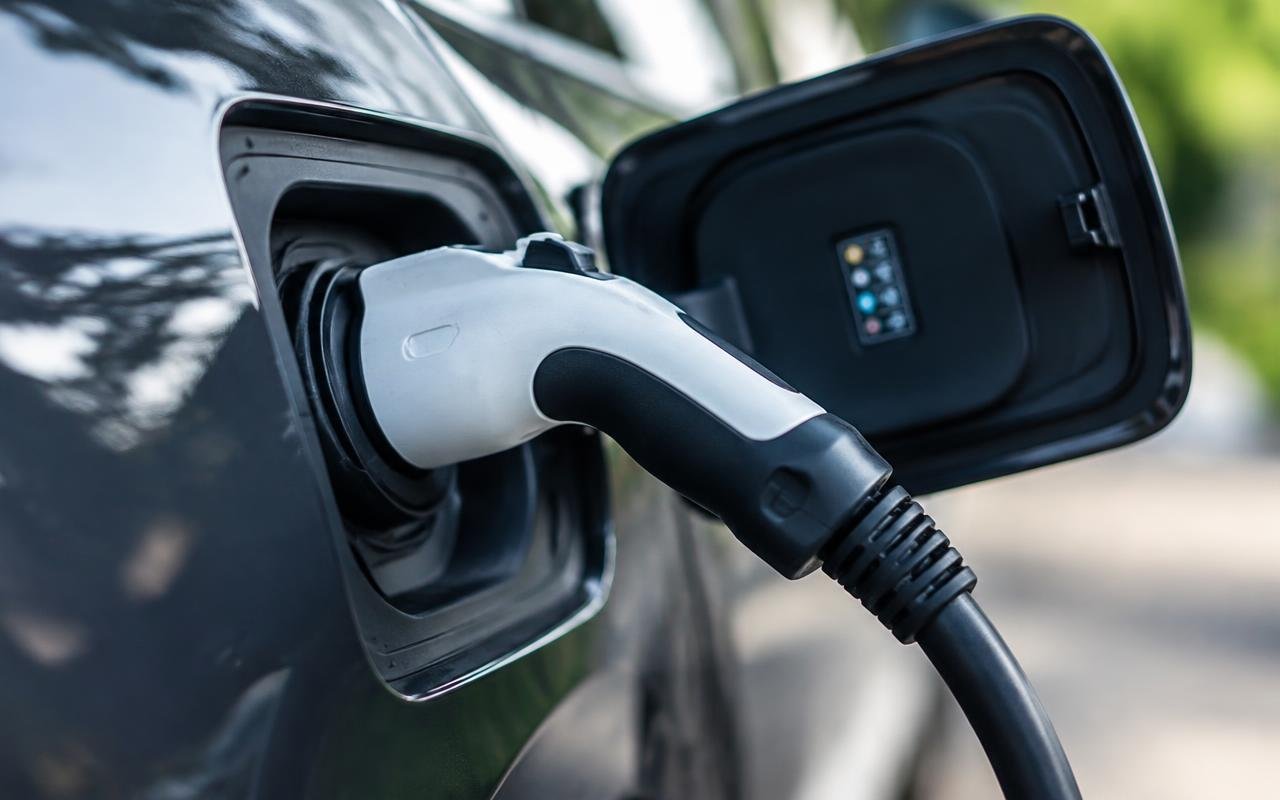
A J1772-to-NACS adapter is not the adapter a CCS1 vehicle uses for Tesla Supercharging. The names are easy to jumble, especially when a shopping listing puts every charging acronym in its title. Start by identifying the source connector, your vehicle's inlet and whether the session uses AC or DC power.
The practical distinction is central: an AC adapter used at a home or destination charger cannot substitute for an approved DC adapter at a Supercharger. This guide is a compatibility checklist, not a claim that we tested every adapter or that physical fit guarantees charging access.
Understand the three common connector families
In North America, J1772 is used for AC charging on many vehicles. CCS1 combines the familiar upper connector arrangement with additional contacts for DC fast charging. NACS, standardized as SAE J3400, can support AC and DC charging with compatible vehicles and equipment.
The connector name does not describe every part of compatibility. A vehicle must support the power type and communication involved, and the network must permit that vehicle to use the site. Some requirements are physical, some are electrical and some concern account authorization.
That is why adapter shopping should begin with the exact vehicle and intended station, not a broad phrase such as Tesla compatible. Ask which direction the adapter works, which charging type it supports and which manufacturer approves the combination.
J1772 to NACS usually describes an AC use case
A driver with a compatible NACS vehicle may use an approved J1772-to-NACS AC adapter at a J1772 home or public Level 2 charger. The adapter allows the intended connector arrangement; it does not turn the station into a DC fast charger.
Charging speed remains limited by the AC supply, station configuration, adapter rating and vehicle's onboard charger. A compact adapter cannot create additional station power. If a listing promises fast charging without specifying AC power and supported limits, look for clearer documentation.
Follow the vehicle and adapter instructions for connecting, disconnecting and storing the equipment. Keep the adapter clean and inspect it for visible damage. If it becomes difficult to latch, shows abnormal heating or reports faults, stop using it and seek manufacturer guidance rather than forcing the connection.
NACS to J1772 is the opposite AC direction
A compatible J1772 vehicle may need an approved NACS-to-J1772 AC arrangement to use certain NACS home or destination charging equipment. That is a different direction from a J1772 source feeding a NACS car. Product names can look almost identical while describing opposite ends of the problem.
Check the exact charging equipment, vehicle approval and current rating. Also check access-control settings where relevant. A home charger configured to allow only particular vehicles may refuse a session even when the connector arrangement is otherwise suitable.
Tesla's Universal Wall Connector provides an integrated adapter for its supported AC use cases. That should not be confused with the equipment used for DC Supercharging. Similar branding does not make the adapters interchangeable.
Supercharging a CCS1 vehicle requires the DC arrangement
For an eligible CCS1 vehicle at a supported NACS Supercharger, follow the vehicle manufacturer's approved DC adapter guidance. Tesla's access instructions specify manufacturer-provided adapters for the relevant non-Tesla access arrangement. Confirm the exact vehicle and site rather than relying on a general announcement about the brand.
Some locations provide an integrated Magic Dock adapter, while others have different access restrictions. Tesla identifies multiple site categories, including Tesla-only locations. The existence of a Supercharger on your route therefore does not establish that your car can use it.
Add the vehicle details to the relevant app or use the official compatibility tools before traveling. Check again when planning an unfamiliar route because network access and site equipment can change. Save a compatible alternate rather than making a newly researched adapter your only contingency.
Native NACS does not eliminate every compatibility check
A vehicle with a native NACS inlet may not need a physical adapter for a matching station, but you still need to verify that the vehicle and site support the intended session. The connector is only one part of the system.
Follow the automaker's instructions for supported networks, account setup and charging initiation. Do not assume that advice for another model year or trim applies unchanged. Manufacturer transitions can produce different inlet and charging arrangements within a familiar vehicle name.
Check the expected charging performance too. A station's peak power does not guarantee the same result for every vehicle. Battery temperature, state of charge and electrical architecture affect the session, even when compatibility is fully established.
Read an adapter listing like a specification
Look for a clear model number, manufacturer, supported direction, AC or DC designation, voltage and current ratings, and a compatibility statement for the intended use. Confirm any approval requirements with the vehicle maker. A collection of logos is not a substitute for a documented supported combination.
Check whether the product is sold by an authorized or otherwise clearly identified source and whether support and warranty terms are accessible. Avoid relying solely on marketplace reviews, which may mix variants or describe older products. Save the documentation for the exact item you buy.
Do not stack adapters or use extensions unless the relevant manufacturers explicitly support the complete arrangement. More pieces do not make an unsupported connection more compatible. They usually make it harder to identify which part is limiting or failing.
Plan the first session before relying on it
Set up the required account and payment method before a trip. Confirm the correct station and initiation method, and keep the adapter instructions available. A first attempt is much easier when you have adequate battery reserve and time to resolve an ordinary setup issue.
At the station, inspect for obvious damage and follow the supported connection sequence. Confirm that charging has actually started before leaving the car. A connected cable and an app loading screen are not proof that energy is flowing.
If the session fails, use the displayed fault information and operator support. Do not repeatedly force the connector, defeat a latch or improvise a workaround. Move to a known compatible alternative when needed, keeping enough reserve to do so safely.
Cable reach and parking still matter
An adapter does not change where the vehicle's charge port is located or how long the station cable is. Check the layout and park according to the site's instructions. Avoid obstructing adjacent stalls or stretching a cable across a traffic path.
If you tow, look for information about trailer access before arrival. A compatible electrical connection can still be awkward in a layout designed for a different parking orientation. Site photographs can help, but current access rules and markings remain important.
Store the adapter securely when not in use, following its environmental guidance. Keeping it available in the car is useful only if it remains undamaged and easy to find. The glove-box archaeology expedition is less charming when other drivers are waiting.
Use a four-part compatibility check
Before buying or traveling, confirm the vehicle inlet, source connector, charging type and manufacturer-approved access arrangement. Then verify the exact station in official tools. Those checks prevent the most common mistake: assuming two connector names describe a complete charging solution.
For home and destination AC charging, select the approved AC direction and ratings. For Supercharging a CCS1 vehicle, use the supported DC arrangement at an eligible site. Keep those two decisions separate even when both products use the word NACS.
A good adapter expands a supported charging option; it does not override the car, station or network. Once the combination is verified, the routine should be straightforward. Until then, a clear compatibility statement is worth far more than an enthusiastic claim that one small accessory works everywhere.
Sources & further reading

Written by
LarryLeoLarryLeo started EV Charging while researching his own next car purchase. He digs into the pros, cons and real cost savings of going electric — using government, standards-body and manufacturer sources — and shares what he finds so other buyers can decide with confidence.
Why trust EV Charging Guide
Our guides are researched from government, standards-body and manufacturer sources, reviewed for accuracy, and updated when rules or products change. Brands cannot pay for placement. Read our editorial policy.
Related Posts
What EV Charger Cable Length Do You Need? 16 ft vs 25 ft
EV Charger Installation Rebates: How to Find Utility and State Incentives