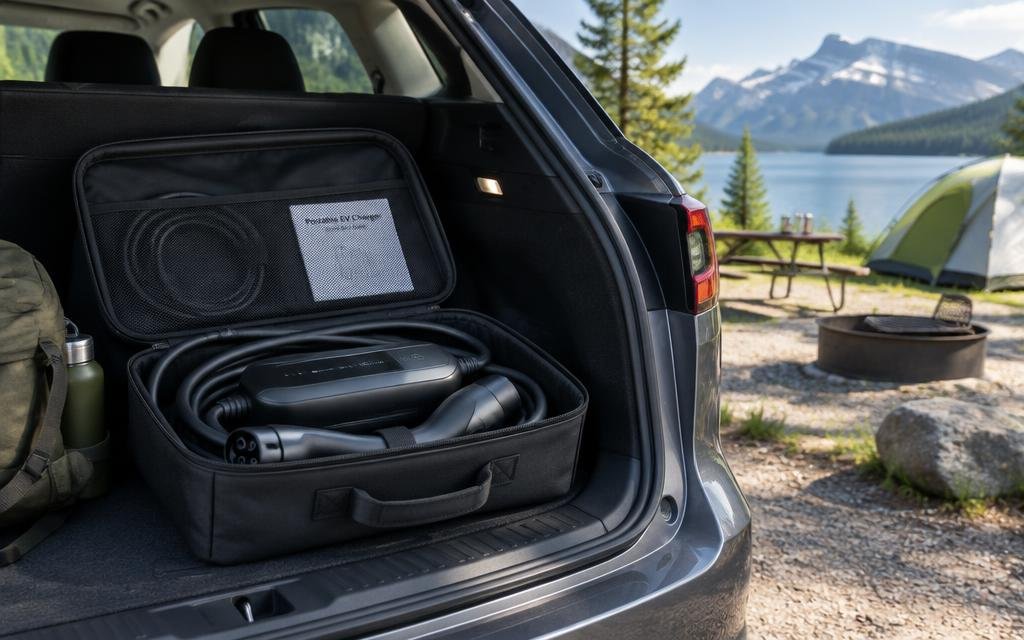
Level 1 vs Level 2 Charging: Do You Need a Level 2 Charger for Your Commute?
Level 1 charging from a standard outlet works for some drivers. Here's how to tell whether you'll be happy with it — or need to upgrade.
As an Amazon Associate, EV Charging may earn from qualifying purchases. This helps support our independent guides at no extra cost to you. Learn more.
Key takeaways
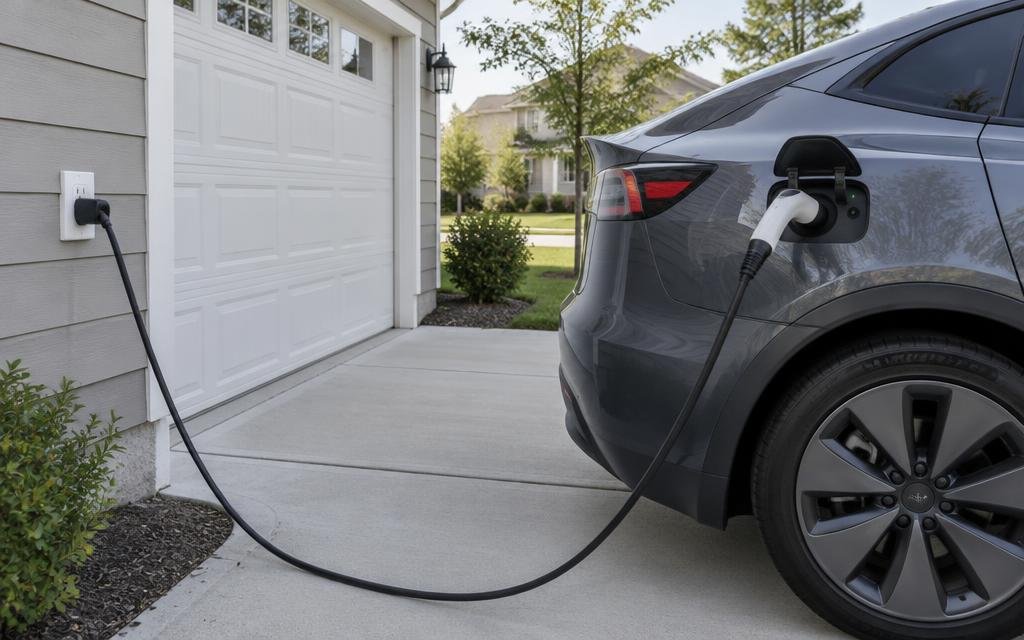
- Level 1 adds a few miles of range per hour; Level 2 adds roughly 10× more.
- Short commuters with long overnight parking may be fine on Level 1.
- Cold climates and large vehicles favor Level 2.
How the speeds compare
According to the U.S. Department of Energy, Level 1 (120V) charging typically adds about 2–5 miles of range per hour, while Level 2 (240V) adds roughly 10–20+ miles per hour depending on power and vehicle.
Shop this guide
Compare current options and prices
When Level 1 is enough
If you drive under about 30–40 miles a day and park for 10+ hours overnight, Level 1 can keep up. It's also the cheapest option — most EVs include a Level 1 cord.
When to upgrade
Longer commutes, multiple EVs, winter range loss, trucks and SUVs, or the desire to start each day full all point to Level 2.
Sources & further reading

Written by
LarryLeoLarryLeo started EV Charging while researching his own next car purchase. He digs into the pros, cons and real cost savings of going electric — using government, standards-body and manufacturer sources — and shares what he finds so other buyers can decide with confidence.
Why trust EV Charging Guide
Our guides are researched from government, standards-body and manufacturer sources, reviewed for accuracy, and updated when rules or products change. Brands cannot pay for placement. Read our editorial policy.
Related Posts
Best Level 2 EV Charger for Home in 2026: How to Choose the Right One
Best EV Charger for Tesla Model Y at Home: NACS vs J1772 Explained