A dead electric vehicle during a power outage is a strange kind of inconvenience. The lights are off, the refrigerator is complaining, and your car is sitting outside with the battery percentage of a nervous house cat.
If you need to charge EV power outage conditions make impossible, don’t improvise with random cables or a portable generator from the garage. You have safer options, but each one depends on your home’s wiring, the vehicle’s charging system, and the equipment available.
The short version is simple: use a properly installed generator, home battery, bidirectional EV system, or working public charger to supply emergency power. Here’s how to choose without turning a bad afternoon into an electrical emergency.
Key Takeaways
- A portable generator should never connect to your home or EV charger without compatible equipment and a proper transfer setup.
- Level 1 charging uses less backup power than Level 2, but it adds range slowly.
- Solar panels and solar-plus-battery systems can power an EV charger during an outage if the system is designed for that load.
- V2H and V2L are different. One can support home circuits, while the other usually powers appliances through outlets or adapters.
- Before a storm, keep more charge in the battery and identify public chargers outside the affected area.
Can You Charge an EV During a Power Outage?
Yes, but not through the normal power grid. When the grid goes down, your wall charger loses power unless another source feeds the home’s electrical system.
That backup power source might be a standby generator, a solar battery, or another EV with power-export capability. Public charging stations may also work if they have utility power, battery storage, or a microgrid. But don’t assume every charger nearby is alive. A station can have a full parking lot and zero electricity, which is a particularly unhelpful combination.
Your EV charger also has to receive the correct voltage and frequency. Most Level 1 charging uses a standard 120-volt outlet. Level 2 charging typically uses 208 or 240 volts and draws much more electricity.
That difference matters during an outage. A generator that can run a few lights may not handle a Level 2 charger. A home battery that powers your refrigerator for two days may empty quickly when asked to charge an EV battery, especially since limited battery capacity changes how you manage household energy.
A backup system must power the charger and the rest of the connected circuit. The car’s battery size isn’t the only number that matters.
Before connecting anything, check the vehicle manual, EVSE instructions, generator specifications, and local electrical requirements. If the setup involves a panel, inlet, transfer switch, or permanent wiring, use a licensed electrician.
How to Charge EV Power Outage Safely at Home
The safest method to charge at home during an emergency is a backup power system installed before the outage. That system should connect to selected home circuits through approved transfer equipment. It should not send electricity backward through a household outlet.
Here is the basic process:
- Confirm the outage and check equipment status. Make sure the issue isn’t a tripped breaker, failed charger, or damaged cable. Look for utility alerts before starting backup equipment, and verify that your electricity is safely isolated from the main grid.
- Turn off unnecessary loads. Electric water heaters, ovens, dryers, well pumps, and air conditioners can consume the available capacity of your generator quickly.
- Start the approved backup source. Follow the home generator manufacturer’s instructions carefully. Never place a fuel-burning generator inside a home, garage, shed, or covered patio.
- Choose the lowest useful charging level. Level 1 may work when Level 2 would overload the system. Reduce the amperage in the vehicle or charger settings if that option is available.
- Monitor the system while charging. Watch for overheating, fault codes, unusual smells, flickering lights, or a generator that struggles under load.
- Stop before the backup source is depleted. You may need that stored energy for heating, medical equipment, refrigeration, or communication.
A common guideline is around 10 kilowatts of generator capacity for supporting an EV charger, especially a Level 2 unit. That isn’t a universal sizing rule. The actual requirement depends on the charger’s maximum current and every other circuit connected to the generator.
A 120-volt Level 1 connection is far less demanding. It may add only a few miles of range per hour, but that can be enough to reach a functioning charger. Slow charging is still charging. During an outage, nobody gets extra points for speed.
Four Backup Options for Charging an EV
The best choice depends on what you already own. Buying a complete backup system after the storm arrives is not a plan. It is shopping under pressure, with everyone else trying to buy the same generator.
1. Standby or portable generator
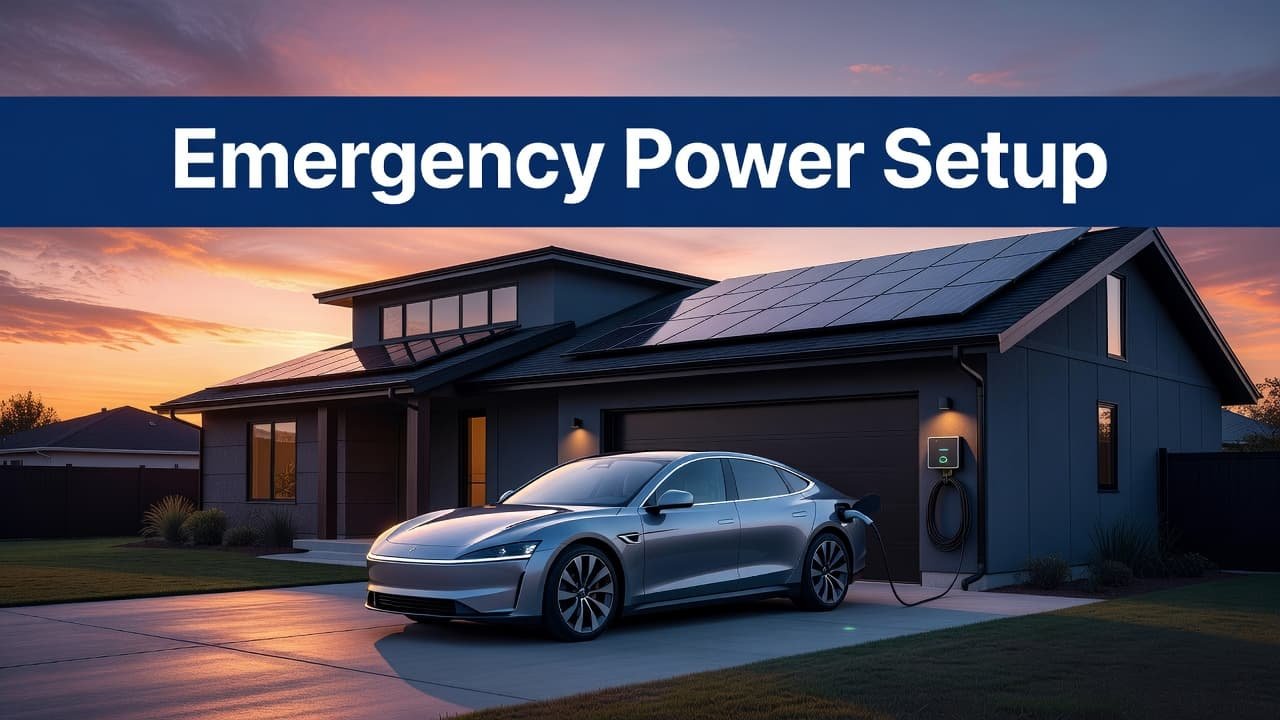
A permanently installed standby generator can feed selected household circuits, including an EV charger, when paired with the correct transfer switch and wiring. A portable generator may also support Level 1 charging, but only through a compatible, manufacturer-approved arrangement.
Do not plug a generator into a wall outlet and hope the house figures it out. That can backfeed the utility lines, damage equipment, and injure utility workers restoring power.
Generator output also varies. Some models produce power that sensitive electronics don’t tolerate well, while inverter generators generally provide cleaner output. The EVSE, vehicle, and generator must be compatible. An electrician can confirm that before an outage turns the driveway into a testing laboratory.
Fuel is another limitation. A generator may charge the vehicle, but it also burns fuel while running. If the outage lasts several days, use charging sessions carefully and preserve fuel for essential home loads.
2. Solar panels with a home battery
A solar array alone usually won’t keep an EV charger running through an outage. Most grid-tied solar systems shut off when the grid fails unless they include properly configured backup equipment.
A solar-plus-battery system can isolate the home from the utility and supply selected circuits. Products such as Tesla Powerwall, LG Chem RESU systems, and Generac PWRcell are examples of battery energy storage used for backup applications. Their ability to charge an EV depends on system size, inverter capacity, wiring, and the vehicle charger.
This is the cleanest home option for many owners, but it isn’t magic. Charging a large EV battery can consume a substantial portion of the home’s stored energy. You may need to disable the charger or set a low current limit when the battery reserve reaches a certain level.
3. Vehicle-to-home and vehicle-to-load power
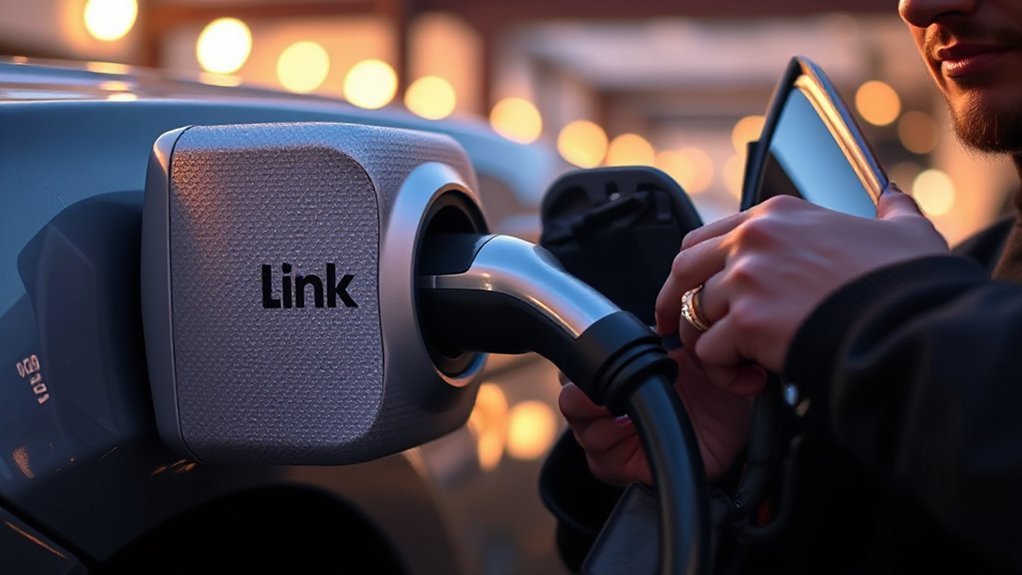
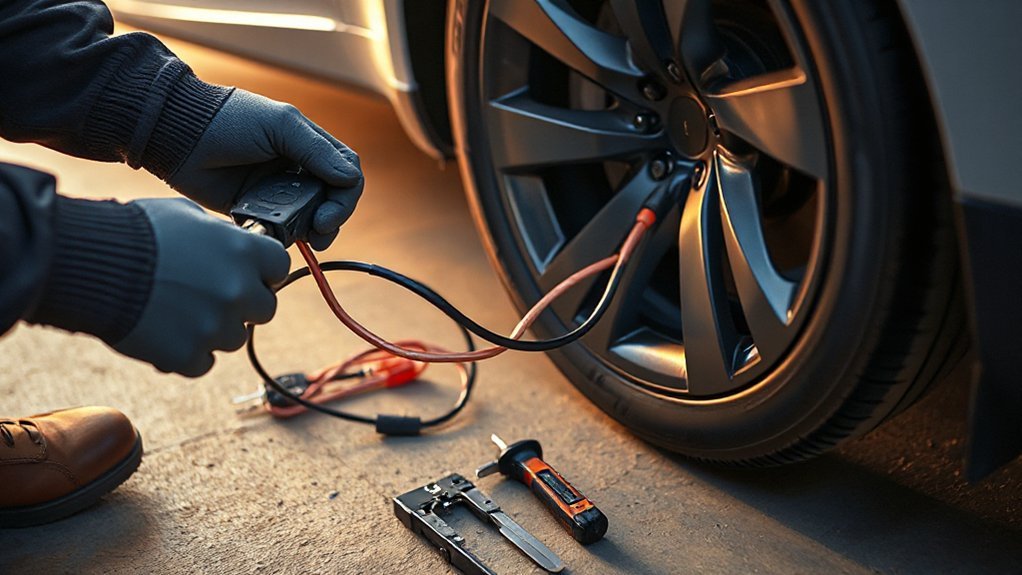
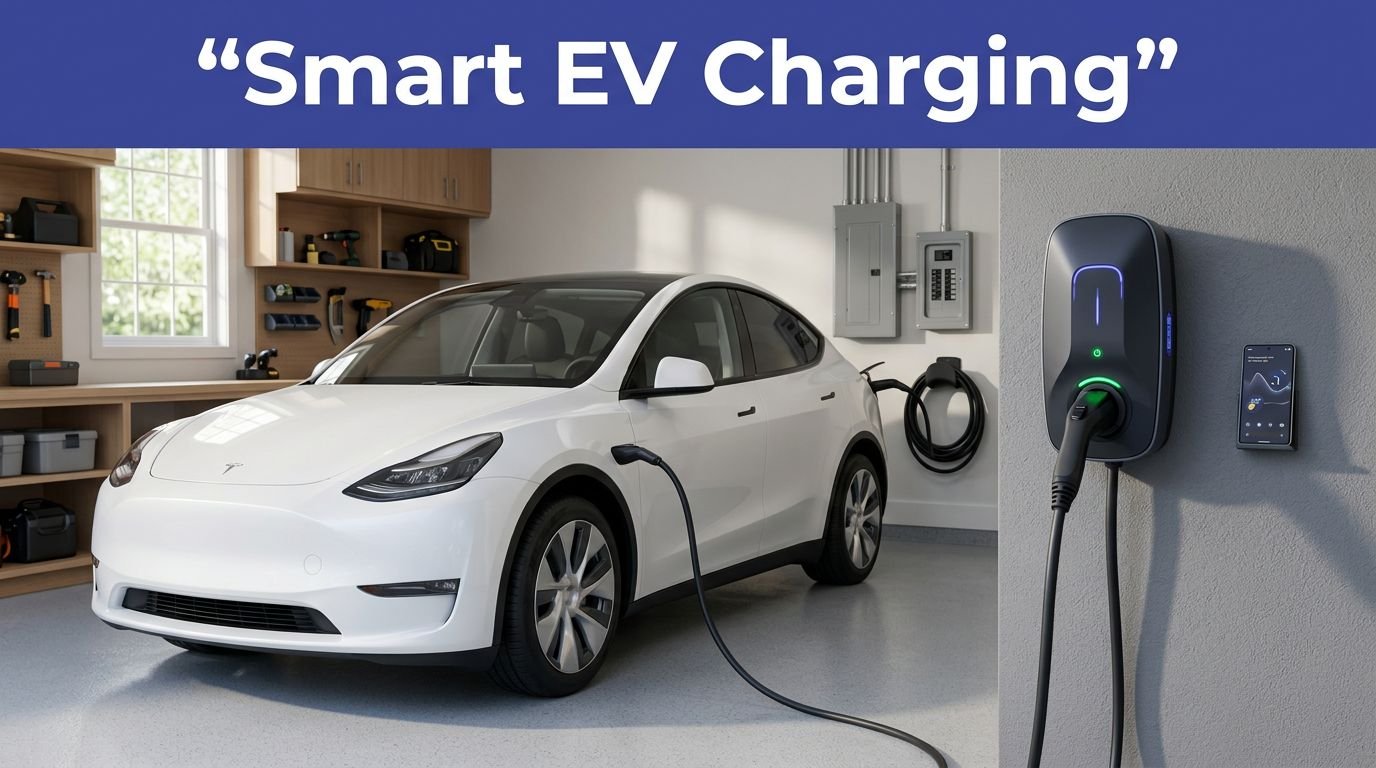
Some EVs can send energy out of their traction battery. The feature may be called vehicle-to-home, vehicle-to-load, or V2H and V2L.
V2H connects a compatible EV to a bidirectional charger and home transfer equipment. The vehicle can then supply selected household circuits during an outage. General Motors describes its vehicle-to-home backup system as a setup that uses a compatible GM EV, bidirectional charging equipment, and home integration hardware.
V2L is different. It usually provides power through an onboard outlet or an adapter. Owners of vehicles such as the Ford F-150 Lightning, Hyundai Ioniq 5, Kia EV9, and Nissan Leaf may have some form of power-export capability, but the exact output and required equipment vary by model and market.
V2L can run a refrigerator, lights, a modem, or selected tools. It usually can’t charge the same EV unless the vehicle and equipment specifically support that arrangement. Check the wattage limit, keep cords dry, and never connect exported power to a home panel without approved transfer equipment.
The battery also isn’t bottomless. Set a reserve so you can still drive when the power returns or when you need to leave.
4. A public charging station
Sometimes the smartest answer is to leave the house. Public DC fast chargers can restore useful range quickly, provided they have power and are outside the affected area.
Before driving there, check the station’s live status in the network app and confirm the road is open. A charger 15 miles away is not useful if the route crosses a flooded road or the station sits inside the outage zone.
Keep a few backup locations within roughly 25 to 50 miles when possible. Include both DC fast chargers and public Level 2 sites. A slower station may be available when the popular fast-charging site has a queue around the block.
Local utilities and emergency agencies sometimes deploy mobile or solar-backed charging infrastructure after major storms. The availability changes by location, so check county emergency alerts, utility websites, and charging-network updates.
What You Should Never Do
The most dangerous outage-charging mistake is backfeeding. That happens when someone connects a generator or exported vehicle power to a home circuit without a transfer switch, which allows electricity to travel onto lines workers believe are de-energized.
Never run a gasoline or propane generator indoors during severe weather or natural disasters. Carbon monoxide has no smell, and opening a garage door doesn’t make indoor operation safe. Keep the generator outdoors, well away from windows, doors, and vents.
Unlike traditional fossil fuel vehicles that depend on standard gas stations, EVs require careful planning during prolonged blackouts. Don’t use damaged extension cords, wet connectors, makeshift adapters, or undersized cables. Avoid charging in standing water, even if the vehicle itself is designed to handle rain.
Don’t assume a generator’s advertised wattage equals its continuous output. Motors and compressors can demand extra power when they start. If the generator is already close to its limit, the EV charger may trip or the generator may shut down.
Finally, don’t let a power outage push you into bypassing the vehicle’s safety systems. The EVSE exists to manage current, confirm grounding, and stop charging when conditions are unsafe. Treat it like safety equipment, not an annoying middleman.
Prepare Before the Lights Go Out
Outage preparation is mostly boring, which is why it works. Keep the EV around 70% to 80% charge when severe weather is forecast, rather than waiting until the battery reaches 20% and the storm is already arriving.
Know your vehicle’s emergency features and whether it can supply emergency power to your home or devices. Find out whether it supports V2L, V2H, or neither. Check the maximum export wattage, adapter requirements, and battery reserve settings. If you have a home battery, confirm whether the charger is connected to a backed-up circuit.
Ask an electrician to review these details:
- Whether the main panel has a transfer switch or interlock
- Which circuits the generator or battery can support
- Whether a bidirectional inverter is compatible with your current setup
- Whether the EV charger can operate on backup power
- The continuous and peak output required
- Local permits, grounding rules, and inspection requirements
Save several nearby public charging locations in your phone. Include stations in neighboring towns, not only the one beside your usual coffee shop. Download charging apps and keep account payment methods current before an emergency.
For people in areas with frequent, long outages, a plug in hybrid may also fit their needs better than a fully electric vehicle. That isn’t an argument against EVs. It is a practical response to local infrastructure and household priorities.
Frequently Asked Questions
Can I plug my EV charger directly into a standard portable generator?
Generally, no. Standard portable generators lack the clean power, proper grounding, and capacity needed for most EV chargers unless used with a compatible Level 1 setup and proper safety equipment.
Will a normal solar panel system power my EV during a blackout?
Most grid-tied solar systems automatically shut down when the power grid fails for safety reasons. To charge your EV during an outage, your solar setup must include a home battery and a specially configured backup system.
What is the difference between V2H and V2L?
Vehicle-to-Home (V2H) allows your EV to supply power back to your house circuits through a bidirectional charger. Vehicle-to-Load (V2L) usually provides power through onboard outlets or adapters to run individual appliances or tools rather than charging the vehicle itself.
Conclusion
You can charge an EV during a power outage, but the safe method depends on the backup source. A properly connected generator, solar battery, bidirectional home system, or working public charger can keep you mobile without putting your home or utility workers at risk.
Finding a reliable way to charge EV power outage situations sounds like a quick search for a cable trick. It isn’t. The real answer is a combination of compatible equipment, reduced electrical demand, careful battery planning, and a backup route before the weather gets ugly.
Keep more range in the battery, learn what your EV can export, and never backfeed a home circuit. When the lights go out, preparation with reliable backup power beats improvisation every time.
This post may contain affiliate links. If you make a purchase through these links, I may earn a small commission at no extra cost to you.