Your EV can be cheap to fuel, or weirdly expensive, depending on when you plug it in. Time-of-use EV charging moves that decision away from whenever you get home and toward the hours when energy costs are much lower.
That usually means charging overnight, during midday solar-heavy hours, or on weekends. Proper EV home charging does the same job either way, but your utility bill simply stops treating every kilowatt-hour like it arrived wearing a tuxedo.
Key Takeaways
- Time-of-use rates charge different prices during peak hours, off-peak hours, and sometimes super off-peak hours.
- The biggest savings come from shifting routine home charging away from late-afternoon and evening demand.
- Your utility’s rate schedule matters more than the brand of Level 2 charger you install for your electric vehicle.
- Smart charging works best when the vehicle, charger, and utility schedule agree.
- Compare the full electricity plan, including fees and non-EV household usage, before switching.
How Time-of-Use EV Charging Works
A standard residential rate usually charges a single standard rate for each kilowatt-hour, regardless of the hour. A time-of-use plan splits the day into pricing periods because overall electricity demand changes throughout the day.
Peak hours are expensive because more people are using power. Think dinner, air conditioning, television, laundry, and every other appliance that suddenly becomes essential at 6:30 p.m. Off-peak hours cost less because demand is lower. Some utilities add super-peak hours or a super off-peak period with an even cheaper rate.
The schedule isn’t universal. Your utility, state, season, weekday, and plan all matter. A plan may call midnight through early morning off-peak. Another may offer its lowest price during late morning or early afternoon.
PG&E, a major electric utility, lists its lowest rates from 12 midnight to 3 p.m. every day on its Home Charging EV2-A plan. Its peak period runs from 4 p.m. to 9 p.m. You can see the current schedule on PG&E’s EV rate plans page.
The important detail is that a time-of-use plan changes the price of electricity, not the charging speed. A 7.2-kilowatt level 2 charger still draws about 7.2 kilowatts when the vehicle accepts the full output. The difference is what each kilowatt-hour costs at 2 a.m. compared with 7 p.m.
That makes the schedule a control knob. Turn it the right way, and your regular commute becomes cheaper without buying new hardware.
How Much Can Off-Peak EV Charging Save?
The cleanest way to estimate savings is to calculate the energy costs for your electric vehicle, then multiply it by two electricity rates.
Suppose you drive 1,000 miles each month in an EV that averages 3.5 miles per kilowatt-hour. The vehicle needs about 286 kilowatt-hours for those miles before charging losses. At 20 cents per kilowatt-hour, the energy costs about $57. At 10 cents, it costs about $29.
That is roughly $28 saved in one month, or about $336 over a year. Your actual number may be higher or lower because efficiency changes with speed, temperature, terrain, tire pressure, and cabin heating.
A broader example looks similar. Driving 12,000 miles per year at 3.5 miles per kilowatt-hour requires about 3,429 kilowatt-hours. At 19.32 cents per kilowatt-hour, the rate cited in Kelley’s Blue Book’s EV charging cost guide, that energy costs about $662 annually. At 10 cents per kilowatt-hour, it costs about $343. The difference is approximately $319 before fixed charges and other plan changes.
The rate gap can be dramatic. PECO’s reported EV time-of-use structure has included an on-peak rate of 32 cents per kilowatt-hour, an off-peak rate of 7.6 cents, and a super off-peak rate of 5.3 cents during off-peak hours. Rates and enrollment rules can change, so check the utility before doing your own math.
| Charging period | Example price | Cost for 50 kWh |
|---|---|---|
| Peak | $0.32/kWh | $16.00 |
| Off-peak | $0.076/kWh | $3.80 |
| Super off-peak | $0.053/kWh | $2.65 |
The takeaway is blunt. If your car needs 50 kilowatt-hours, charging during the expensive window can cost several times more than charging overnight.
The Rate Plan Matters More Than the Charger
People often compare 32-amp and 48-amp home options for an EV charger as if the faster unit automatically lowers the bill. It doesn’t. A faster charger can finish earlier, but it doesn’t make electricity cheaper.
For cost control, focus first on the utility plan. Look for:
- The exact peak and off-peak hours
- Seasonal schedule changes
- Weekday and weekend differences
- Delivery charges, the cost of electricity supply, taxes, and fixed fees
- Enrollment requirements for a connected charger or EV telematics
- Limits on how much charging qualifies for the special rate
Some plans offer a low overnight rate but charge more during the rest of the day. That can help a household with predictable EV charging, yet hurt a home that uses lots of electricity at dinner or runs air conditioning through the afternoon.
Grab your last 12 months of electric bills if you can. Estimate your total household use, not only the car. A plan that saves $25 on EV charging can still raise the bill if your other appliances move into a more expensive period, or if unexpected demand charging rules apply to your usage peak.
This is where the fine print earns its paycheck. A plan advertised as “EV-friendly” may require a separate meter, utility-controlled managed chargers, or permission to manage charging events. Another plan may use whole-home time-of-use pricing, which affects every appliance.

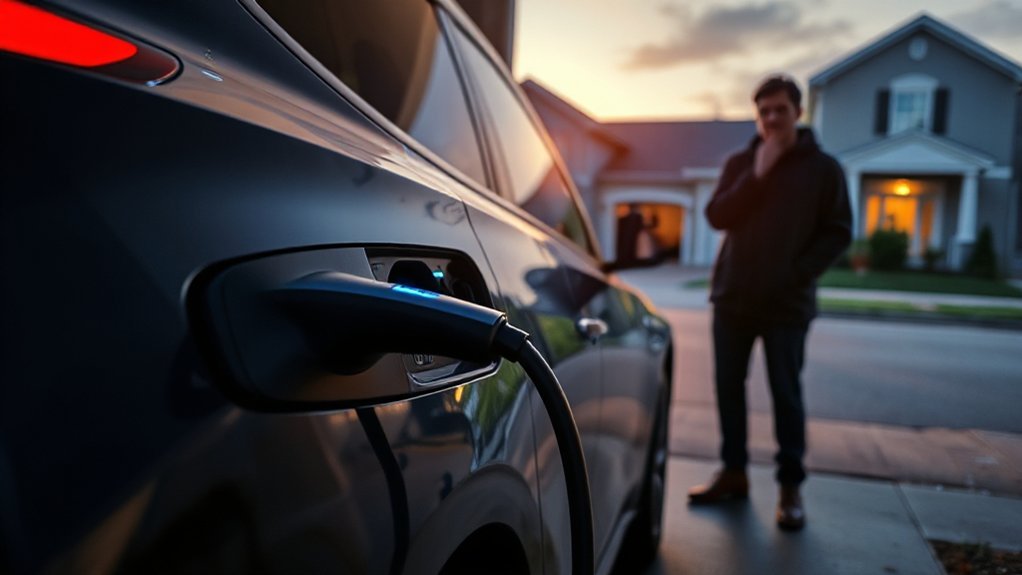
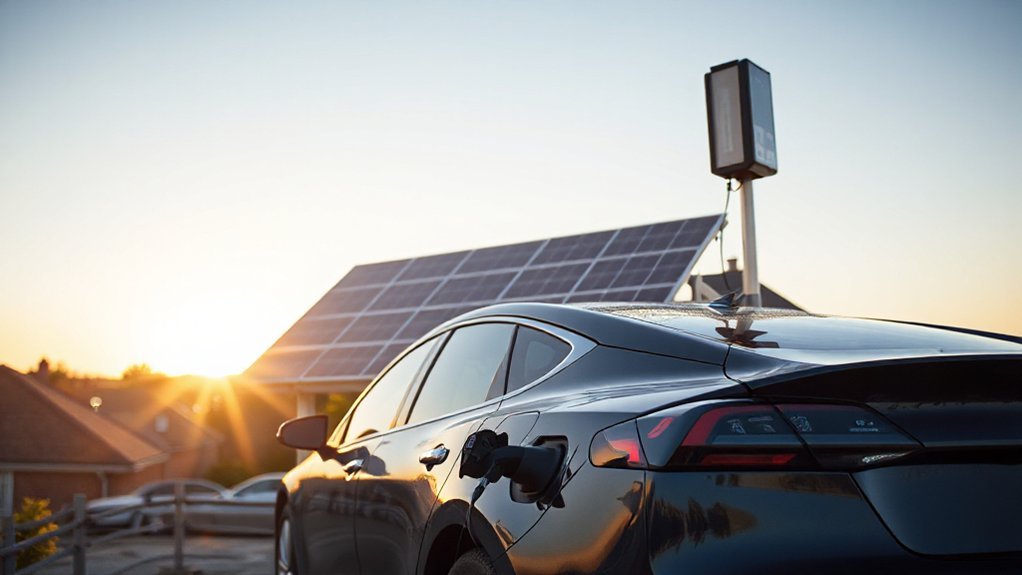
A utility calculator can help, but don’t treat the result as a prophecy carved into a stone tablet. Test it against your real driving and household habits.
Set the Car to Charge When Rates Are Low
Once you choose the right plan, the practical job is simple: stop the car from charging during peak hours.
Most EVs let you set a departure time or a charging schedule through the vehicle touchscreen, mobile app, or charge management software. Many Level 2 chargers offer the same feature, which helps you easily control your charging time. Use one system as the main schedule. If both the car and charger have conflicting rules, they can sit in the driveway having a tiny software argument while the battery stays at 42 percent.
A good setup usually looks like this:
- Set the vehicle to finish charging shortly before you leave.
- Enter your utility’s off-peak window as the allowed charging period.
- Set a daily charge limit that matches your routine and battery capacity.
- Check the schedule after daylight-saving changes or a software update.
- Review the first electric bill to confirm the timing worked.
A 60 percent charge may be enough for a normal commute. Charging to 100 percent every night isn’t necessary for most daily driving, and some automakers recommend limiting full charges on batteries with specific chemistries. Follow the vehicle manufacturer’s guidance rather than copying a stranger’s setting from an online forum.
Smart charging adds another option. A connected smart charge feature or utility program can delay charging automatically when demand rises. Some programs also offer bill credits for allowing limited control over charging. WeaveGrid’s EV charging savings program reports that typical participating customers save an average of $120 per year on a BGE electric bill by charging during lower-demand periods.
That figure is program-specific, not a guarantee. Still, it shows why utilities pay attention to charging behavior. Thousands of cars starting at once can create a new demand spike. Thousands of cars waiting until later can spread that load across quieter hours.
Watch for the Time-of-Use Charging Gotchas
The first gotcha is assuming “night” always means cheap. Some utilities use overnight off-peak pricing. Others make midday the cheapest period because renewable energy generation from solar is high. A few have different schedules in summer and winter.
The second is charging during the wrong peak window because the vehicle arrived home with a low battery. If the car begins charging at 6 p.m. and stops at 7 p.m., that single hour may erase much of the savings from the rest of the month. Set a delayed start instead of relying on memory. Memory is excellent for song lyrics and terrible for utility tariffs.
The third is ignoring charging losses. The energy recorded by the utility meter is higher than the energy stored in the battery. Heat, conversion, and overall home energy consumption account for the difference. Your estimate should include a modest cushion rather than treating the battery’s displayed kilowatt-hours as the whole bill.
Solar households need another calculation. Midday charging may use excess solar power, but exporting that energy to the grid could earn a credit under the home’s net-metering or export plan. Overnight charging may be cheaper from the grid, or it may be less attractive if the home battery can cover that period. Compare the value of solar energy at each hour.
Finally, don’t switch plans based on the EV alone. Add the annual charging load for your electric vehicle to your household’s existing use. Then compare the full annual bill under both plans, including fees and every pricing period, while also considering how shifting your routine reduces strain on the local power grid.
An empirical study published in Energy Policy examined in-home EV charging behavior under different electricity pricing plans. Its findings support the basic idea behind TOU pricing: price signals can change when drivers charge, which changes the load placed on the grid. You can review the research in the study on in-home EV charging and time-of-use pricing.
When Time-of-Use Rates Are Worth It
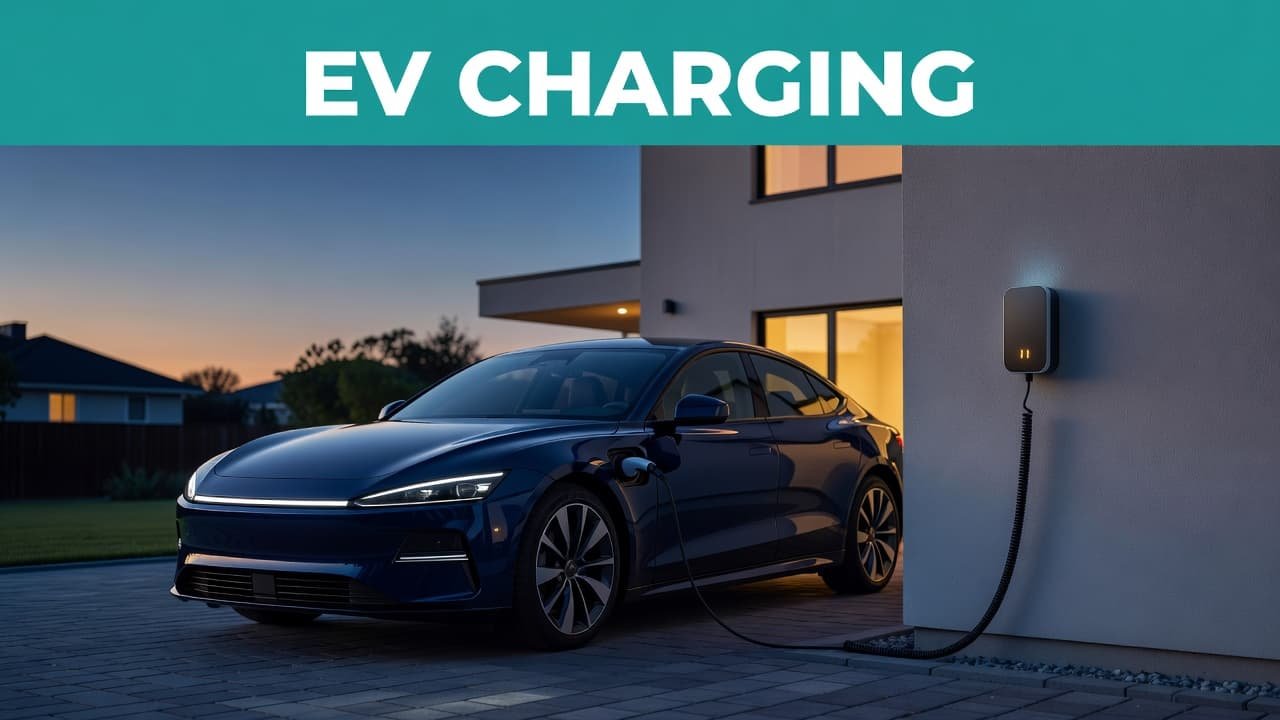
TOU pricing tends to work well when you have a driveway, a predictable routine, and enough time for the car to charge before the next trip. Routine EV home charging makes that easier because the vehicle can recover a useful amount of range during a long off-peak window.
The savings are less certain when you regularly need immediate charging after work, drive long distances late in the day, or cannot control when the vehicle plugs in. Relying frequently on a public DC fast charger can also interrupt the calculation. It is convenient for road trips, but it usually costs more than routine home charging.
A plug-in hybrid may benefit too, although its smaller battery can make the dollar savings modest. Households with two EVs may see a larger benefit because more charging energy passes through the meter each month. They also need to watch the total load, especially if both vehicles charge at the same time.
The best plan is the one that matches your actual life. Not the imaginary version where every car charges at 2 a.m., nobody needs an unexpected trip, and the thermostat has achieved inner peace.
Frequently Asked Questions
What is time-of-use EV charging?
Time-of-use EV charging is a pricing structure where your utility charges different rates for electricity depending on the time of day. By shifting your vehicle charging to off-peak hours, you can significantly reduce your fueling costs.
Does the brand of my charger affect time-of-use savings?
No, the brand of your Level 2 charger does not change electricity prices. Savings come from your utility’s rate schedule rather than the specific hardware you install at home.
How do I prevent my car from charging during peak hours?
Most electric vehicles and smart home chargers let you set a customized charging schedule or departure timer. Setting your car to charge only during the utility’s off-peak window ensures you avoid expensive peak rates.
Conclusion
Time-of-use EV charging cuts home charging costs by moving energy use into cheaper off-peak hours. The charger itself doesn’t create the savings. The rate schedule does.
Check your utility’s peak periods, calculate your vehicle’s annual kilowatt-hour use, and include the rest of the household bill before switching plans. Once the schedule fits your routine, delayed charging can lower your overall energy costs and turn the most expensive part of the day into the part your EV politely ignores.
This post may contain affiliate links. If you make a purchase through these links, I may earn a small commission at no extra cost to you.