A charging cable can turn a two-car garage into an obstacle course in about twelve seconds. The best EV charging cable organizers keep the cord off the floor, protect the connector, and give your parking space back without demanding half the wall.
Small garages need a different solution than roomy workshops. You’re choosing between a compact wall hook, a retractable reel, or an overhead pulley while trying not to drill into something expensive. Here’s how to pick the right setup, plus the products and features that make sense when every inch matters.
This post may contain affiliate links. If you make a purchase through these links, I may earn a small commission at no extra cost to you.
How the best EV charging cable organizers save space
The right organizer does more than make the garage look less chaotic. It controls the cable’s bend radius, keeps the connector away from moisture and dirt, and prevents the cord from sitting where your tires, shoes, or garage door can find it.
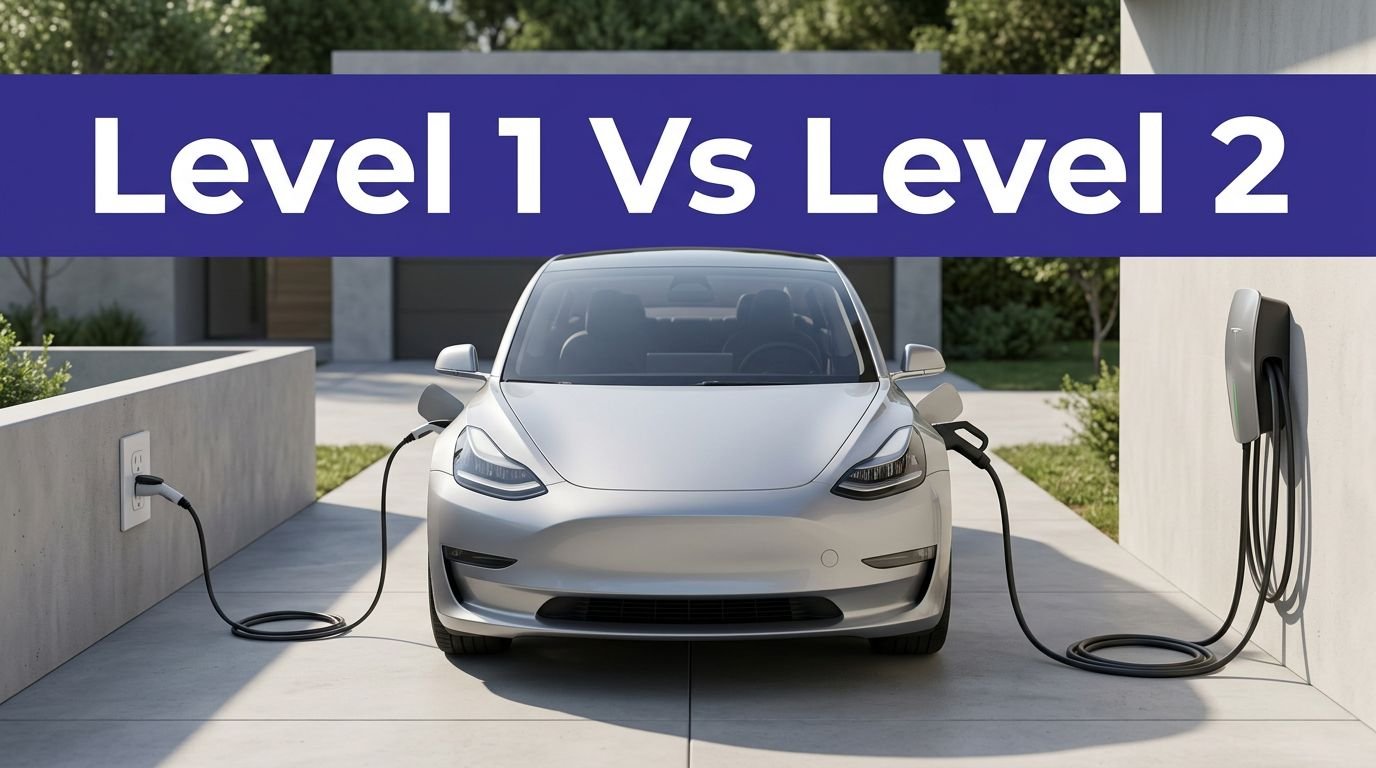
That last part matters. Charging cables are thick because they carry substantial electrical current. They aren’t lightweight phone chargers that politely disappear into a drawer. A Level 2 cable can be awkward, stiff, and determined to occupy the exact patch of floor where you need to walk.
Start with the layout. Where does your vehicle’s charge port sit? How far is the wall from the port? Does the garage door track pass overhead? A holder that looks perfect online can become useless when the cable reaches the car only if you park at a strange angle called “the driveway apology.”
Measure the cable before buying an organizer. Product listings commonly cover cable diameters from roughly 9.5 millimeters to more than 21 millimeters, but the fit varies. Measure the thickest section of your cable, including any molded strain relief near the connector.
Also check the connector. Tesla charging equipment and J1772 equipment don’t always fit the same hook or holster. The cable may hang correctly while the plug storage does not. That’s how you end up with a beautiful wall mount and a connector balanced on a paint can.
For a useful overview of hooks, retractors, and cable storage, the EV charger cable management guide covers the main organizer styles and the problems each one solves.
The best EV charging cable organizers for tight spaces
There isn’t one winner for every garage. A renter, a homeowner with a low ceiling, and someone sharing a charging circuit with another vehicle need different hardware.
Compact wall hooks and holders
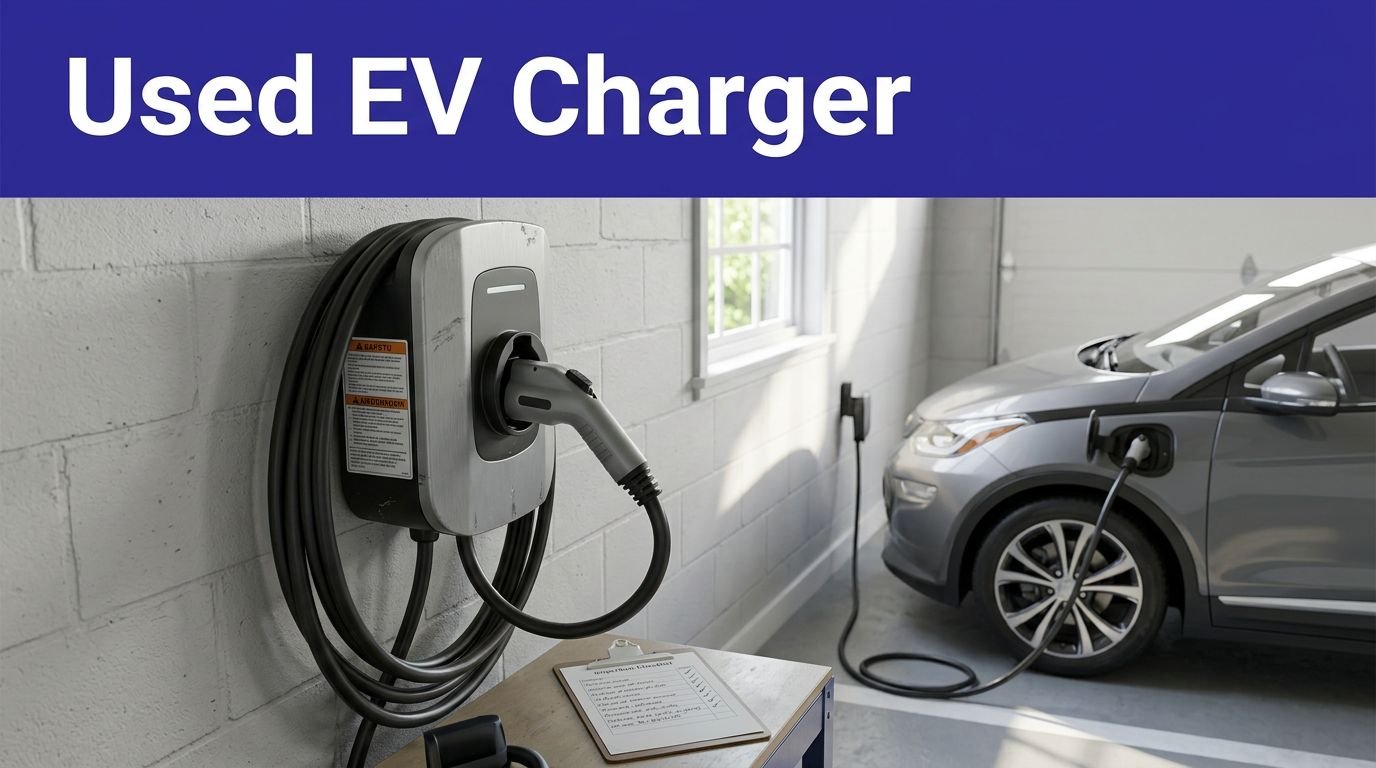
A wall-mounted hook is the cleanest answer when you have a narrow strip of wall beside the charger. It takes little space, has no moving parts, and doesn’t ask you to perform maintenance every time the seasons change.
The Maizengauto Heavy-Duty J-Hook EV Charger Holder is one example of this simple format. Its steel J-hook design and anti-slip coating are aimed at keeping the cable from sliding off. That matters more than it sounds. A smooth metal hook turns a stiff cable into a slow-motion snake escaping down the wall.
Wall hooks work best when you coil the cable loosely. Don’t wrap it into a tight, tiny circle. Tight bends can put stress on the cable jacket and connector. Leave enough slack for the cable to hang naturally, then place the plug in a separate holster if the holder doesn’t include one.

Wall hooks are usually the best value for a small garage because they solve the floor problem without adding a bulky box. They’re also easier to replace if the original hook rusts, bends, or loses its grip.
Wall-mounted retractable reels
A retractable organizer is better when you want the cable to extend toward the car and return to one spot afterward. Pull it out, plug in, charge, and let the reel take the cable back when you’re finished. In theory, everyone behaves perfectly. In practice, you still need to guide the cable instead of letting it snap back like an angry window shade.
The BVLLVT EV Charger Cable Retractor, 11.5-foot wall-mount model, is listed with one-touch automatic retraction and broad cable compatibility. The Takrabbsin Universal EV Charger Cable Retractor uses an adjustable clamp designed for cables around 16 to 22 millimeters in diameter. Those measurements show why checking your cable first is not optional.
A retractable reel makes sense when:
- Your parking spot is directly in front of the mounting wall.
- You want to avoid manually coiling a heavy cable.
- The reel’s extension length reaches the charge port without stretching.
- The mounting surface can support the organizer and repeated pulling.
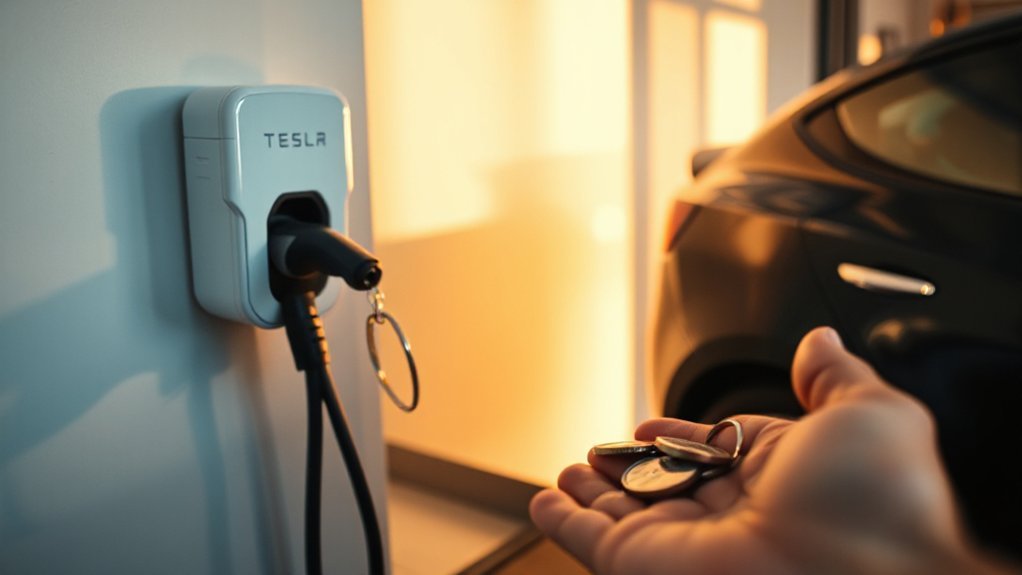
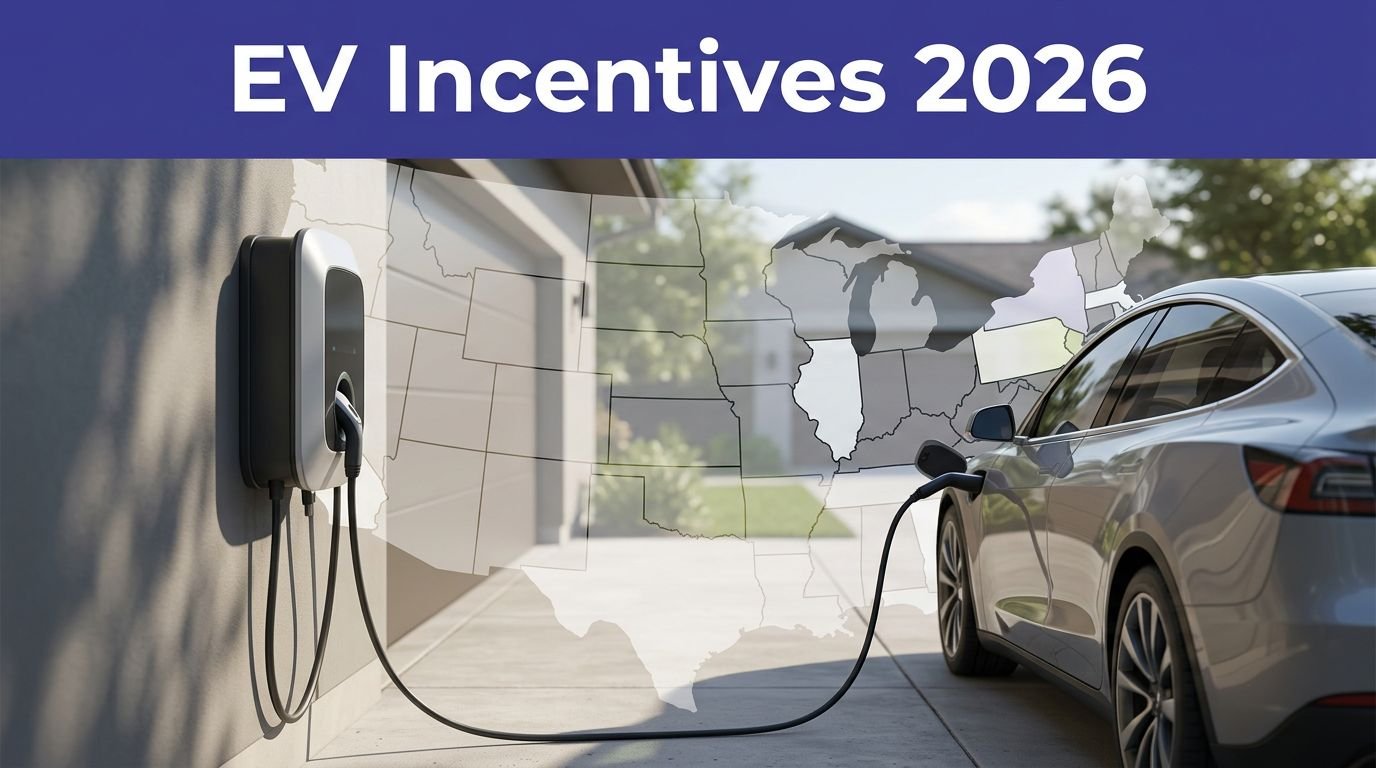
One current retractable EV charger cord reel listing shows the type of overhead and retracting design available for home garages. Read the actual dimensions, mounting instructions, return terms, and cable compatibility before ordering. Product photos are enthusiastic creatures. Measurements are less emotional.
Overhead retractors and pulley systems
An overhead system is useful when the walls are already full or the cable must cross a narrow parking bay. The cable hangs above the floor and travels down toward the vehicle, which can make a tight garage feel much larger.
The ChargeFlex Universal EV Overhead Retractable Cable Organizer is designed for ceiling or wall mounting, while the Inteset EV Charger Retractable Cable Management Pulley System is positioned as a more rugged, outdoor-rated option. These systems can work well, but ceiling mounting demands more planning than screwing a hook into a stud.
Look at the garage door path first. The cable and pulley must stay clear of the door, tracks, springs, lights, and stored items. A cable organizer that collides with the garage door once a day is not an organizer. It’s a subscription service for regret.
Overhead hardware is the strongest choice when floor clearance is the main problem. It’s less appealing if your ceiling is low, your charger is mounted beside the door track, or you don’t have a solid place to anchor the system.
What to check before buying an EV cable holder
The product should fit your garage before it fits your shopping cart. Compare these details in the listing and installation manual.
Mounting footprint: Measure the wall area around the charger. Include the space needed to remove the connector and coil the cable. Some reels need extra clearance on both sides, while a J-hook can fit into a narrow vertical strip.
Cable diameter: A holder that accepts a thin portable cable may not handle a thick Level 2 cable. Measure the cable with a ruler or caliper. If the listing gives only a vague phrase such as “universal fit,” look for a return policy and user photos.
Reach: Common organizer lengths fall around 9 to 12 feet, but your setup may need more. Measure from the mounting point to the charge port with the car parked normally. Don’t plan around stretching the cable across the front of the vehicle.
Connector storage: A cable hook holds the cable. A connector holster holds the plug. You need both unless the charger already has a secure place for the connector. Leaving the plug on the floor invites water, dirt, and the one person in your household who never sees anything on the floor.
Material and finish: Powder-coated steel and galvanized components are useful in humid garages or spaces that open directly outdoors. Plastic can work for lighter portable equipment, but inspect the load rating and mounting method.
Retraction control: Automatic reels should pull the cable back at a controlled speed. A violent snap can damage the connector, wall mount, or your knuckles. If the mechanism feels rough, don’t keep forcing it.
Warranty and support: A known seller, clear installation instructions, and accessible support matter more than a dramatic product title. “Heavy duty” is not a technical rating. Look for weight limits, dimensions, material details, and compatible cable sizes.
A quick comparison helps narrow the field:
| Garage problem | Best organizer type | Main tradeoff |
|---|---|---|
| Very little wall space | Overhead pulley | More complex installation |
| Narrow wall beside the charger | Compact J-hook | Manual coiling |
| Cable constantly reaches the floor | Wall-mounted retractor | Moving parts and tension |
| Renter or temporary setup | Freestanding holder | Uses more floor space |
| Humid or outdoor-adjacent garage | Coated steel holder | Usually costs more |
The takeaway is simple: choose the mounting style first, then compare cable fit and reach. Starting with a product name can send you in the wrong direction.
Install it without creating a new problem
Mount the organizer into a stud, masonry, or another surface that can carry the load. Drywall anchors may be fine for a light accessory, but a loaded cable and repeated pulling can work them loose. Follow the manufacturer’s hardware requirements rather than trusting the screw packet’s general optimism.
Place the hook or reel close enough to the charger that the cable doesn’t drag across the wall. Keep the connector high enough to avoid puddles, snow brought in by tires, and the mysterious garage spill that appears whenever you’ve cleaned the floor.
Leave the charger’s ventilation area clear. Don’t wrap the cable around the EVSE body, block its cooling openings, or force the cord against sharp corners. The organizer stores the cable; it doesn’t change the charger’s electrical requirements.
Before the first full charging session, test the setup while standing nearby. Confirm that the cable reaches the port, the vehicle can move without pulling on it, and the garage door clears every part of the system. Then unplug, store the connector, and check that the cable rests without a hard kink.
Real owners often improvise their setups around wall location, charger type, and parking habits. A discussion of EV cable and plug holders shows how varied those home solutions can be. Borrow the idea, not the mounting hardware. Your wall may not share someone else’s studs.
Conclusion
The best EV charging cable organizers for small garages are the ones that match your actual parking pattern. Pick a compact wall hook for the lowest cost and smallest footprint, a retractable reel for easier daily handling, or an overhead pulley when floor clearance is the whole fight.
Measure the cable diameter, connector type, reach, mounting surface, and garage-door clearance before buying. A tidy cable is nice. A tidy cable that doesn’t get crushed, stretched, soaked, or hooked by the garage door is much nicer.