A winter road trip can make a perfectly healthy EV look like it has misplaced its confidence. You notice it first with cold weather EV charging, when the station promises speed and your battery responds like it needs a minute to think.
Cold temperatures reduce driving range, slow DC fast charging, and increase cabin heating demand. The good news is that the battery isn’t damaged every time the forecast gets rude. You need to understand what the car is protecting, then plan around it.
What cold weather EV charging does to your battery
Lithium-ion batteries work through chemical reactions. Cold temperatures slow those reactions, which increases the battery’s internal resistance. The pack can’t deliver or accept energy as easily, so the vehicle’s battery management system limits power.
That protection is important. If a cold battery accepted a large electrical load too quickly, lithium could accumulate in unwanted places inside the cells. The result could be permanent damage. Your EV would rather charge slowly than become an expensive paperweight with heated seats.
A cold battery also produces less usable energy while you’re driving. The range estimate drops because the pack is working less efficiently, not because the battery suddenly lost a chunk of its physical capacity forever.
Cabin heat adds another demand. Gas-powered cars use waste heat from the engine, which is already being produced. An EV has no hot engine sitting under the hood, so it uses electrical energy for heat. A resistive heater can pull substantial power, especially during the first few minutes of a freezing commute.
Heat pumps are more efficient because they move heat instead of creating it directly. That doesn’t make winter range loss disappear, but it can reduce the penalty. The effect varies by vehicle design, temperature, driving speed, tire pressure, weather, and how aggressively you use the heater.
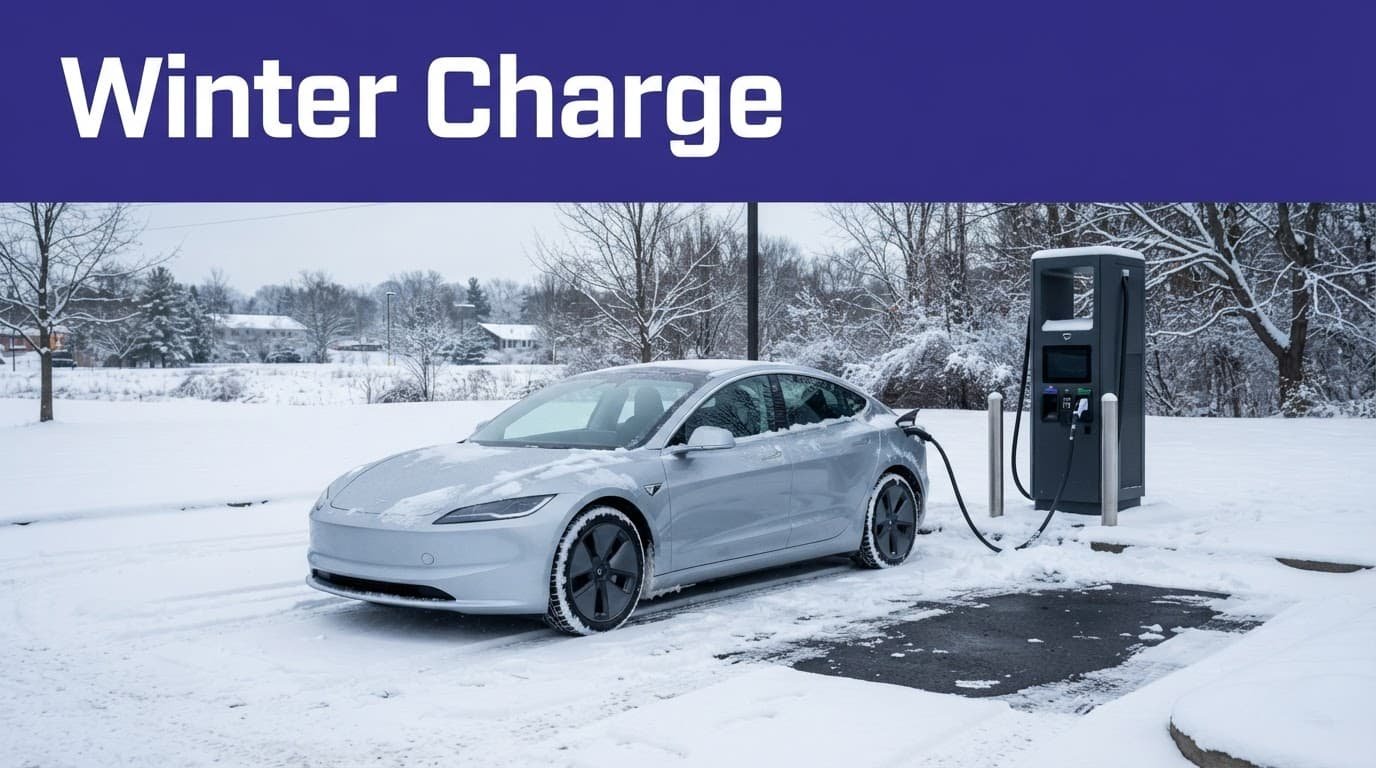
A cold-soaked battery is the bigger problem at a public charger. If the car sat outside overnight, the battery may spend the first part of the session warming itself before it can accept high charging power.
The Idaho National Laboratory’s cold-weather charging research found that charging times increased significantly in cold conditions. That doesn’t mean every EV will take twice as long every winter morning. It means temperature can change the charging curve, especially when the pack begins cold.
How much range can an EV lose in winter?
There isn’t one universal winter range number. Anyone promising one is either selling something or hasn’t met enough weather forecasts.
Near freezing, many EVs lose roughly 10% to 30% of their normal range. Around 20 degrees Fahrenheit, losses can reach about 30% or more, especially with cabin heat running. Severe cold, highway speeds, snow, and strong headwinds can push the result lower.
Recurrent’s analysis of 34 popular EV models found that vehicles averaged about 78% of their maximum range at 32 degrees Fahrenheit. At 20 degrees, the average fell to about 70%. Those are useful benchmarks, not guarantees for every model and route.
The difference between the dashboard estimate and real-world range can feel dramatic. Imagine an EV rated for 300 miles. A 22% reduction leaves about 234 miles under comparable winter conditions. A 30% reduction leaves about 210 miles. Add a heated cabin, wet roads, winter tires, and highway speeds, and the car may use energy faster still.
The winter EV range data from Recurrent also shows why model choice matters. Battery size isn’t the whole story. Thermal management, software, aerodynamics, heater type, and battery preconditioning all shape winter performance.
The biggest winter range hit usually comes from several demands arriving together: a cold battery, cabin heating, high speed, and difficult road conditions.
Your driving style matters more in winter because air resistance rises with speed, while cold weather makes every wasted kilowatt-hour harder to replace. Driving at 75 mph with the heater on can produce a much larger loss than moving through town at 45 mph with a warm cabin.
Regenerative braking may also be limited at first. A cold battery can’t always accept energy from the motor during deceleration, so the car may reduce regenerative braking until the pack warms. You still have friction brakes, but the familiar one-pedal feeling can change.
Why DC fast charging slows down the most

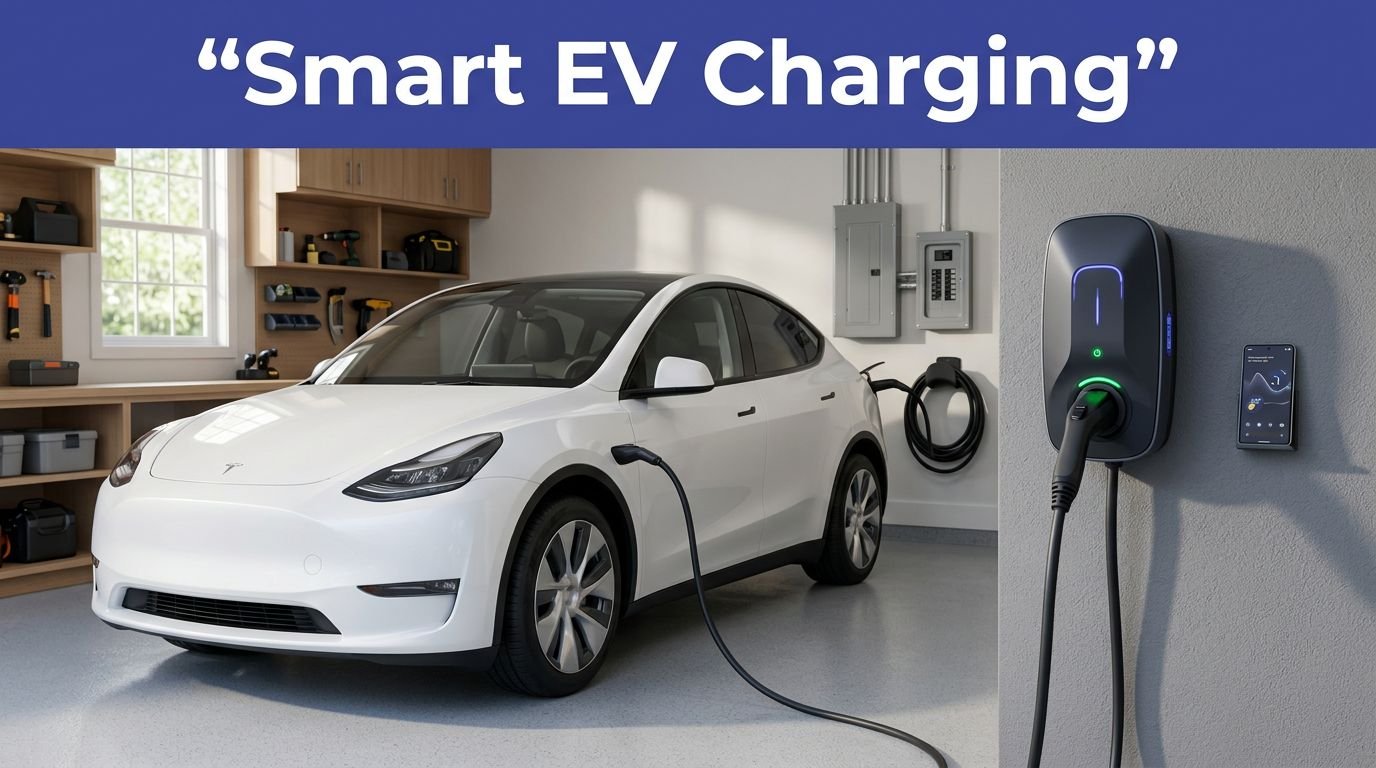
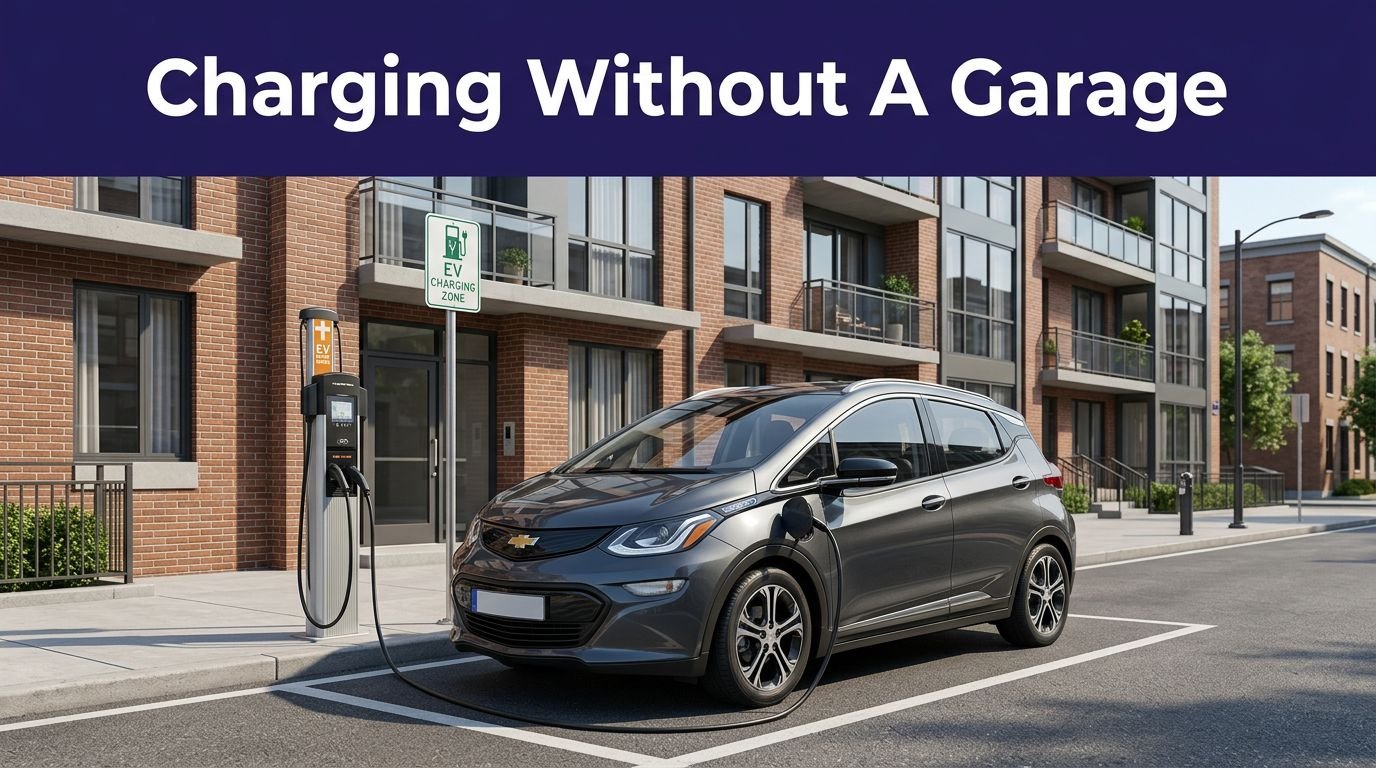
Level 1 and Level 2 charging usually feel more predictable in cold weather. They deliver power at a lower rate, giving the battery more time to warm. The session may take longer, but the difference is often less dramatic than it is at a high-power DC station.
DC fast charging is where the winter drama happens.
A warm battery can accept a large current quickly, particularly at a low state of charge. A cold battery can’t. The vehicle may reduce the charging rate while the battery management system brings the cells into a safer temperature range.
At 70 to 80 degrees Fahrenheit, a typical 20% to 80% DC fast-charge session might take 20 to 30 minutes, depending on the vehicle and charger. At 32 degrees, the same session can take roughly 30 to 45 minutes. At 20 degrees or below, 45 to 90 minutes is possible for some vehicles when the battery begins cold.
Those are broad ranges because charging speed depends on more than the weather. The charger may be sharing power, the battery may be above 50%, or the vehicle may have a conservative charging curve. A station advertising 350 kilowatts doesn’t force every EV to accept 350 kilowatts. The car decides what it can safely use.
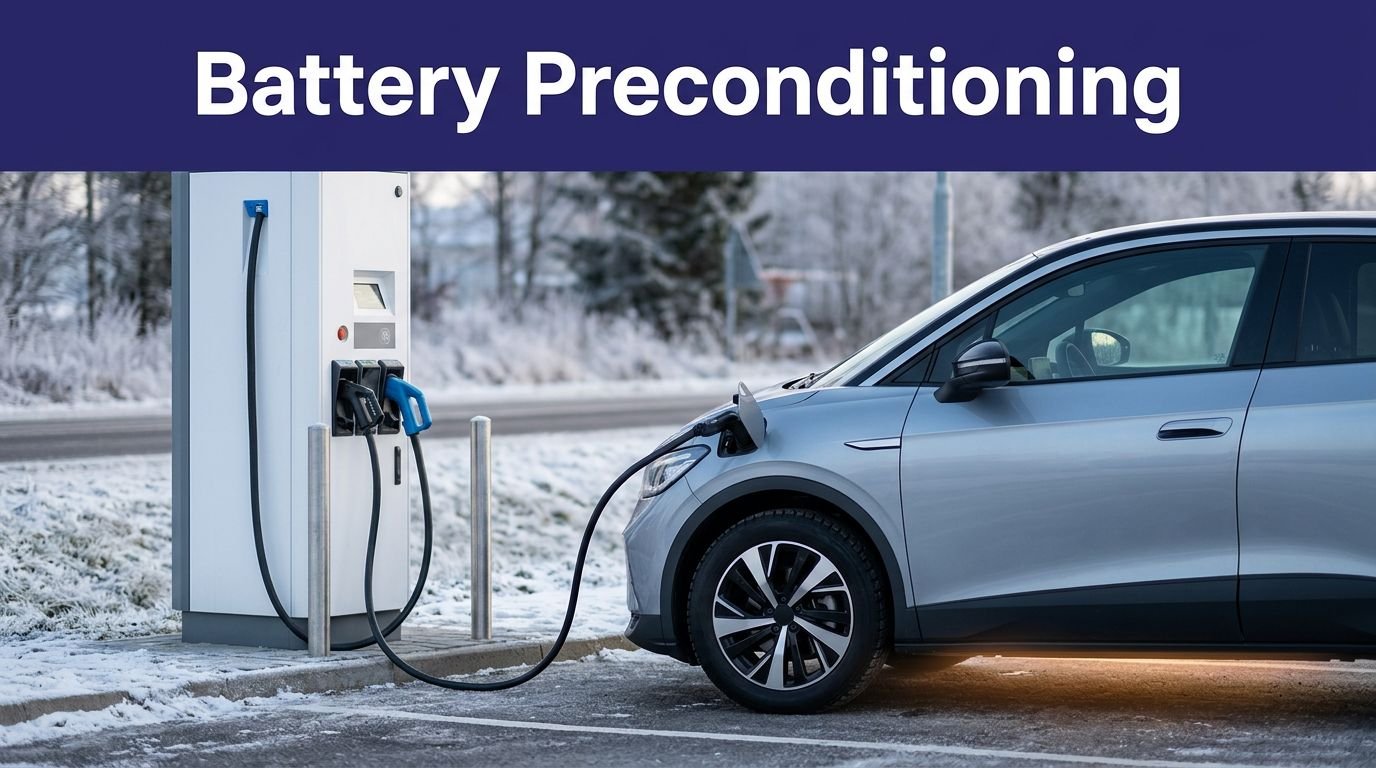
Battery preconditioning changes the situation. When you tell the vehicle you’re heading to a fast charger through its built-in navigation system, many models warm the battery before arrival. The energy comes from the grid while you’re plugged in, or from the battery while driving, depending on the car and conditions.
This distinction matters. Some winter charging tests include the time required to warm a frozen battery. Others measure only the time spent connected after the battery is ready. A session can look painfully slow because the battery spent 15 minutes warming before the high-power part began.
If your vehicle supports manual battery preconditioning, start it before leaving for the station. Follow the manufacturer’s instructions because the activation method varies. Some cars use navigation routing, while others offer a battery temperature setting in the charging menu.
Practical ways to protect winter EV range
You can’t control the weather, but you can stop giving it free advantages. A few habits make a noticeable difference.
- Precondition while plugged in. Warm the cabin and battery before departure. The electricity comes from the charger instead of taking the first bite out of your driving range.
- Use the heated seats and steering wheel. They warm your body directly and often use less energy than heating the entire cabin. Set the climate control to a reasonable temperature instead of recreating July inside the car.
- Arrive at a fast charger with a warm battery. Use the vehicle’s built-in route planner when possible. It can prepare the pack before you pull into the stall.
- Leave more charging time than usual. A winter road trip needs a buffer. If the normal plan allows 25 minutes at a station, don’t schedule the next appointment 26 minutes later. That is not a plan. That is a hostage situation with a calendar.
- Check tire pressure and remove unnecessary weight. Cold air lowers tire pressure, which increases rolling resistance. Snow-covered cargo, roof equipment, and heavy winter gear also consume energy.
- Keep the battery plugged in during long parking periods. A connected vehicle can maintain the battery within a safer temperature range, depending on its settings and the ambient conditions. Don’t assume every car handles this the same way. Check the owner’s manual.
It also helps to plan around charging speed rather than advertised range. On a winter trip, a charger near a restaurant or restroom may be more useful than a slightly faster station in an empty parking lot. You may spend 10 extra minutes charging, but at least those minutes have chairs and coffee.
Avoid arriving at a charger with the battery nearly empty if the route offers no backup. Cold weather can raise energy use, and a detour may become a real problem when the range estimate is already falling.
What to expect at different temperatures
The table below gives practical planning ranges, not promises for every EV.
| Temperature | Likely range effect | Charging behavior |
|---|---|---|
| Above 60°F | Little cold-related loss | Charging usually follows the vehicle’s normal curve |
| Around 40°F | Noticeable in some vehicles | Mild slowdown may appear, especially at fast chargers |
| Around 32°F | Roughly 10% to 30% range loss for many EVs | DC fast charging may take 30 to 45 minutes for 20% to 80% |
| Around 20°F | Roughly 30% loss is common, with higher losses possible | A cold battery can charge 40% to 50% slower |
| Near 0°F | Severe range and power penalties are possible | Battery warm-up can dominate the early charging session |
The table’s most important detail is the difference between ambient temperature and battery temperature. A car driven for an hour may charge far better than a car that sat outside all night, even if both arrive at the same station in the same weather.
Cold-weather charging doesn’t always stay slow for the whole session. Once the battery reaches its preferred temperature, the charging rate can rise. The first few minutes may be the frustrating part, followed by a more familiar curve.
Should cold weather change your EV buying decision?
If you live where winter means occasional frost, most modern EVs can handle it without much trouble. You’ll notice the range change, but home charging and regular preconditioning can make daily use easy.
If you regularly drive in sub-freezing temperatures, compare thermal management features before buying. Look for a heat pump, active battery heating, battery preconditioning, a well-supported route planner, and a charging curve that remains useful in cold conditions.
Ask a dealer or owner how the exact trim performs in winter. A model name alone isn’t enough because equipment can vary by battery size, drivetrain, market, and production year.
Public charging access matters too. A strong winter EV setup includes reliable fast chargers along your routes, indoor or sheltered charging where available, and enough range reserve to handle a detour. The best vehicle for cold conditions is not always the one with the biggest battery. It is the one whose thermal system and charging network fit your routine.
Conclusion
Cold weather can reduce EV range by roughly 10% to 30% near freezing and more in severe conditions. It can also slow DC fast charging, especially when the battery arrives cold and needs to warm before accepting high power.
The practical answer is simple: precondition while plugged in, use efficient cabin heating, allow extra charging time, and plan winter trips with a larger reserve. Once you treat the battery temperature as part of the trip plan, cold weather EV charging becomes a scheduling problem, not a roadside mystery.
This post may contain affiliate links. If you make a purchase through these links, I may earn a small commission at no extra cost to you.