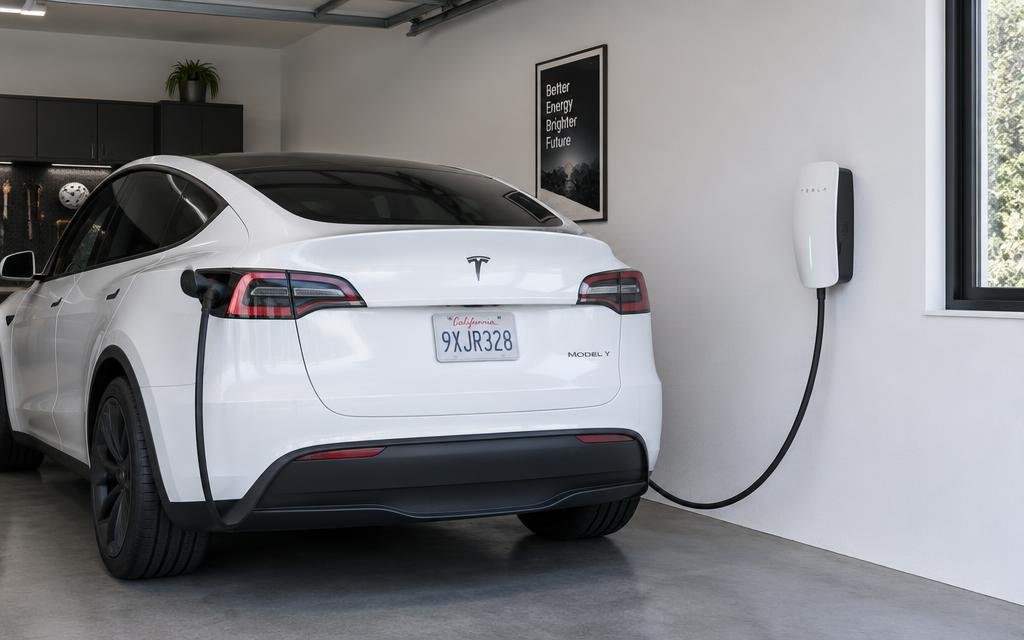
EV Charger Installation Rebates: How to Find Utility and State Incentives
Utilities and states offer rebates, bill credits and special EV rates that can lower your charger and installation costs. Here's how to find them in minutes.
As an Amazon Associate, EV Charging may earn from qualifying purchases. This helps support our independent guides at no extra cost to you. Learn more.
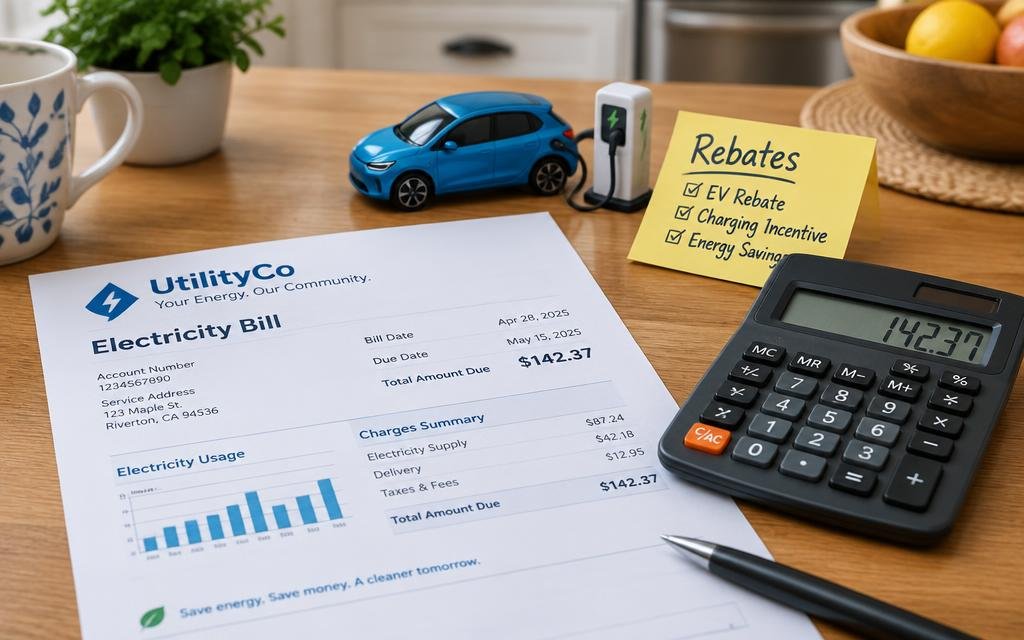
Key takeaways
- Search DSIRE and your utility's website by ZIP code.
- Many rebates require a pre-approved or ENERGY STAR charger.
- Apply before you buy — some programs don't accept retroactive claims.
Where to look
Start with your electric utility's EV page, then search DSIRE, a long-running database of state and local incentives. The DOE's Alternative Fuels Data Center also lists laws and incentives by state.
Shop this guide
Compare current options and prices
Read the fine print
Programs often require a specific charger list, a licensed installation with permit, enrollment in a time-of-use rate, or pre-approval. Missing a step can disqualify you.
Stack savings
Rebates can sometimes be combined with off-peak EV rates and managed-charging bill credits. Ask your utility which programs can be stacked.
Sources & further reading

Written by
LarryLeoLarryLeo started EV Charging while researching his own next car purchase. He digs into the pros, cons and real cost savings of going electric — using government, standards-body and manufacturer sources — and shares what he finds so other buyers can decide with confidence.
Why trust EV Charging Guide
Our guides are researched from government, standards-body and manufacturer sources, reviewed for accuracy, and updated when rules or products change. Brands cannot pay for placement. Read our editorial policy.
Related Posts
Federal EV Charger Tax Credit (30C) in 2026: What Changed and Who Still Qualifies
Best Level 2 EV Charger for Home in 2026: How to Choose the Right One