Buying a Used EV Charger: What to Verify Before You Pay
A used EV charger can save money, but check its safety listing, condition, account transfer, circuit fit, and total installed cost before paying.
As an Amazon Associate, EV Charging may earn from qualifying purchases. This helps support our independent guides at no extra cost to you. Learn more.
A used EV charger can be a sensible buy when its safety listing, condition, ownership transfer, and electrical requirements all check out. The discount needs to cover the full cost of installation, missing parts, and absent post-sale coverage.
A clean EV charger enclosure is nice. But the evidence matters more: an identifiable model, undamaged connections, and a seller who can demonstrate that the equipment works.
Start with those basics before getting attached to the price.
This post may contain affiliate links. If you make a purchase through these links, I may earn a small commission at no extra cost to you.
Key Takeaways
- Buy an identifiable, safety-certified unit with an intact rating label, cable, connector, and enclosure.
- Make successful account transfer and a normal charging demonstration conditions of payment.
- Match charging current to the complete circuit. A 50A breaker generally supports 40A continuous charging, not 50A.
- Treat undocumented coverage as unavailable, and compare the total installed cost with manufacturer-refurbished equipment.
For home AC charging, the wall unit is technically electric vehicle supply equipment, or EVSE. The car's onboard charger converts AC electricity into DC for the battery.
Identify the Exact Model and Safety Listing
Ask for clear photographs of the rating label before arranging a pickup. You need the manufacturer, model number, serial number, input voltage, maximum current, and listing mark.
Match the Certification to the Whole Unit
Look for a legitimate UL Listed or ETL Listed mark covering the complete EVSE. UL 2594 is a relevant safety standard for AC charging equipment.
An advertising claim such as "UL-compliant" doesn't establish a listing. A listing for one internal component doesn't establish a listing for the whole unit. Intertek's ETL Listed Mark Directory lets buyers match the exact make and model of a charging station to its listing record.
For Lectron portable units, as with any brand, evaluate the exact model. Broad claims that every product from a brand is certified, or uncertified, aren't reliable buying guidance.
Establish Identity and History
Compare the label with the enclosure, connector type, and seller's receipt. Missing labels, altered serial numbers, improvised repairs, or mismatched components are reasons to pass.
Ask why it was removed and whether it experienced flooding, overheating, repeated faults, or a recall. For recalls, the model and serial range matter more than the product name.
A listing establishes how a product was evaluated when manufactured. It doesn't certify the condition of this particular secondhand unit.
Inspect the Connector, Cable, and Housing
Inspect everything unplugged and de-energized. Don't open the enclosure or remove covers to investigate internal wiring.
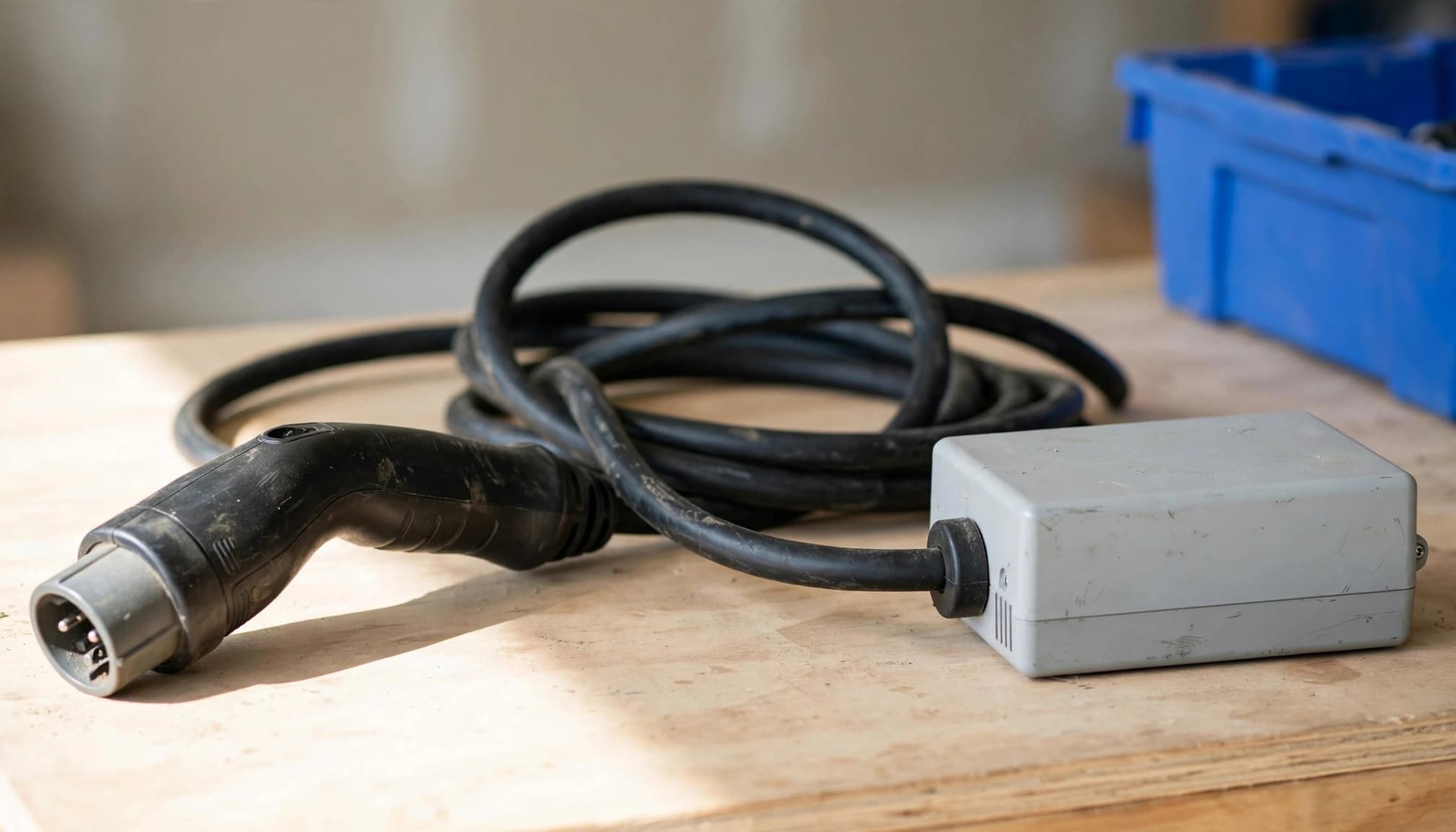
Start With the Connector and Supply Plug
Look for cracked plastic, displaced contacts, corrosion, scorching, melted areas, and a damaged latch. Inspect the supply plug blades for pitting or discoloration, too.
Dirt inside a J1772 or NACS connector deserves attention. Grit, moisture, or other contamination can reach the car's charge port and damage the mating connection. Don't use your vehicle to find out whether a questionable connector is harmless.
A damaged public J1772 handle can injure a vehicle inlet's mating contacts. A damaged inlet can then compromise another connection. That's why the car's port deserves inspection before any demonstration.
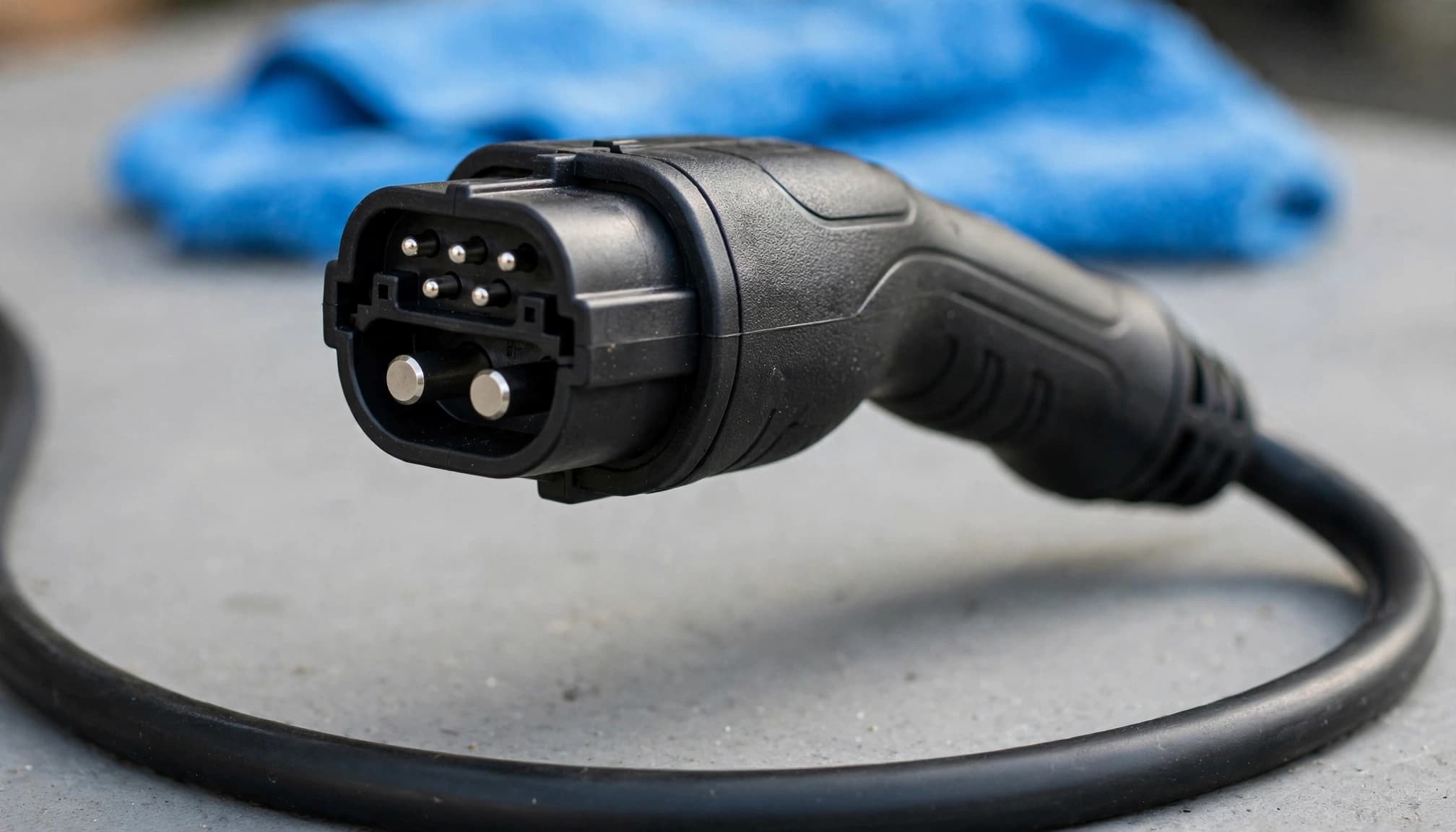
Follow the Cable All the Way Around
Inspect the entire charging cable, especially both strain reliefs. Cuts, flattening, exposed material, taped repairs, and sharply kinked sections are warning signs.
Check the housing for cracks, missing fasteners, water staining, and damaged mounting points. Cosmetic scuffs are different from a compromised enclosure.
Burning smells, melted plastic, or evidence of water intrusion end the inspection. Damaged equipment belongs with the manufacturer or a qualified electrician, not in a charging trial.
Make the Smart-Charger Account Yours
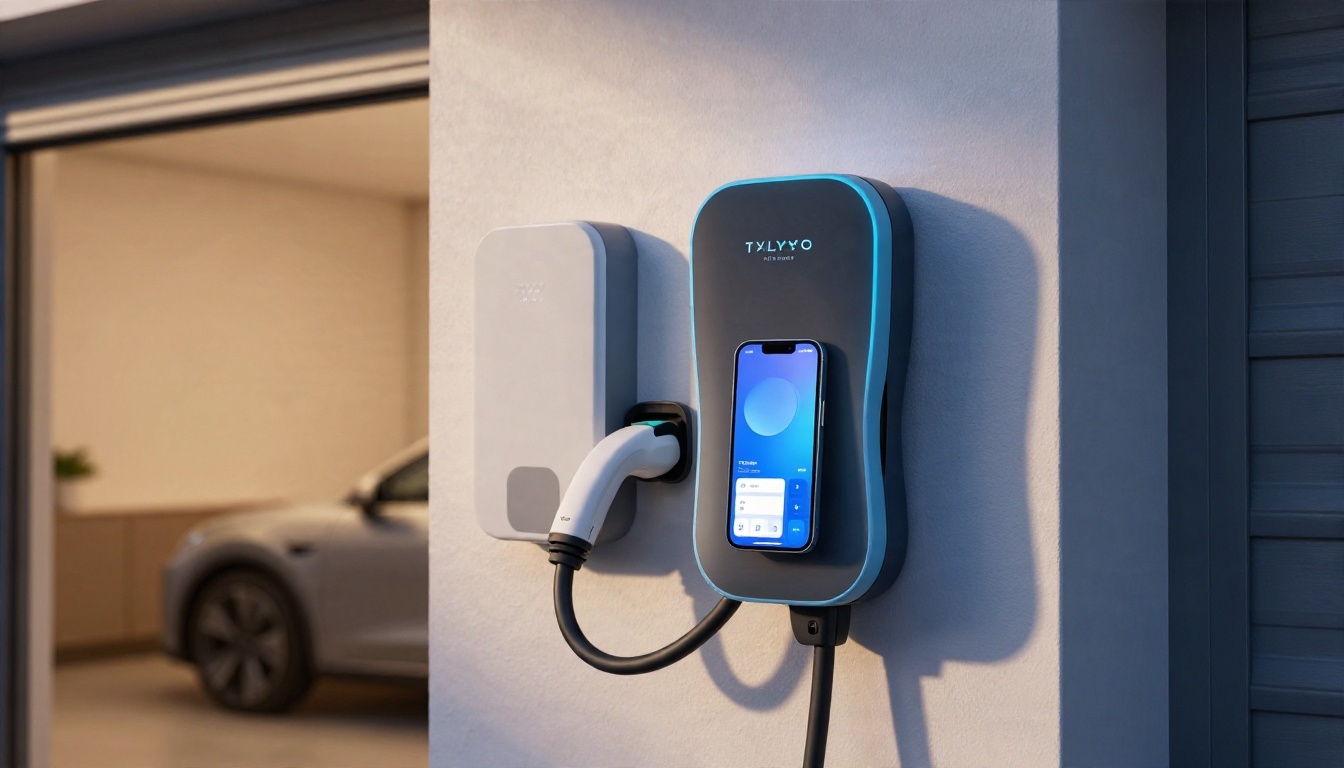
A smart EVSE can remain registered to its previous owner, leaving smart charging features, schedules, access restrictions, or settings outside your control.
Complete Ownership Transfer Before Payment
The seller should remove the charger from their account using the manufacturer's supported process. Ask ChargePoint support to verify the account-release process for the exact model before you pay. Complete enrollment in your account before treating smart features as usable.
A factory reset and account release aren't necessarily the same operation. Resetting Wi-Fi credentials may leave cloud ownership unchanged.
Don't accept "you can sort that out later" as part of the deal. Later is when your bargaining power disappears.
Test the Features You Need
Demonstrate immediate charging, scheduling, and access to relevant settings. Establish which features work without Wi-Fi and which require an active app or cloud service.
Firmware and service support matter, too. An older unit may still charge while losing the scheduling or energy-management functions that made it attractive.
Off-peak scheduling saves money only when your electricity tariff rewards shifting consumption. Calculate savings from the applicable rates and energy shifted; a percentage on a sales page isn't your household's result.
Watch a Normal Charging Session
Once visual inspection passes, request a demonstration on the seller's existing, correctly installed circuit. A charging video is useful, but a live demonstration gives you more information.
The unit should initialize normally, establish a connection with the vehicle, and charge without repeated interruptions or fault warnings. Observe the displayed charging current and compare it with the configured limit.
A click when charging starts may be the contactor closing. Repeated chatter, buzzing, unexplained interruptions, or fault messages need professional diagnosis. Don't open the housing to inspect or test the internal relay.
A quick handshake proves less than a sustained session. Even a normal session cannot establish that every internal connection is sound or predict remaining service life.
A charger that works on the seller's circuit still needs a separate installation assessment at your home.
If a breaker trips, the connector overheats, or charging repeatedly faults, stop. Don't keep resetting protection, defeat a ground-fault device, or lower the current to disguise an unexplained defect.
For removed hardwired equipment, require a purchase arrangement that allows professional commissioning and a return if it fails.
Match Charging Output to Your Home Circuit
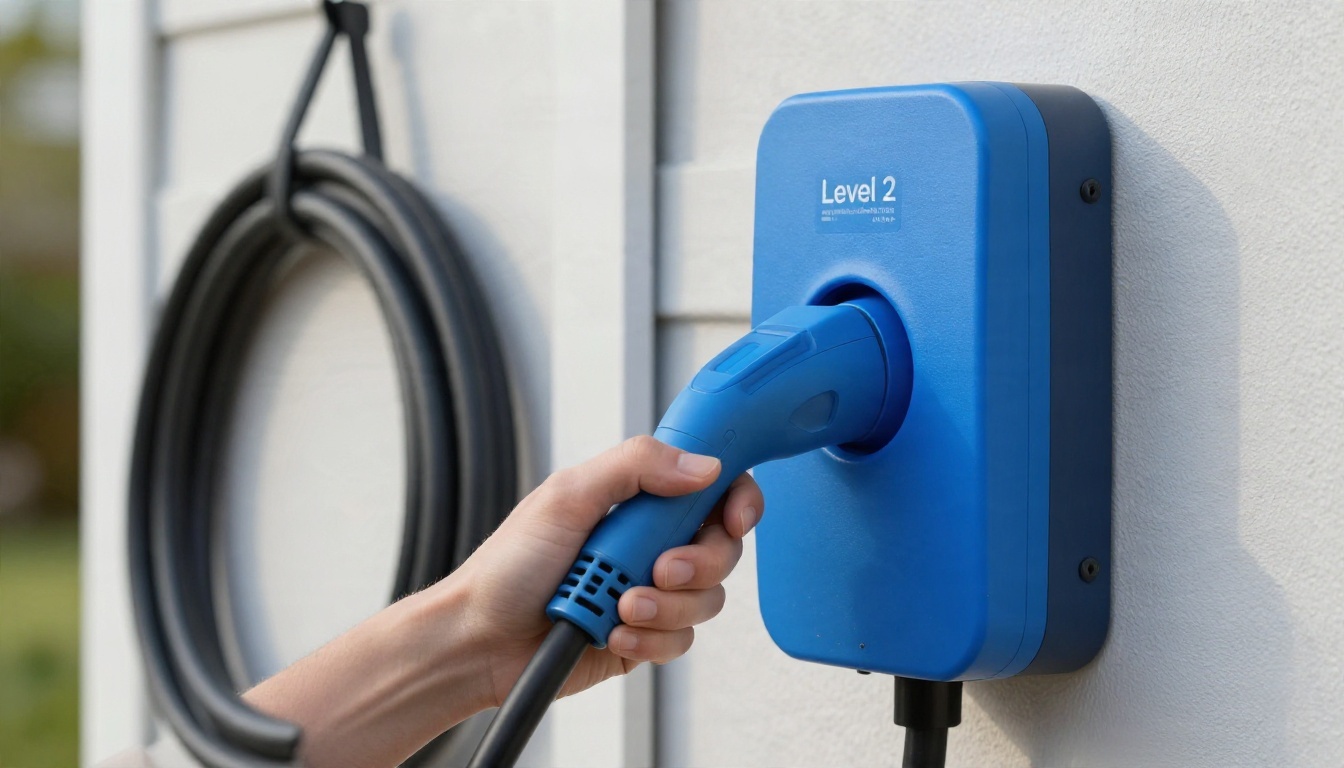
For home charging, Level 1 uses household 120V AC power and is the slow tier. Residential Level 2 generally uses 240V AC. DC fast charging, often called Level 3, is a different category of equipment.
The Department of Energy explains these distinctions in its charging equipment guide. A surplus commercial DC fast charger isn't a practical substitute for home Level 2 equipment.
For continuous EV charging, the familiar relationship is charging current multiplied by 125%. That means 40 × 1.25 = 50A and 48 × 1.25 = 60A.
The Emporia Classic provides a concrete comparison. Its 48A configuration is rated for 48 amps, subject to the specified circuit and installation requirements.
| Configuration | Maximum Charging Current | Power at 240V | Dedicated Breaker |
|---|---|---|---|
| NEMA 14-50 plug-in | 40A | 9.6 kW | 50A double-pole |
| Hardwired | 48A | About 11.5 kW | 60A double-pole minimum |
Emporia's Classic installation guide specifies 40A plug-in operation and a 60A-or-larger circuit for 48A hardwired operation. A larger breaker isn't permission to ignore circuit design.
The calculations are straightforward: 240 × 40 = 9,600 watts; 240 × 48 = 11,520 watts. Actual battery charging power is lower after losses and vehicle limits.
Our guide to 48A charger circuit requirements explains the sizing relationship. A qualified electrician must assess service capacity, conductors, protection, and installation conditions.
Respect Outlet and GFCI Requirements
For its NEMA 14-50 installation, Emporia calls for an industrial-grade, 50A receptacle suitable for 80% continuous-duty operation. That means 40A continuous charging.
Its guidance names Hubbell, Leviton, Bryant, and Cooper (Eaton). Choose the appropriate product line and rating; a brand name alone doesn't make every receptacle suitable.
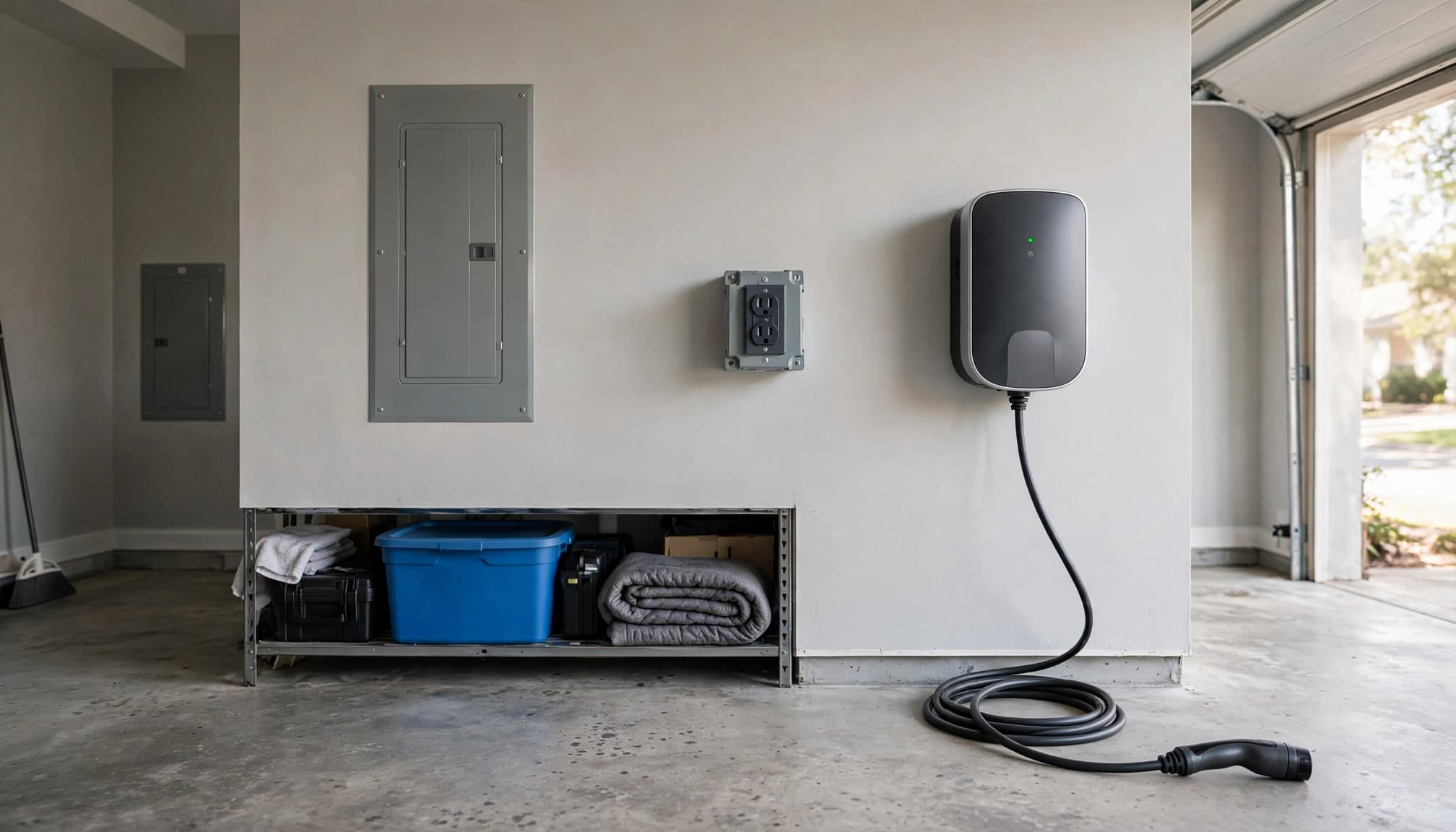
Emporia's Classic electrical requirements state that NEC requirements call for GFCI breaker protection on circuits using 6-50 or 14-50 outlets. The locally adopted code edition and amendments govern the installation.
The Classic also contains ground-fault protection. Emporia warns that upstream GFCI protection can cause nuisance tripping with its equipment.
That warning doesn't authorize removing required protection. A qualified electrician should resolve the installation method and applicable requirements. Hardwiring may avoid the receptacle-related issue where permitted.
Moving a portable unit is physically easier than moving a hardwired unit. But portability doesn't establish that the next outlet is suitable. Our plug-in versus hardwired comparison covers that choice.
Compare Used, Refurbished, and New Equipment
The useful comparison is total installed cost for equivalent capability. A cheap charger needing unavailable mounting hardware or a new circuit can lose its advantage quickly.
Understand What Refurbished Includes
A private-sale unit may have no inspection record, return rights, or transferable coverage. Manufacturer-refurbished equipment can offer clearer terms, but the actual sales terms determine what's included.
Emporia sells refurbished Classic equipment, so a private seller's asking price deserves comparison with that option, not only a new unit's original retail price.
"Refurbished" without a named refurbisher, documented condition, and stated coverage tells you very little. Give those words something to stand on.
Compare the Same Capability
Include purchase price, shipping, missing brackets or holsters, approved adapters, installation, permits, and documented coverage. Don't pay extra for 48A capability your home or vehicle cannot use.
The car's onboard AC charger can be the limiting factor. A higher-rated EVSE won't force the vehicle to accept more power.
For adapters, keep AC and DC compatibility separate. An approved AC J1772-to-NACS adapter doesn't establish compatibility with DC fast charging. Match the adapter's direction, electrical rating, and vehicle approval to the intended AC connection.
Put the Sale Terms in Writing
Keep the seller's listing, photographs, payment record, model and serial number, and a bill of sale. The paperwork should identify included mounting hardware, holster, supply adapters, and any return agreement.
Treat undocumented coverage as unavailable. A receipt can help establish purchase history, but it doesn't automatically transfer coverage to another owner.
For hardwired equipment, have a qualified electrician handle removal and reinstallation. Previous installation doesn't establish that the unit can simply move onto another home's wiring.
Don't buy cut supply leads, altered connectors, or improvised plug conversions as a bargain project. Those changes can create safety concerns and problems with the unit's listed configuration.
An unidentified EV charger with no support, no return option, and questionable repairs has too many unknowns. Walking away is a perfectly good buying decision.
When the Charger Comes With a Used EV
Keep the vehicle and equipment assessments separate. Battery condition tells you about the car, but it doesn't establish that its charging cord is safe. Battery life and usable range vary by vehicle, so assess them using vehicle-specific information.
A used EV may retain roughly three-quarters of its original range, but that isn't a dependable assumption for an individual vehicle. Battery health, temperature, driving conditions, and model history matter.
Likewise, 50,000 to 75,000 miles can be a shopping range, not a battery-health certificate. If your daily driving is under 40 miles, evaluate that need against measured usable range and winter conditions.
Confirm the correct charging cord and approved adapters are included. Record missing items in the purchase paperwork and negotiated price. Vehicle warranties may transfer under their terms; charger coverage is a separate question.
Advice on used EV incentives also needs a date. The IRS says the federal used clean-vehicle credit isn't available for vehicles acquired after September 30, 2025. A November 2026 purchase doesn't qualify. State, local, and utility programs have separate eligibility rules.
Sources for Safety and Home-Charging Guidance
UL's explanation of EVSE personnel-protection standards covers electrical-hazard protection and relevant certification standards. DOE's home-charging guidance explains residential charging options.
Manufacturer instructions apply to the identified model and revision. Specifications for another generation, even one with a similar enclosure, aren't a substitute.
Frequently Asked Questions
Can I Plug My EV Into Any 240V Outlet?
No. You need compatible EVSE, and the receptacle, circuit capacity, grounding, and protection must suit continuous charging. An outlet that fits the plug can still be unsuitable. Have a qualified electrician assess an existing outlet before use.
Is a Used Charger Safe Without a Warranty?
It can be, but a warranty and electrical safety answer different questions. Documented certification, sound condition, a successful demonstration, and proper installation matter. No warranty means you bear the financial risk if the equipment fails after purchase.
What Is the Cheapest Way to Get an EV Charger?
An included, approved Level 1 cordset may be sufficient if it replaces your daily energy use. For Level 2, compare certified used and manufacturer-refurbished equipment by installed cost. "Free charger" offers may require enrollment, an approved installer, or participation in utility programs.
Can a Previous Owner's Schedule Lock Me Out?
Yes. A used smart charger may remain associated with its previous account and retain scheduling or access restrictions. Make account release, enrollment in your account, and successful immediate charging conditions of the sale. Don't rely on a promised reset afterward.
Buy the Evidence, Not the Shine
A worthwhile used EV charger comes with a clear identity, intact connections, working ownership transfer, and requirements your home can safely support. The price becomes meaningful after those pieces are settled.
Keep installation and condition ahead of cosmetic appeal. If the discount disappears once missing parts, electrical work, and unsupported equipment enter the picture, another charger is the better buy.
Sources & further reading

Written by
LarryLeoLarryLeo started EV Charging while researching his own next car purchase. He digs into the pros, cons and real cost savings of going electric — using government, standards-body and manufacturer sources — and shares what he finds so other buyers can decide with confidence.
Why trust EV Charging Guide
Our guides are researched from government, standards-body and manufacturer sources, reviewed for accuracy, and updated when rules or products change. Brands cannot pay for placement. Read our editorial policy.