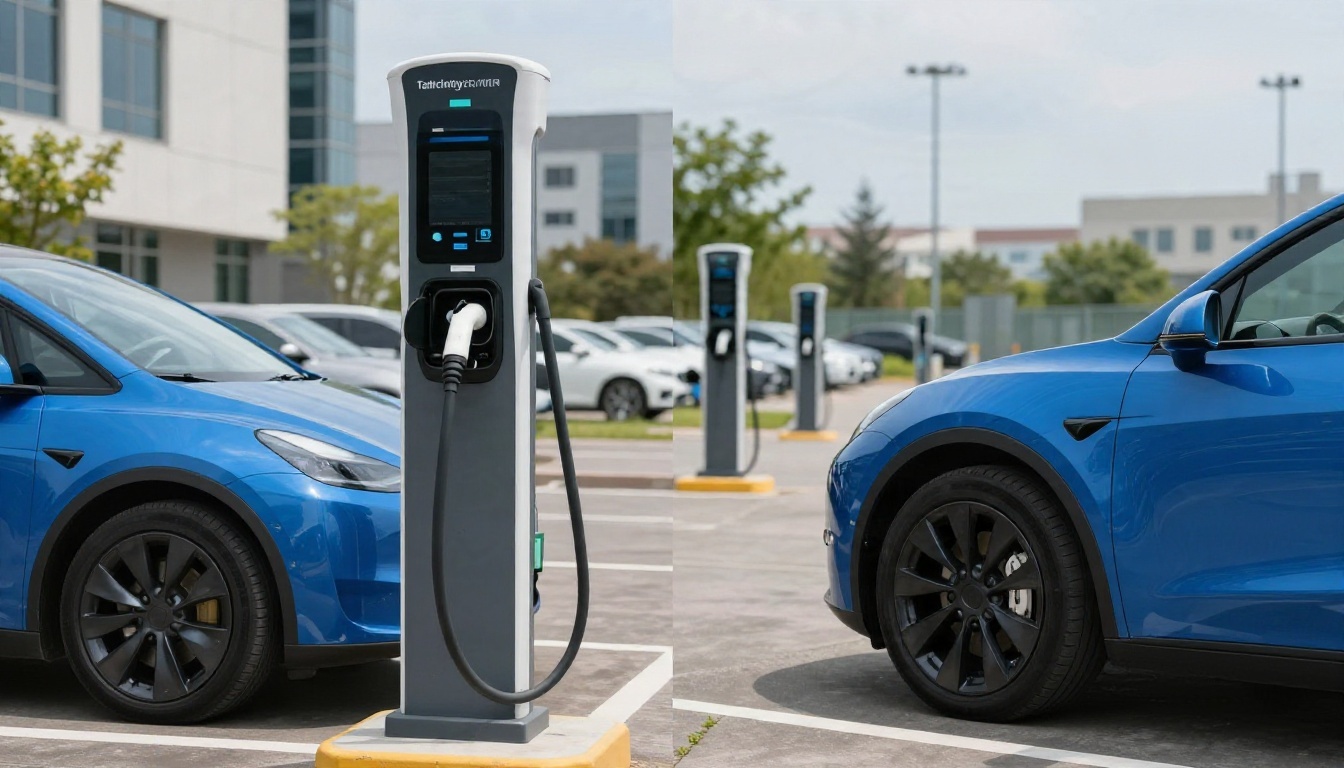
Do You Need a Smart EV Charger for Off-Peak Rates?
EV charger off-peak rates depend on your utility tariff, not the charger alone. Compare whole-home costs, incentives, and schedules before upgrading.
As an Amazon Associate, EV Charging may earn from qualifying purchases. This helps support our independent guides at no extra cost to you. Learn more.
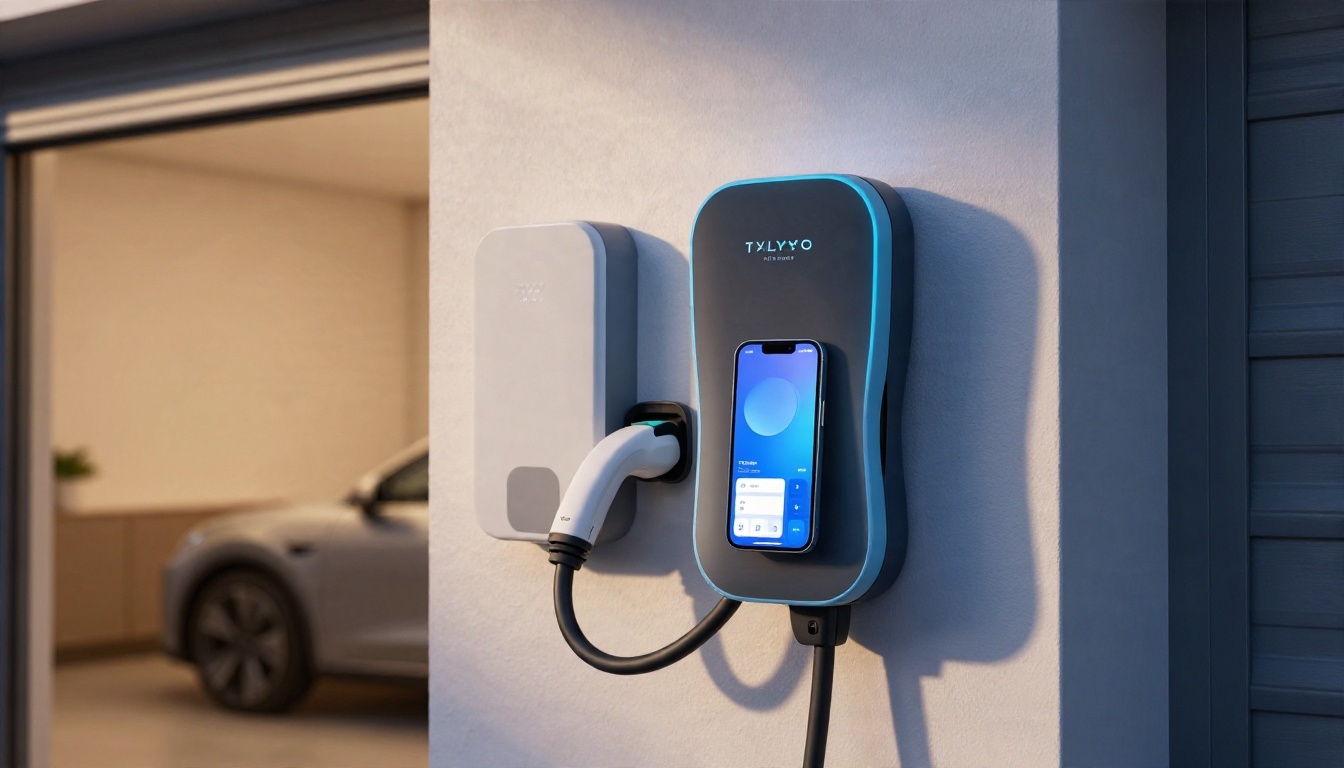
Most EV owners can use off peak electricity rates with a vehicle's charging timer and compatible equipment.
Some utility incentive programs require approved connected equipment or vehicle integration. And a cheaper charging session doesn't automatically mean a cheaper household bill.
Start with the rate plan, then decide whether the equipment earns its place.
This post may contain affiliate links. If you make a purchase through these links, I may earn a small commission at no extra cost to you.
Key Takeaways
- A vehicle's built-in charging schedule can be enough for ordinary time-of-use pricing. A connected charger becomes necessary only when your setup or utility program requires it.
- Off-peak prices, EV discounts and charging credits are different things. A 2-cent credit doesn't mean electricity costs 2 cents.
- Compare the whole household bill before switching plans. Evening air-conditioning, cooking and water heating can eat into your charging savings.
When a Smart EV Charger Is Worth Buying
A smart charger adds controls, connectivity and reporting. Those features can be useful, but the charger doesn't create the electricity discount. Your enrolled rate plan or incentive program does.
When the Car's Timer Is Enough
If your vehicle supports scheduled charging, you can plug in after work and let the car wait until the cheaper period begins. The car's timer controls when a level 2 charger supplies power, not the tariff you pay.
Tesla vehicles, including the Model Y, offer scheduling through their vehicle controls and app. That means Tesla owners don't automatically need a connected wall unit for time-of-use savings.
The important distinction is whether you're receiving ordinary meter-based pricing or participating in a separate incentive program. A household TOU meter generally prices electricity by time, regardless of which compatible charger supplied it.
When Connected Equipment Adds Value
Some programs need charging-session data from an approved vehicle connection or compatible charger. Equipment eligibility can determine whether you receive the incentive.
A smart charger may also offer charging that adjusts to available on-site generation, usage reports or load management. Those are separate benefits from a simple overnight timer.
Before paying extra, identify which feature you need. Our smart charger scheduling comparison looks more closely at app controls and tariff savings. Another app needs to earn its place on your phone.
How Off-Peak EV Charging Rates Work
Off-peak hours are lower-priced periods within a time-of-use, or TOU, electricity plan. Utilities commonly place them late at night and early in the morning, when overall demand is lower. Your utility company sets the electricity rates and schedule. Check your utility provider's tariff, since off-peak and peak hours vary by plan.
Some plans also reward midday use, particularly where daytime generation is plentiful. Midnight doesn't have a universal discount attached to it.
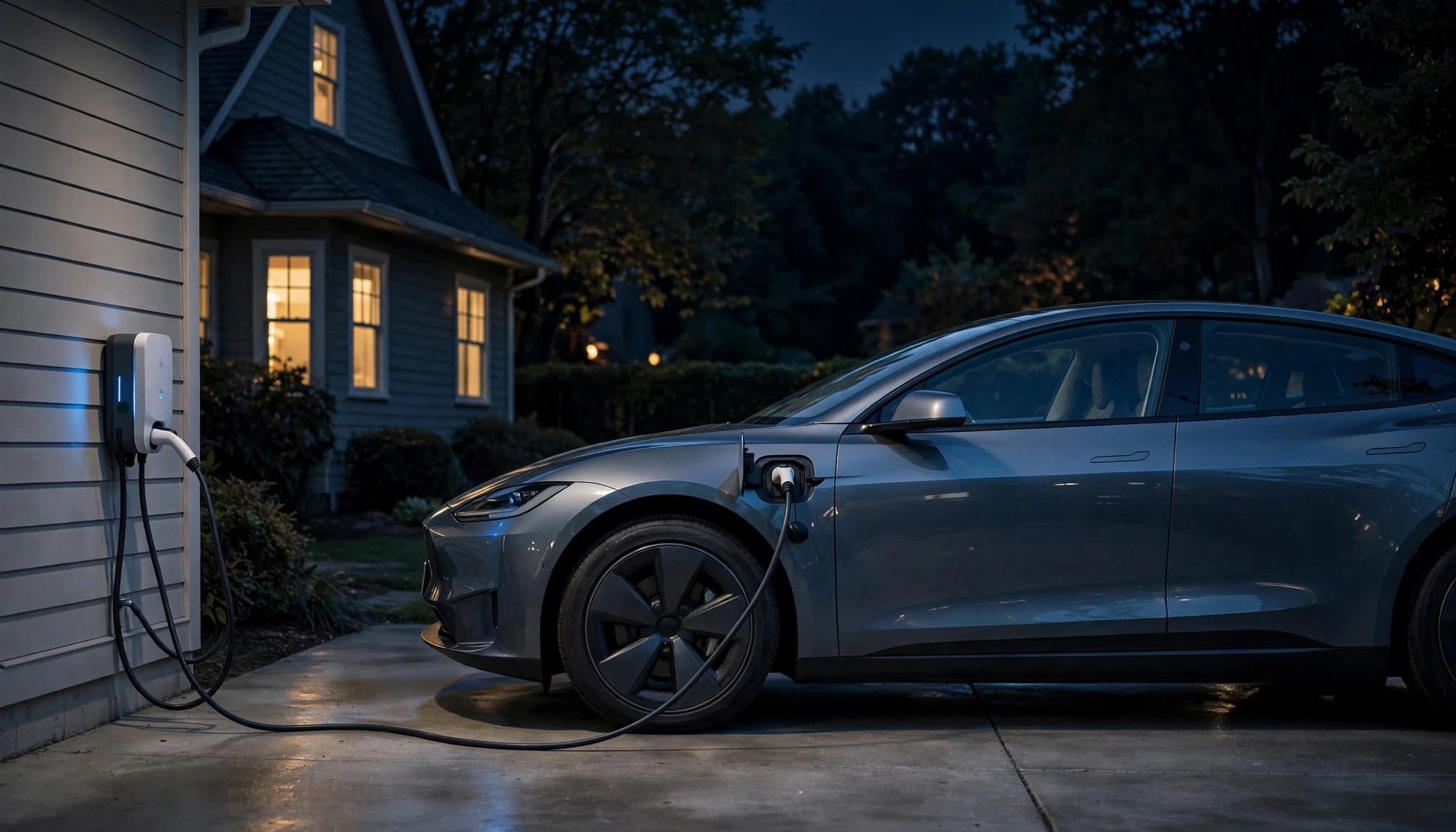
On a flat-rate plan, the energy price stays the same throughout the day. Moving charging to 11 p.m. won't reduce that price unless a separate incentive applies.
Also separate kW from kWh. Kilowatts measure charging power; kilowatt-hours measure energy purchased. Your energy charge generally comes from multiplying kWh by the applicable price.
A faster charger can finish sooner. It doesn't automatically make each kWh cheaper.
US Utility Rates and Credits Compared
These researched examples show how electricity rates and peak hours vary by utility provider. They aren't statewide guarantees or complete household bills.
| Utility and Program | Cheaper Charging Window | Price or Incentive |
|---|---|---|
| Southern California Edison, TOU-D-PRIME | Summer off-peak: 9 p.m. to 4 p.m. the following day | $0.26/kWh off-peak versus $0.61/kWh weekday peak, June through September |
| El Paso Electric, Texas residential Alternative Time-of-Day | Summer off-peak: outside weekday 2 p.m. to 7 p.m., Mountain Daylight Time | $0.08638/kWh off-peak versus $0.31826/kWh peak, June through September |
| National Grid, Massachusetts Off-Peak Charging Program | 9 p.m. to 1 p.m. the following day | $0.05/kWh incentive June through September; $0.03/kWh in other months |
| Atlantic City Electric, Off-Peak Charging Credit | Weekdays 8 p.m. to 8 a.m.; all weekend | $0.02/kWh credit for qualifying net off-peak charging |
| Public Service Company of Oklahoma, EV Rate | Super off-peak: 11 p.m. to 6 a.m. daily | Lower overnight pricing under its EV rate |
SCE's EV rate page shows summer weekday peak pricing from 4 p.m. to 9 p.m. El Paso Electric's cheaper overnight period starts at 7 p.m., the end of its summer weekday peak period.
National Grid's Massachusetts charging incentive and Atlantic City Electric's net off-peak charging credit reduce qualifying costs. Neither figure is the full electricity price.
PSO's EV rate program offers its overnight window year-round. Compare complete tariffs separately from credits.
Calculate Your Monthly and Annual Savings
Start with energy purchased at the wall to estimate your monthly EV charging cost. That's what the meter bills, including energy lost during charging.
Estimate Energy From Your Mileage
When efficiency is expressed in miles per kWh, divide monthly mileage by that figure. If the figure measures battery energy, allow for charging losses.
For an explicitly assumed example of 1,000 miles monthly, 3.5 miles per battery kWh and 90% charging efficiency:
Monthly wall energy = 1,000 ÷ 3.5 ÷ 0.90 = about 317 kWh.
Don't add losses again if your starting consumption figure already includes them. EPA label electricity consumption incorporates charging losses; a dashboard efficiency reading may measure a different boundary.
For a broader fuel-budget comparison, our EV versus gas savings calculator separates home and public charging.
Work Through the Model Y Example
To estimate EV charging cost for a Tesla Model Y Long Range RWD, assume 300 kWh of billed home charging per month. This is a calculation assumption, not a model-year efficiency specification.
At $0.40/kWh, monthly charging costs $120. At $0.15/kWh, the same energy costs $45.
That's $75 saved monthly, or $900 annually. Annual charging energy costs would be $1,440 at the higher price and $540 at the lower price.
Those figures exclude equipment, installation and changes elsewhere in the household bill. They also assume all 300 kWh move into the cheaper window. If you shift only half, the energy savings fall to $37.50 monthly.
Should You Switch to a Time-of-Use Plan?
A time-of-use plan works best when you can move substantial electricity use into cheaper hours. A flat-rate plan can suit a household whose biggest loads run whenever life requires them.
Compare the Whole House
A whole-house TOU tariff usually affects more than the car. Your oven, dryer, air-conditioning and electric water heater may use more power during peak hours.
If charging saves $75 monthly but other household use costs $50 more, the net saving is $25. That's still useful. It's also a different buying decision.
Use interval-meter consumption to compare the same household usage under both tariffs. Include supply, delivery, seasonal periods and any change in fixed charges. Keep EV-specific credits separate so they don't get counted twice.
Our guide to EV charging and household bills explains why the car shouldn't get blamed for every seasonal increase.
Understand Any Demand Charge
A demand charge is based on your highest measured electricity demand during a defined interval, rather than total kWh consumed. It doesn't apply to every residential plan.
Running a charger alongside several large appliances can raise that measured peak. Scheduling may help, but the tariff determines which hours and intervals count.
A cheap overnight energy price can coexist with other charges. Compare the complete bill before assigning all the savings to the charger.
Set an Off-Peak Charging Schedule That Works
One schedule in charge is usually easier than two schedules negotiating with each other.
- Match your bill's rate code to its residential tariff. Record weekday, weekend, seasonal and super-off-peak windows, including the applicable off-peak hours and any incentive-program equipment requirements.
- Choose the vehicle or charger as the scheduling controller. Disable competing timers unless the manufacturer or program requires them.
- Set the permitted charging window. A departure-time setting alone may prioritize a full battery over staying entirely inside cheaper hours.
- Set the vehicle's recommended daily charge limit. Leave enough time for the energy you need, rather than automatically selecting the largest possible refill.
- Observe a normal session in the charging history. Include any energy used for plugged-in cabin or battery preconditioning.
- Compare billed charging energy and credited incentives with the schedule. App-estimated savings aren't a substitute for the resulting bill.
For planning, 30 kWh of wall energy at a steady 7.2 kW takes about 4.2 hours. With a level 2 charger, check whether the energy you need can fit within the eligible window. Battery temperature, vehicle limits and charging behavior can change actual time.
Our home charging time calculator helps estimate whether your refill fits the window.
Installation and electrical faults belong with a qualified electrician or the manufacturer. Stop using equipment that overheats, shows damage or repeatedly trips protection. Don't bypass those protections to preserve a cheap charging session.
Solar Can Make Midday Charging Cheaper
If your car is home while rooftop solar is generating, daytime charging deserves a place in the calculation.
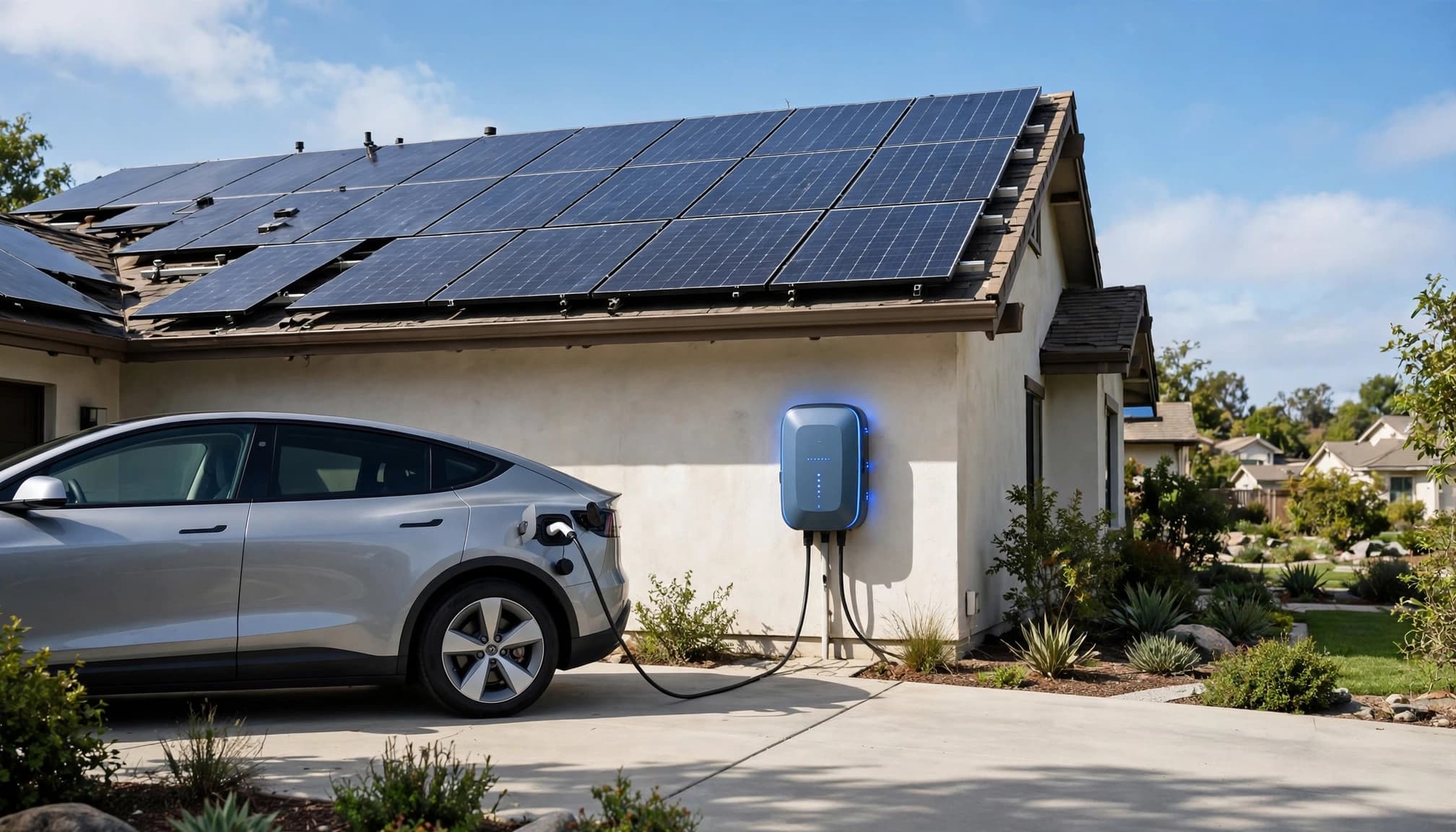
Surplus generation can supply charging with little or no additional grid purchase. But that electricity isn't automatically free. Using it in the car may mean giving up an export credit.
Compare that forgone credit with the all-in overnight import price. If exported electricity earns less than overnight charging costs, using the power directly may leave you ahead. A generous export arrangement can reverse that result.
A fixed vehicle timer can target midday. A solar-responsive charger can adjust charging around available surplus, provided the system supports that integration.
The practical question is whether your car is there when the system is generating. A sophisticated feature doesn't help much if the driveway is empty every weekday.
What the Grid and Battery Research Says
Your cheapest charging hour and the grid's most helpful charging hour don't always line up. Battery care adds another consideration, but it doesn't require fear around every plug-in.
Daytime Charging Can Help a Solar-Rich Grid
Stanford researchers' 2022 study in Nature Energy modeled the Western US electricity system through 2035. Shifting charging toward daytime workplaces and public locations improved several grid outcomes by aligning demand with that generation.
One scenario with 50% EV adoption and synchronized 9 p.m. home timers increased peak net electricity demand by up to 25%. That is a scenario result, not a universal forecast.
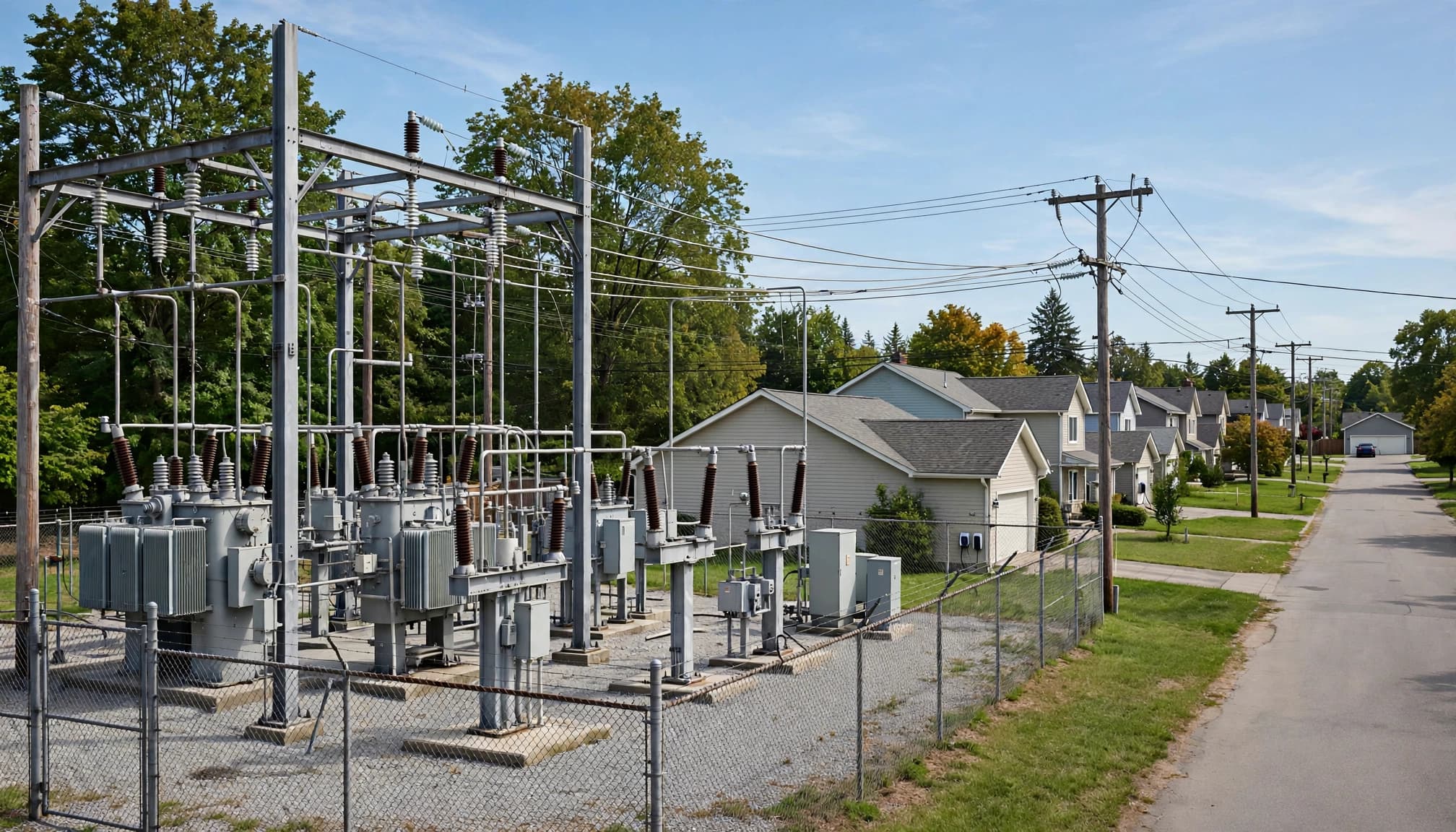
Local transformers and substations still matter. However, this regional study doesn't establish a general claim that overnight charging overloads nearby substations.
Regular Charging Isn't Automatically Harmful
Temperature, energy throughput, time and state of charge all affect battery health. More energy cycled through a battery contributes to wear, but counting plug-in sessions alone tells you little.
Moderate temperatures are preferable to prolonged extremes. Avoid leaving the battery near empty or full for extended periods when the manufacturer advises against it.
Tesla's battery-care guidance supports regular charging. Daily limits differ by vehicle and battery configuration, so an 80% target isn't universal.
Sources and Scope
The utility comparisons above separate published energy charges from charging incentives. They don't include every household's taxes, delivery adjustments, or eligibility conditions. Check your utility’s current tariff for off-peak hours, rates and eligibility before estimating your savings.
The DOE's EV benefits guidance provides broader operating-cost context. The grid discussion draws on Stanford's 2022 modeling, while battery guidance comes from Tesla's Model Y documentation. These sources don't establish a universal cheapest charging hour for every US driver.
Frequently Asked Questions
Is Electricity Always Cheaper at Night?
No. A flat-rate plan charges the same energy price all day. Some TOU plans offer cheaper midday periods, while others favor overnight charging. A separate EV incentive may reduce qualifying charging costs without changing the household's underlying rate.
How Much Does Home EV Charging Cost Per Year?
At an assumed 300 billed kWh monthly, annual energy use is 3,600 kWh. That costs $540 at $0.15/kWh or $1,440 at $0.40/kWh. These are energy-only calculations. Public charging, installation and plan-specific fees need separate treatment.
Can I Get Off-Peak Savings With Level 1 Charging?
Yes, if the vehicle can schedule charging and the applicable tariff or incentive permits your setup. The limitation is speed. Level 1 charging may not replace enough energy during a short cheap window, particularly after a long driving day.
Will a Smart Charger Pay for Itself?
Only its additional benefits count toward its payback. If your car's timer already captures the same TOU savings, those savings don't justify the smart charger's price premium. Eligible incentives, load management or solar integration may provide separate financial value.
Choose the Schedule Before the Charger
You can often capture off-peak savings with the vehicle and charging equipment you already have. The deciding factors are your tariff, your schedule and any program requirements.
Calculate the energy you can move, then compare the whole household bill. Buy connected equipment when it solves a real limitation or qualifies you for a worthwhile benefit.
A reliable timer and the right rate can do plenty of work together. The charger doesn't need to be cleverer than the job requires.
Safety note: This article is general information, not professional electrical advice. Working with 240V circuits can cause serious injury or fire. Hire a licensed electrician and follow local codes and permit requirements.
Sources & further reading

Written by
LarryLeoLarryLeo started EV Charging while researching his own next car purchase. He digs into the pros, cons and real cost savings of going electric — using government, standards-body and manufacturer sources — and shares what he finds so other buyers can decide with confidence.
Why trust EV Charging Guide
Our guides are researched from government, standards-body and manufacturer sources, reviewed for accuracy, and updated when rules or products change. Brands cannot pay for placement. Read our editorial policy.
Related Posts

Bidirectional Charging Explained: Which EVs Support It?
NEMA 14-50 vs Hardwired EV Charger: Which Installation Is Better?