Compare Home EV Charger Warranties Before You Buy
EV charger warranties can exclude electrician labor, shipping, or cables. Compare start dates, exclusions, claim steps, and extra-year costs before you buy.
As an Amazon Associate, EV Charging may earn from qualifying purchases. This helps support our independent guides at no extra cost to you. Learn more.
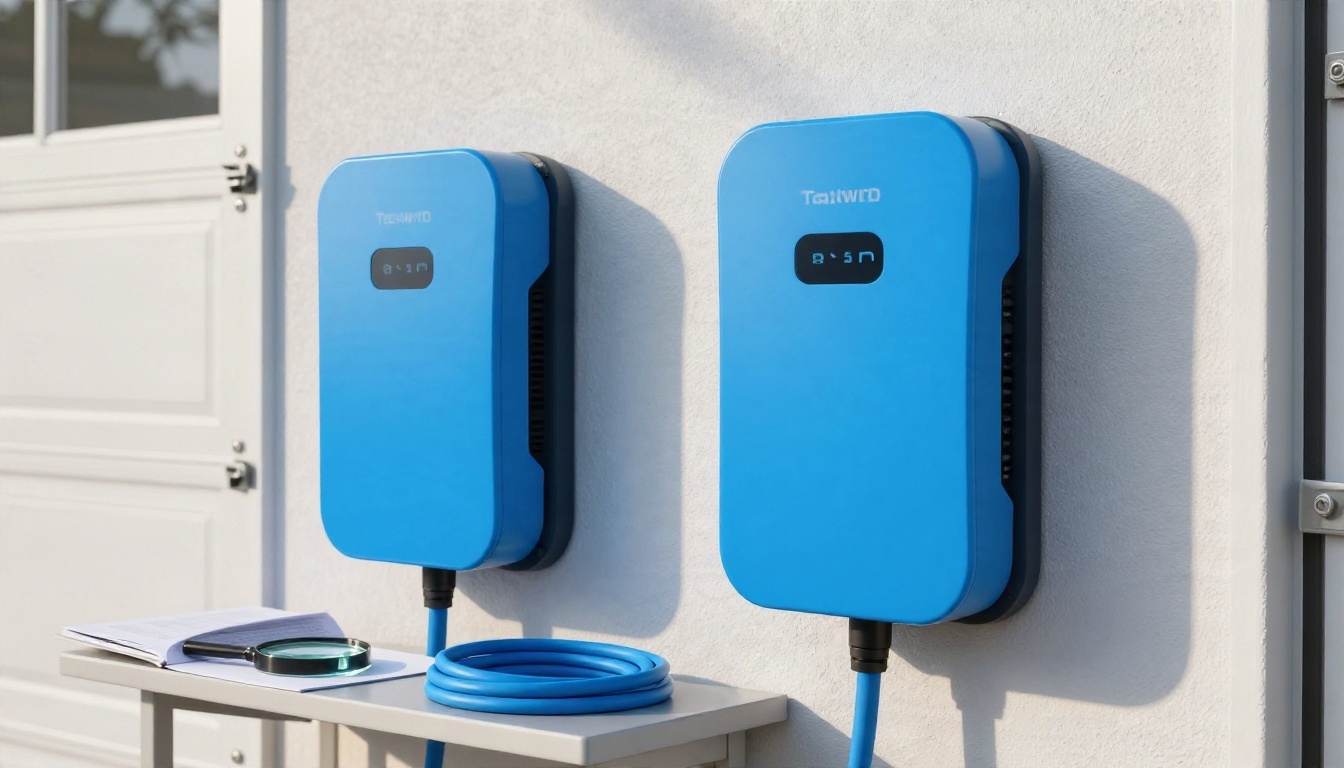
Compare an EV charger warranty by the failures it covers, when coverage starts, and the costs you'll pay out of pocket. A longer warranty for a residential EV charger can still leave you paying for electrical labor, shipping, or a replacement cable, so coverage scope matters as much as the number of years.
You want protection that works when the charger stops working, without a second surprise on the electrician's invoice. Start with the written contract, then compare the costs, paperwork, and service process.
This post may contain affiliate links. If you make a purchase through these links, I may earn a small commission at no extra cost to you.
Key Takeaways
- Compare parts, shipping, diagnosis, and removal or reinstallation labor separately. "Replacement covered" doesn't necessarily cover the whole job.
- Count additional protected years, rather than the headline term. A six-year plan starting at purchase overlaps a three-year manufacturer warranty.
- Keep the receipt, model and serial number, installation records, and warranty version. Some extended plans also require activation documents before a deadline.
The useful question is simple: after an eligible failure, how much money and effort still belong to you?
Compare EV Charger Warranties on Equal Terms
These researched examples compare included base coverage, often called a standard limited warranty, across different markets and equipment categories. Pod Point's UK offer and Legrand's networked commercial charging station aren't direct comparisons for a US home charger.
| Product or Offer | Published Base Coverage | Important Distinction |
|---|---|---|
| ChargePoint Home Flex | Three-year limited parts-exchange warranty | On-site removal and reinstallation labor are excluded. |
| Wallbox Pulsar Plus, US | Three years | Coverage addresses qualifying defects under normal use. |
| Pod Point, direct website purchase | Five years for its home and workplace chargers | UK offer starting at installation. |
| Legrand LNA-EVC1-48-XX1, networked Level 2 charger | One year from completion of the original installation or two years after purchase, whichever comes sooner | Commercial charging station with separate extension options. |
Wallbox's North American warranty guidance names Pulsar Plus among its three-year products.
The takeaway? A duration-only ranking misses differences in geography, eligibility, labor, and service. Our home charger model comparison covers the equipment choices; warranty terms deserve their own comparison alongside them.
Find the Date That Starts the Clock
Purchase-Based Coverage
A charger sitting unopened in your garage can already be using its warranty period. Wallbox's US terms run for three years from purchase.
ChargePoint's store warranty policy references original purchase or delivery. That wording matters when shipment, setup, and first use happen on different dates.
Keep purchase and delivery records together. Don't substitute the app activation date just because that's when charging began.
Installation-Based Coverage and Earlier Cutoffs
Pod Point says many chargers include around three years, with paid extensions available. Its direct-purchase UK offer includes a 5-year warranty starting when the unit is fitted, so it isn't directly comparable to a US home-charger warranty.
Legrand uses two deadlines: one year after original installation or two years after purchase, whichever arrives first. Long storage before the unit is put into service can therefore reduce the usable post-installation period.
"Five years total" and "five extra years" also mean different things. Put the actual expiration date beside each offer before comparing prices.
Separate Hardware Coverage From Electrical Labor
Parts Exchange Doesn't Cover Every Visit
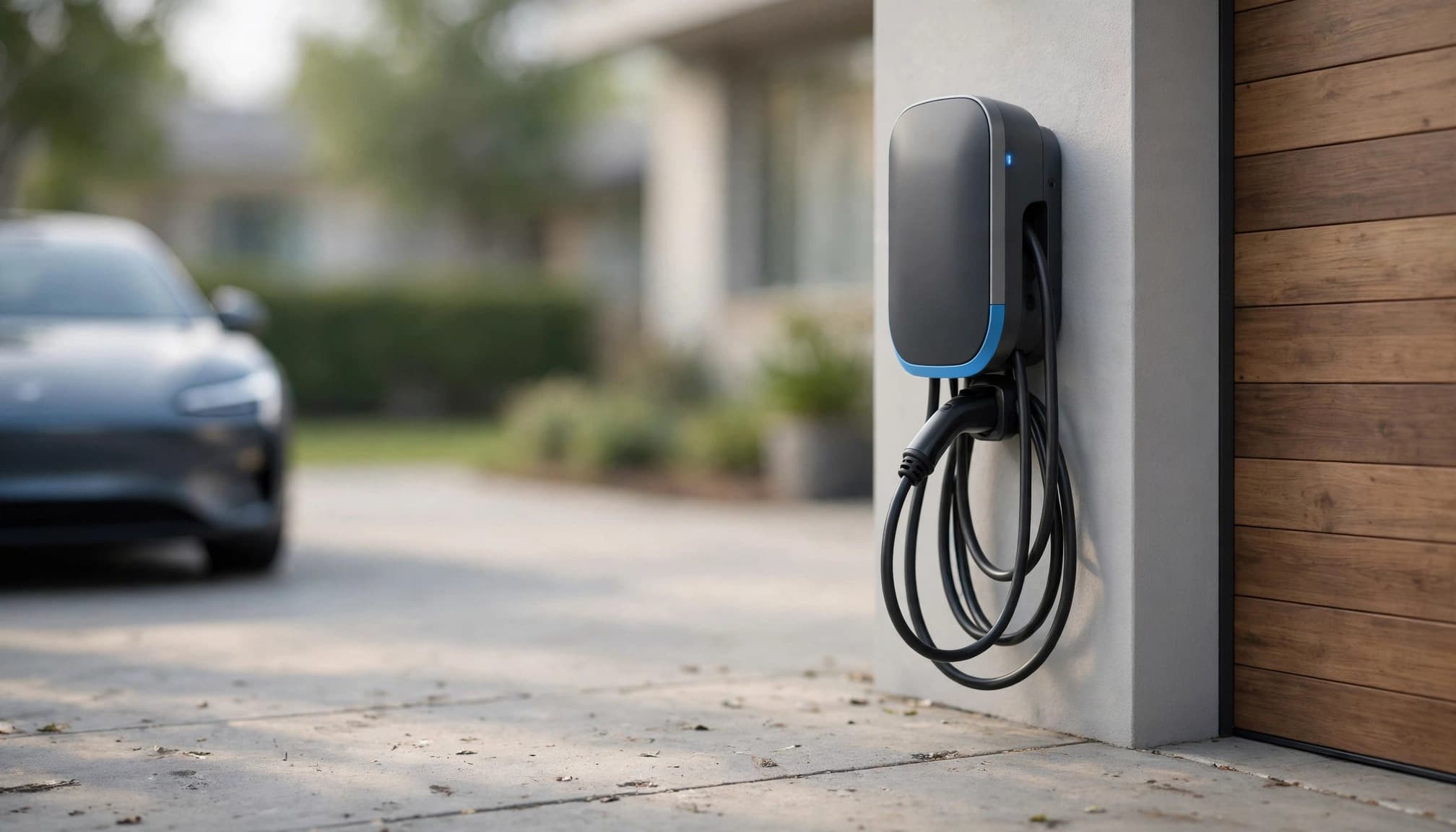
ChargePoint's Home installation guide describes parts and factory labor coverage, but excludes on-site labor to uninstall or reinstall the station. ChargePoint pays to ship the repaired or replacement station back.
Factory labor happens at the service facility; your electrician's visit happens at your house. Check whether the contract requires factory-authorized service and what it covers. Those are separate expenses, even when the replacement charger itself costs you nothing.
Shipping direction matters, too. Wallbox's US terms put outbound shipping on the customer and return shipping on Wallbox.
Installation Work Has Separate Responsibilities
The manufacturer's warranty generally covers the charging equipment. The installer's workmanship agreement covers electrical work within its written scope.
External wiring, breakers, receptacles, permits, and panel work don't become manufacturer-covered parts just because they support the charger.
Our installation cost guide separates those project expenses. For warranty comparisons, identify who pays for diagnosis and reconnection before treating a replacement unit as a complete remedy.
Read Exclusions Against Your Actual Risks
Damage and Wear Can Fall Outside Coverage
Pod Point excludes accidental damage, wear and tear, tampering with the installed device, and unintended use. A connector damaged by being driven over is different from an internal manufacturing defect.
Consumer Priority Service (CPS) lists exclusions for cosmetic damage, wear items, and parts it classifies as non-functional, including cables, housings, and indicator lights. That deserves attention. A cable can be essential to charging while still being excluded under a particular contract.
CPS also excludes setup errors, external wiring, and software and data issues. A protection plan won't necessarily pay because the symptoms appeared at the charger.
External Events and Software Need Separate Attention
Legrand's extended warranties exclude vandalism, power surges, electromagnetic field exposure, acts of nature, and use with software or parts not supplied by Legrand.
A weather-rated enclosure doesn't automatically mean storm damage is covered. Likewise, hardware coverage doesn't promise permanent cloud service, app compatibility, or uninterrupted connectivity.
An expensive failure can still be excluded. Repair cost and claim eligibility are separate questions.
For US consumer products, the FTC's warranty guidance explains written warranties and consumer protections. An exclusion in a contract doesn't erase rights that applicable law provides.
Complete Activation While Installation Records Are Available
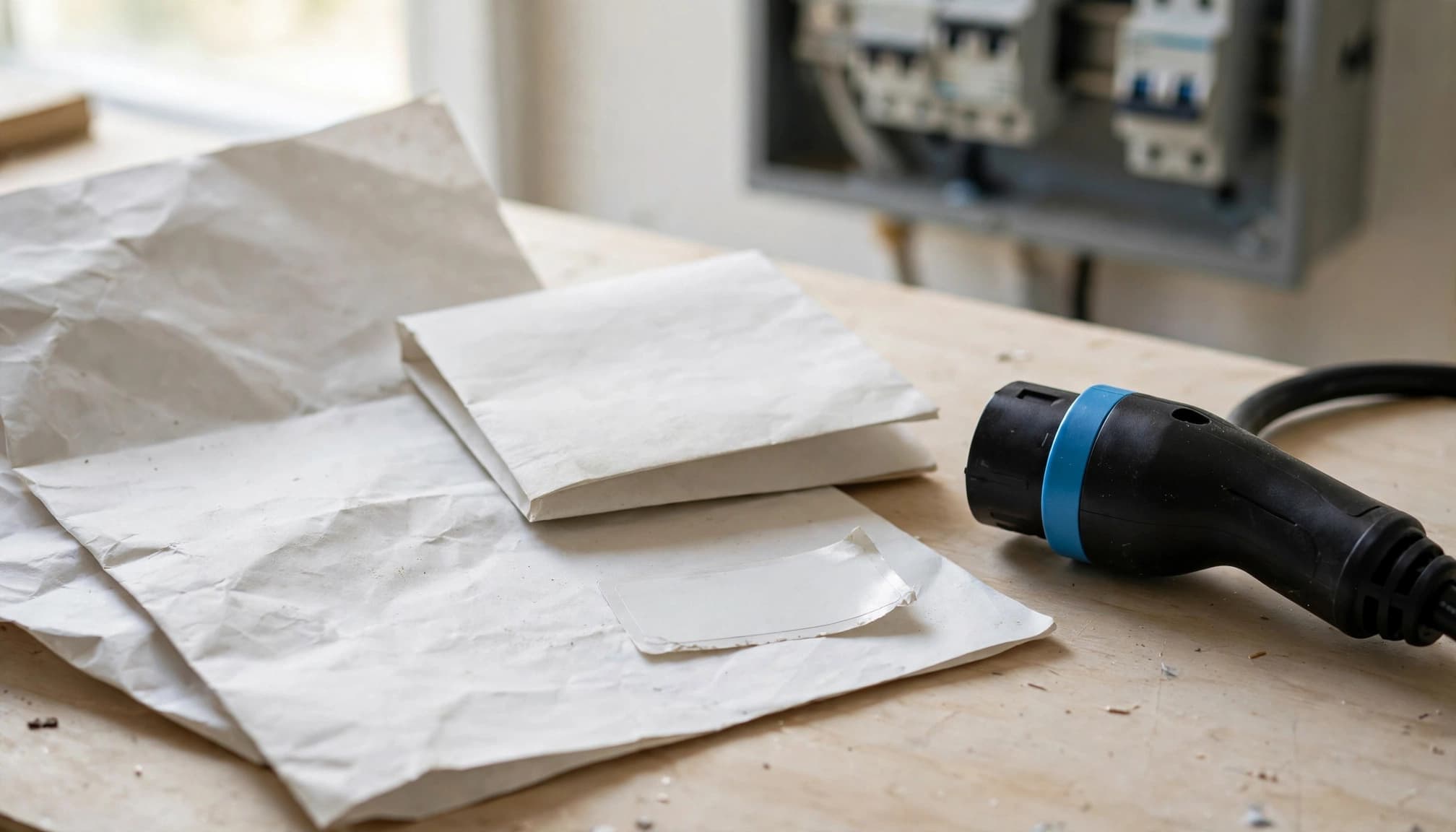
Not every warranty requires registration. Some extended plans require much more than an email address.
Legrand requires an activation package within six months of the finished installation date. Its requirements include photographs from two sides of the charger, wiring, the electrical panel and breakers, the factory sales order number, and each serial number.
For plans with documentation requirements, keep the sequence straightforward:
- Save the purchase invoice, applicable warranty, model number, serial number, and completion date.
- Have the qualified installer provide required electrical photographs and commissioning records. Don't open electrical equipment yourself for warranty photos.
- Submit the required package before its deadline and retain the submission and acceptance records.
The Legrand warranty document also requires a return merchandise authorization (RMA) number from customer service before warranty service.
Registration paperwork and a later RMA serve different purposes. Completing one doesn't replace the other.
Count Extra Years and Per-Charger Charges
Legrand's extension names describe total coverage, not additional years.
LNA-EVC1-48-EW3 adds two years beyond the standard one-year after-installation warranty, for three years total. LNA-EVC1-48-EW5 adds four years, for five years total.
The extensions are sold per charger. Two chargers on one pedestal require two extended warranties. Count covered units before comparing a quoted plan price.
CPS advertises residential coverage up to six years from purchase and commercial coverage up to 15 years total. Those are different equipment categories, not interchangeable residential offers.
For a charger with three years of manufacturer coverage, a six-year extended warranty may add only three calendar years beyond that base period. It may also provide benefits during overlapping years, but the contract needs to state those benefits.
An extended term also doesn't automatically expand coverage to accidents, cables, electrical work, or software. More years can mean more years of the same exclusions.
Put Repair Estimates in Their Proper Context
CPS publishes the following retail repair ranges and failure windows. These are a protection-plan seller's figures, not independent failure-rate research or guaranteed repair quotes.
| Repair Category | CPS Retail Estimate | CPS Reported Timing |
|---|---|---|
| Residential power supply failure or relay failure | $450 to $850 | Three to six years after purchase |
| Commercial control board or charging module | $1,200 to $3,500+ | Three to seven years |
| Refurbished or open-box equipment | $400 to $1,000 | First one to three years |
The commercial figures shouldn't become a scare tactic for buying residential coverage. Different equipment has different repair economics.
CPS's repair and protection-plan discussion suggests replacement becomes more practical when repairs approach 40% to 60% of replacement value. Treat that as its rule of thumb.
For post-warranty repairs, compare the repair quote with the cost of a compatible replacement, installed and operating. Existing wiring may remain useful, but removal, reconnection, permits, or commissioning can change the total.
Refurbished chargers and open-box equipment deserve a warranty eligibility review. A low purchase price doesn't establish that manufacturer or third-party coverage applies.
Calculate Whether an Extended Plan Earns Its Price
There isn't a reliable savings calculation without a failure probability and the contract's actual payout rules. You can still calculate the break-even threshold.
Use this relationship:
Break-even covered-failure probability = plan price ÷ net avoided expense
Here's an illustrative calculation with labeled assumptions, not a provider quote: a $120 plan, one otherwise eligible $600 repair during the added coverage period, a $50 deductible, and full reimbursement of the remaining repair bill.
The net avoided expense is $550. Dividing $120 by $550 gives about 22%. Under those assumptions, the chance of that covered repair would need to exceed roughly 22% for expected reimbursement to exceed the premium.
That calculation changes if the plan excludes labor, caps payouts, depreciates equipment, or replaces the charger instead of repairing it. Coverage during years already protected by the manufacturer also needs separate treatment.
CPS's reported repair windows and claims data don't establish your charger's failure probability. They describe timing for the claims CPS discusses, not the percentage of all installed chargers that fail.
Budget certainty can still matter to you. Just keep that preference separate from a claim that the plan will save money.
Account for Home Sales and Company Changes
Transferability and Replacement Coverage
ChargePoint's Home warranty document describes coverage for the original purchaser and says it's nontransferable. A charger included in a home sale therefore doesn't necessarily bring its original warranty along.
Replacement equipment may also inherit the old expiration date rather than start a fresh term. ChargePoint's document provides the remaining original period or 90 days after delivery, whichever is later.
Keep the original and replacement serial numbers, delivery records, and claim correspondence together. Those dates can matter after a second failure.
Manufacturer Closure and Lost App Support
The contract should identify the company legally responsible for paying claims. A retailer, manufacturer, administrator, and insurer can have different roles.
A third-party plan isn't automatically protected against manufacturer closure. Its value depends on the obligor's responsibilities and whether it can arrange service or replacement without the original manufacturer.
For a networked charger, hardware warranty coverage doesn't automatically guarantee ongoing cloud services, scheduling, remote access, or app support. Offline operation and software support deserve attention alongside the warranty period.
File a Claim Without Creating Another Problem
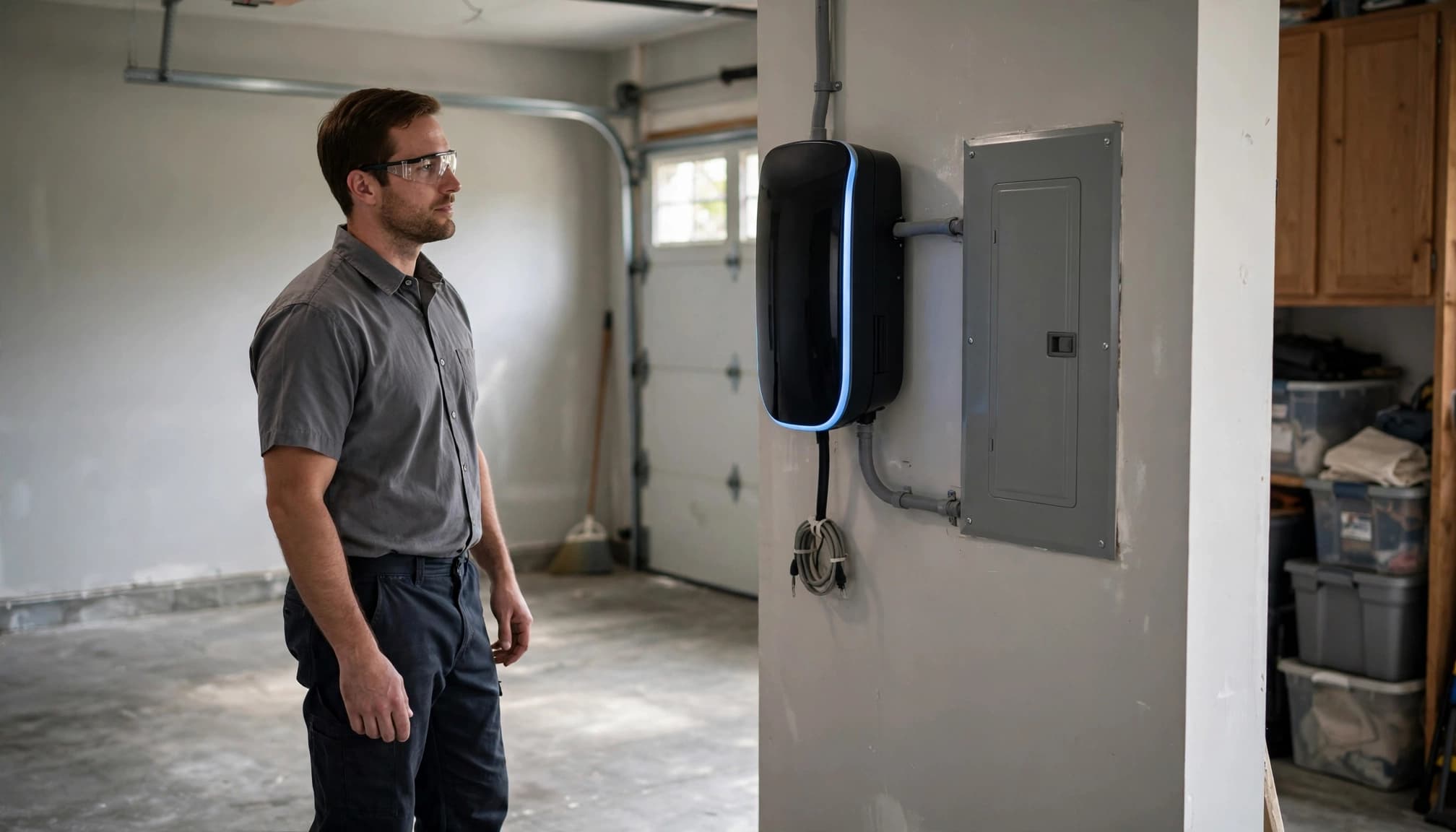
When a charger fails, preserve evidence before changing anything. A fault message can help distinguish an equipment problem from a vehicle, network, or electrical-supply problem.
- Record the symptoms, error messages, dates, and visible condition without opening the enclosure.
- Contact the warranty provider with the invoice, serial number, installation record, and any activation confirmation.
- Complete only manufacturer-approved troubleshooting that's safe for an owner. Obtain required service authorization before arranging a repair or return.
- Keep the claim number, shipping instructions, written coverage decision, and any approved reimbursement amounts.
For Legrand, an RMA number is required before warranty service. Don't assume an independently arranged repair will be reimbursed afterward.
Stop using damaged equipment or equipment showing overheating, burning smells, or repeated electrical faults. Repeated breaker trips need attention from a qualified electrician and the manufacturer. Don't bypass protections or keep resetting a fault to finish charging.
If coverage is denied, request the contractual reason in writing. That gives you something concrete for an appeal or consumer complaint.
Sources Behind the Comparison
Manufacturer contracts establish eligibility and remedies; seller estimates provide a different kind of evidence. Pod Point's warranty start-date wording documents its start-date approach. The FTC's federal warranty guide explains the US legal framework.
CPS's repair costs and timing remain commercially published claims. They aren't evidence of an average home charger's lifespan or an individual owner's failure risk.
Frequently Asked Questions
Which Home EV Charger Has the Longest Warranty?
This comparison doesn't establish a US market-wide winner. The named US residential products, ChargePoint Home Flex and Wallbox Pulsar Plus, publish three-year coverage. Pod Point's five-year direct-purchase offer concerns its UK market. CPS advertises up to six years of residential protection, but that's a separate protection plan, not the same thing as included manufacturer coverage.
What Is the Average Lifespan of a Home EV Charger?
The cited warranty documents don't establish a dependable average lifespan. A warranty is a contractual coverage period, not a prediction of when equipment will fail. Climate, workmanship quality, cable handling, use, and parts or software support affect serviceability. Public fast-charger reliability findings shouldn't be treated as a home Level 2 lifespan estimate.
Can Home EV Chargers Be Repaired After Warranty Expiration?
Yes, some faults can be repaired, depending on parts availability and the manufacturer's service process. An authorized service provider may replace components, while other products are handled through whole-unit exchange. Compare the complete repair quote with an installed replacement. Leave internal electrical diagnosis and repairs to qualified professionals.
Choose Coverage That Reduces Your Remaining Bill
The strongest warranty for your situation has a clear remedy, useful coverage, and manageable costs after a failure. Extra years help only when the likely problem falls within the contract.
Compare the expiration date, exclusions, labor responsibilities, and claim requirements beside the plan price. Then buy for the protection you'll actually receive, with a clear understanding of the expenses that remain yours.
Sources & further reading

Written by
LarryLeoLarryLeo started EV Charging while researching his own next car purchase. He digs into the pros, cons and real cost savings of going electric — using government, standards-body and manufacturer sources — and shares what he finds so other buyers can decide with confidence.
Why trust EV Charging Guide
Our guides are researched from government, standards-body and manufacturer sources, reviewed for accuracy, and updated when rules or products change. Brands cannot pay for placement. Read our editorial policy.