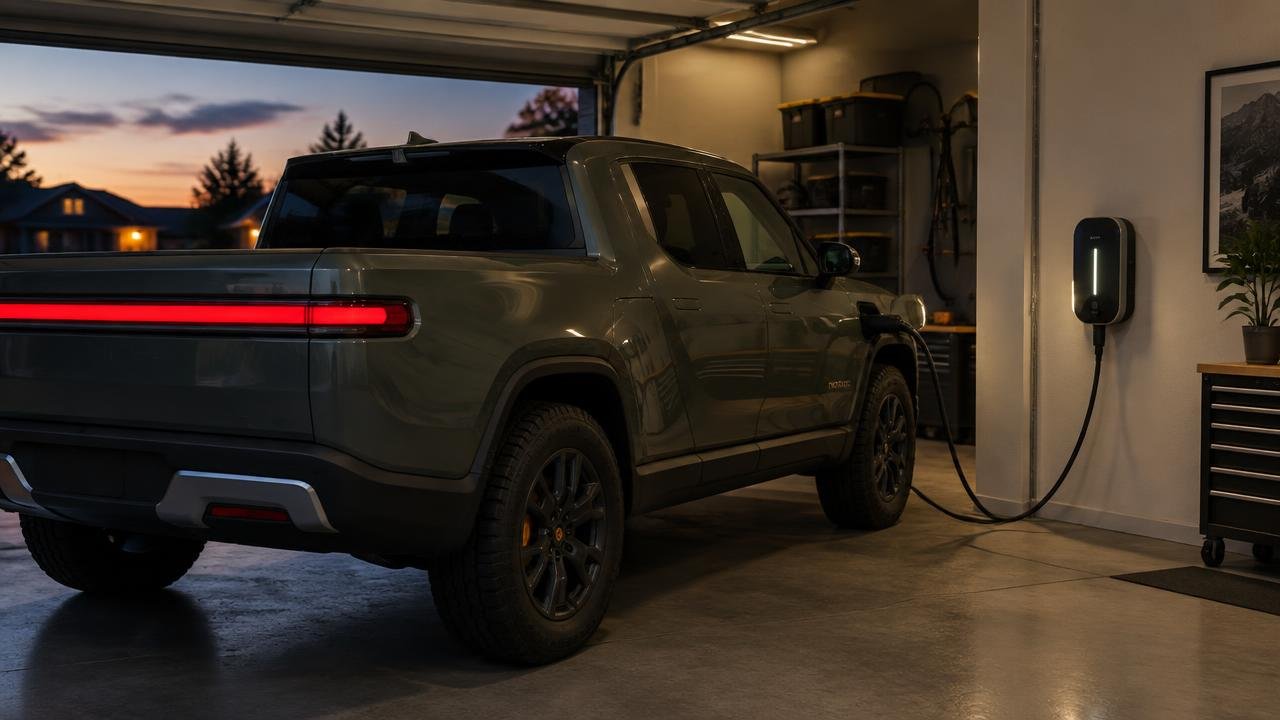
Do You Need a Wi-Fi EV Charger for Off-Peak Charging?
You may be able to schedule off-peak charging in the car without a Wi-Fi charger. Check your tariff and required features.
As an Amazon Associate, EV Charging may earn from qualifying purchases. This helps support our independent guides at no extra cost to you. Learn more.
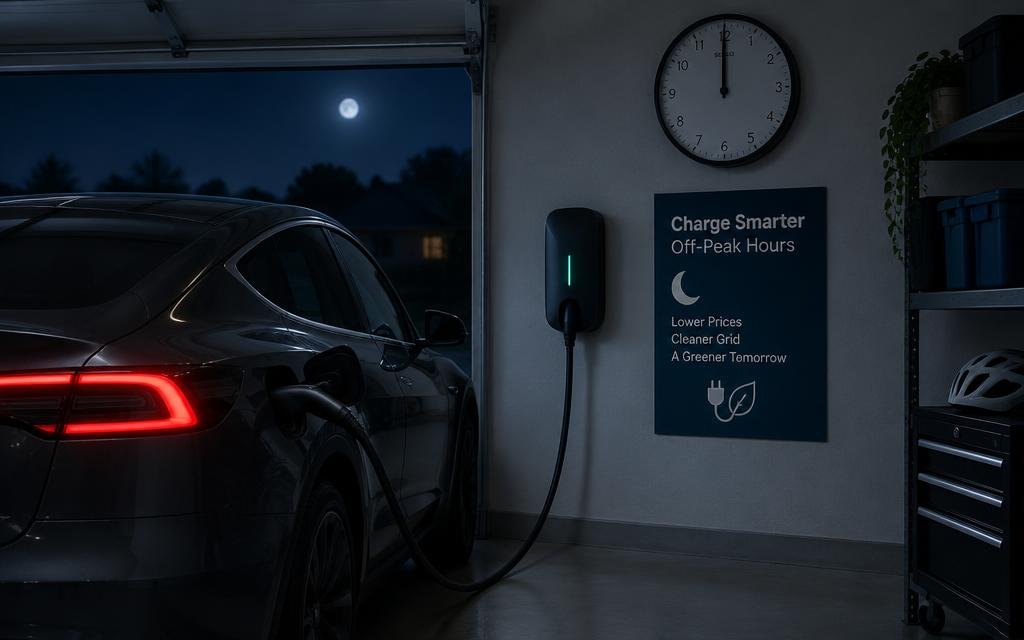
Key takeaways
- Vehicle scheduling may already cover your off-peak routine.
- Avoid conflicting schedules in the vehicle and charger.
- Utility or solar integrations need explicit supported features, not just Wi-Fi.
Wi-Fi is optional for many off-peak routines
You do not automatically need a Wi-Fi EV charger to charge during cheaper hours. Your vehicle may already have a suitable schedule, and a non-connected charger can supply power when the car requests it. The key is which device controls the session and whether its settings match your tariff and departure needs.
A connected charger can still be useful. It may provide energy records, remote control or features required by a utility program. The decision is therefore about your specific routine, not whether smart equipment is always better. This guide helps you separate a useful connection from an extra app you will open twice and then forget.
Shop this guide
Compare current options and prices
Find out where scheduling already lives
Open the charging settings in your vehicle or its official app and check the manual. Look for time-based charging, departure scheduling and location-specific behavior. The names vary, and a departure setting may do more than simply wait until a cheap period begins.
Test the feature at home before buying a replacement charger. Set a realistic schedule, plug in and confirm that charging starts and finishes as expected. Watch for conditions such as a minimum charge level that triggers immediate charging or a setting that applies only at a saved location.
If the existing vehicle controls meet your needs, Wi-Fi in the wall unit may be optional. You can then choose the charger based on compatibility, installation quality, cable reach and support. Those ordinary details often have a bigger effect on daily convenience than another dashboard of graphs.
Confirm that your tariff actually rewards timing
Read the current utility tariff rather than assuming midnight is always cheapest. Some plans have seasonal windows or different weekend rules. Others charge the same energy price all day. On a flat-rate plan, scheduling may suit your routine, but it does not inherently lower the price per kilowatt-hour.
When comparing plans, include the rest of the household. A cheaper EV period can be offset by higher prices when you use heating, cooling or appliances. Look at your available interval data or ask the utility how to estimate the change using your usage pattern.
Record the relevant hours somewhere obvious. When daylight saving changes or the utility revises the tariff, check whether your scheduling device handles the change correctly. A routine can continue operating perfectly while following an outdated assumption. That is an impressively quiet way to spend extra money.
Understand what Wi-Fi adds
A connected charger can let you change settings remotely, inspect session history or receive notifications. Some products support access controls, multiple users or coordination with household energy equipment. These features may justify the purchase even when the car can already schedule charging.
Verify the exact model's capabilities. Wi-Fi describes a connection method, not a complete feature list. It does not automatically mean the charger supports solar tracking, approved dynamic load management or billing-quality reports. Those functions may need additional equipment, configuration or subscriptions.
Ask what happens if the service is unavailable. Basic charging, stored schedules and remote controls can have different dependencies. A clear explanation of offline behavior is more useful than a vague promise of seamless connectivity. You want to know what tomorrow morning looks like when the router has a bad night.
Avoid two schedules arguing with each other
If the car and charger both restrict charging hours, the usable period is their overlap. A vehicle scheduled for one window and a charger scheduled for another can prevent a session entirely. The equipment may report no fault because both devices are following instructions.
Choose one primary schedule initially and configure the other device to permit the intended session. Follow the manufacturer guidance and test the result. Add complexity only after the simple arrangement works. There is no prize for making a nightly top-up resemble an airline timetable.
Learn the immediate-charge override as well. If you need extra range before an unexpected trip, know how to start charging and whether that action changes the recurring schedule. A temporary exception should not quietly become next month's permanent routine.
Make sure the cheap window is long enough
The required charging power depends on energy and time. If an illustrative day needs 18 kWh and the cheap window lasts six hours, the average requirement is much lower than if the same energy must arrive in two hours. Allow for the relevant losses and auxiliary consumption in your chosen estimate.
Your actual power is limited by the installed setting and the vehicle's AC capability. A wall unit advertised at a high maximum may be configured lower or share capacity with other loads. Wi-Fi does not change those electrical limits.
If the target is repeatedly missed, review the energy requirement, available hours and power before changing products. You may need a longer window, a different supported setting or a suitable installation upgrade. An app can automate a decision, but it cannot create extra hours or electrical capacity.
Utility programs can change the requirements
Some rebates or managed-charging programs specify eligible vehicles, chargers or communications arrangements. Read those conditions before buying. A vehicle-based connection may qualify for one program while a particular connected charger is required by another.
Check whether participation permits the utility to adjust charging and how overrides work. Understand any availability commitments, data-sharing conditions and consequences of leaving the program. The useful question is whether the program fits your routine after all those terms are included.
Keep approval and enrollment records. Do not count a rebate in the purchase budget solely because a retailer mentions utility savings. Confirm the exact product, address and installation date qualify under the current program. Eligibility is a detail worth settling before the box arrives.
Solar charging is a separate feature question
Charging at midday can align with solar production, but a clock schedule does not measure actual surplus generation. Clouds, household demand and seasonal production can change how much solar electricity is available. A fixed schedule may still draw from the grid.
If you want charging that follows surplus solar, look for a supported system that measures the relevant flows and controls the charger accordingly. Confirm required meters, compatibility and minimum operating behavior. Wi-Fi alone does not establish that the feature exists.
Also compare the financial alternative: exporting solar and charging later. The better result depends on your import tariff and export compensation. A system that maximizes solar use is not automatically the one that minimizes the bill under every rate plan.
A simple charger can still be a good charger
If your car handles the schedule and you do not need remote reports or a utility integration, a straightforward unit may be entirely adequate. Focus on the exact connector, suitable certification, environmental rating, cable reach and installation instructions.
Do not substitute a household smart plug or an improvised timer for an approved EV charging arrangement. Sustained charging is not the same use case as switching a lamp. Any external control equipment must be appropriate for the installation and explicitly supported by the relevant design.
A qualified installer can help compare a simple setup with a connected alternative. Ask for the complete installed price and the reason each extra component is needed. The most useful upgrade is one that solves a problem you can name.
Verify the routine after installation
Run one normal scheduled session and check the start time, finish time and resulting charge. Then test the supported immediate-charge option. Review the first bill or interval records to see whether charging actually occurred in the intended tariff periods.
If you choose Wi-Fi, confirm coverage at the charger and understand account ownership and support access. If you choose vehicle scheduling, check that the location and recurring days are correct. Keep the instructions somewhere accessible for other household drivers.
You need a reliable schedule, not necessarily a connected wall box. Buy Wi-Fi when its specific features improve the routine or meet a verified program requirement. Otherwise, a well-installed charger and a capable vehicle schedule can deliver exactly the outcome you wanted: cheaper-hour charging without another nightly task.
Safety note: This article is general information, not professional electrical advice. Working with 240V circuits can cause serious injury or fire. Hire a licensed electrician and follow local codes and permit requirements.
Sources & further reading

Written by
LarryLeoLarryLeo started EV Charging while researching his own next car purchase. He digs into the pros, cons and real cost savings of going electric — using government, standards-body and manufacturer sources — and shares what he finds so other buyers can decide with confidence.
Why trust EV Charging Guide
Our guides are researched from government, standards-body and manufacturer sources, reviewed for accuracy, and updated when rules or products change. Brands cannot pay for placement. Read our editorial policy.
Related Posts
Why Does My EV Charger Keep Tripping the GFCI Breaker? Causes and Fixes
Do I Need a Panel Upgrade for an EV Charger? 100-Amp vs 200-Amp Service