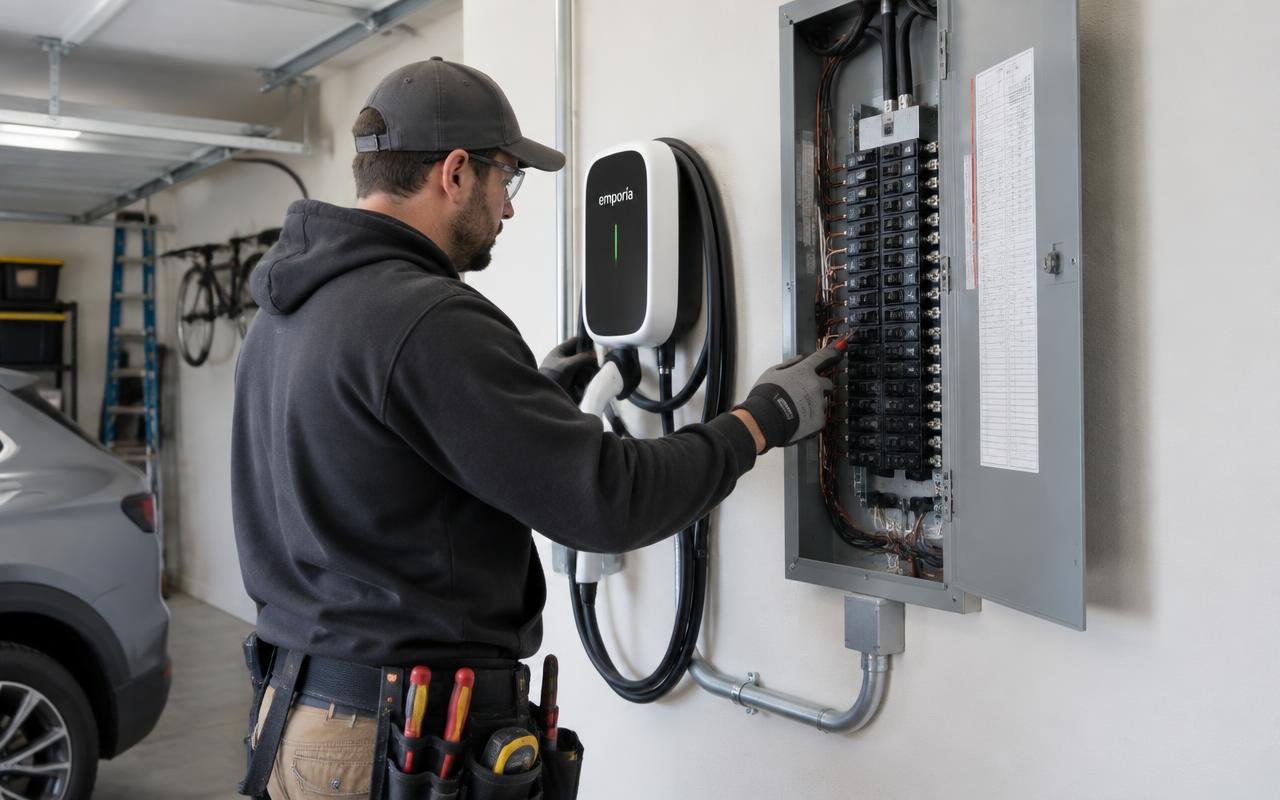
Why Does My EV Charger Keep Tripping the GFCI Breaker? Causes and Fixes
Nuisance trips are a common frustration with plug-in chargers. Here are the usual causes — and why many electricians recommend hardwiring.
As an Amazon Associate, EV Charging may earn from qualifying purchases. This helps support our independent guides at no extra cost to you. Learn more.
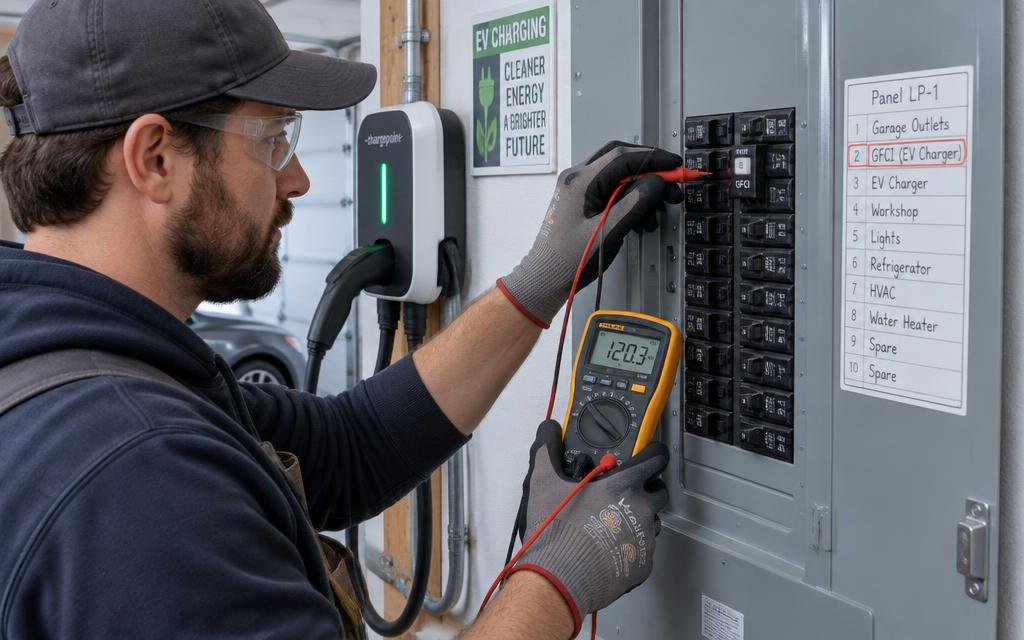
Key takeaways
- Double ground-fault protection (breaker + charger) is a common cause.
- Moisture, worn receptacles and loose connections can also trip GFCIs.
- Hardwiring often resolves the issue where code allows.
Why it happens
EV chargers have their own built-in ground-fault protection. When an outlet circuit also has a GFCI breaker (often required by code for receptacles in garages and outdoors), the two devices can interact and trip unexpectedly.
Shop this guide
Compare current options and prices
Other culprits
Water in an outdoor outlet, a worn or low-quality receptacle, loose terminations or a damaged cable can all cause legitimate trips. Never ignore repeated trips — have the circuit inspected.
Fixes
Options include replacing the GFCI breaker with a newer model, upgrading to an industrial-grade receptacle, or hardwiring the charger (which may remove the code requirement for a GFCI receptacle). All of these should be done by a licensed electrician.
Safety note: This article is general information, not professional electrical advice. Working with 240V circuits can cause serious injury or fire. Hire a licensed electrician and follow local codes and permit requirements.
Sources & further reading

Written by
LarryLeoLarryLeo started EV Charging while researching his own next car purchase. He digs into the pros, cons and real cost savings of going electric — using government, standards-body and manufacturer sources — and shares what he finds so other buyers can decide with confidence.
Why trust EV Charging Guide
Our guides are researched from government, standards-body and manufacturer sources, reviewed for accuracy, and updated when rules or products change. Brands cannot pay for placement. Read our editorial policy.
Related Posts
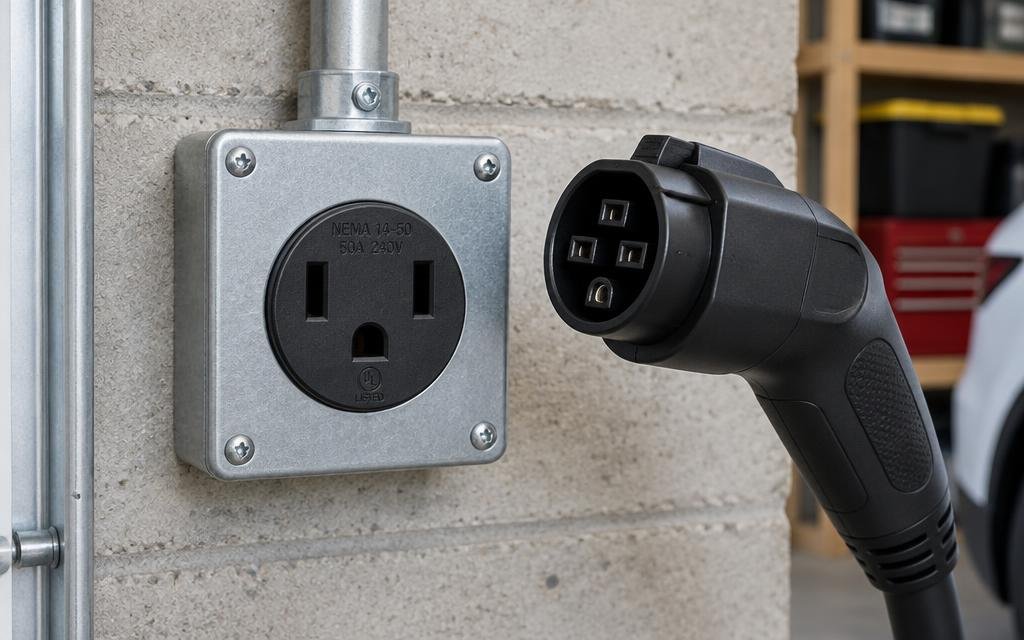
NEMA 14-50 vs Hardwired EV Charger: Which Installation Is Better?
40 Amp vs 48 Amp EV Charger: Is the Faster Charger Worth It?