
EV Charging Speeds Explained: kW, Amps and Volts in Plain English
kW, amps, volts and kWh tripped me up at first. Here's the simple version, and how to work out how fast your car will actually charge.
As an Amazon Associate, EV Charging may earn from qualifying purchases. This helps support our independent guides at no extra cost to you. Learn more.
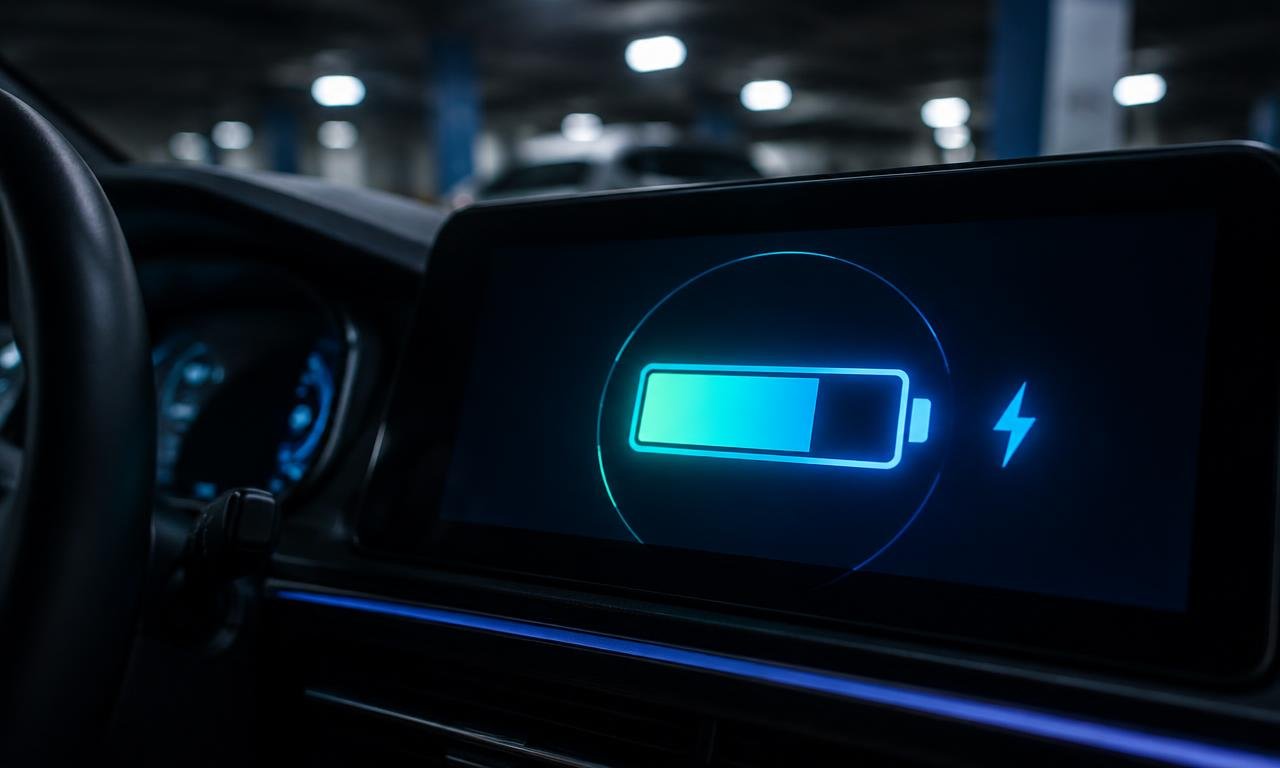
Key takeaways
- Power (kW) = volts × amps ÷ 1,000. A 240V, 40A charger delivers about 9.6 kW.
- Your car's onboard charger caps Level 2 speed, whatever the wall unit can supply.
- kWh is the size of the 'tank'; kW is how fast you fill it.
The three numbers
Volts are electrical pressure, amps are flow, and kilowatts are the result. Home Level 2 charging runs at 240 volts. Level 1 uses a regular 120-volt outlet, and DC fast charging bypasses the onboard charger entirely.
Shop this guide
Compare current options and prices
Why your car might charge slower than the charger
Every EV has an onboard AC charger with a maximum rate. If it's 7.2 kW, a 48-amp (11.5 kW) charger won't make it any faster. Check your car's spec on the manufacturer's site or in our car guides.
Work it out for your car
Divide the energy you need (kWh) by the lower of the charger power and the car's onboard limit. Our charging time calculator does this for you.
Sources & further reading

Written by
LarryLeoLarryLeo started EV Charging while researching his own next car purchase. He digs into the pros, cons and real cost savings of going electric — using government, standards-body and manufacturer sources — and shares what he finds so other buyers can decide with confidence.
Why trust EV Charging Guide
Our guides are researched from government, standards-body and manufacturer sources, reviewed for accuracy, and updated when rules or products change. Brands cannot pay for placement. Read our editorial policy.
Related Posts
Best Level 2 EV Charger for Home in 2026: How to Choose the Right One
Best EV Charger for Tesla Model Y at Home: NACS vs J1772 Explained