Tesla Supercharger vs Electrify America: Cost, Speed and Reliability Compared
These are the two fast-charging networks I kept running into during my research. Here's how they compare on access, plugs, pricing and coverage, and what it means for which car to buy.
As an Amazon Associate, EV Charging may earn from qualifying purchases. This helps support our independent guides at no extra cost to you. Learn more.
Key takeaways
- Tesla's network has opened to many non-Tesla EVs, usually through a NACS adapter or a built-in NACS port.
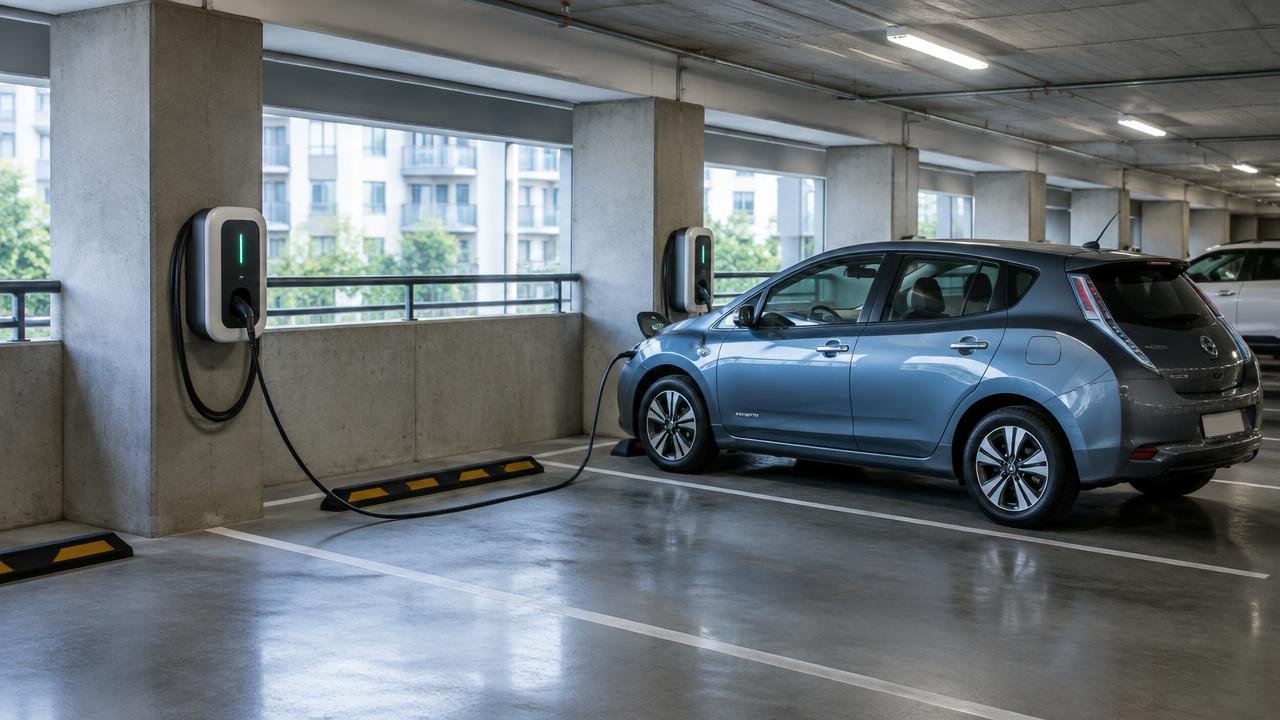
- Electrify America uses CCS1 plugs, which most non-Tesla EVs sold before 2025 have built in.
- Prices change by location and membership plan, so check each network's app before you charge.
Who can use each network
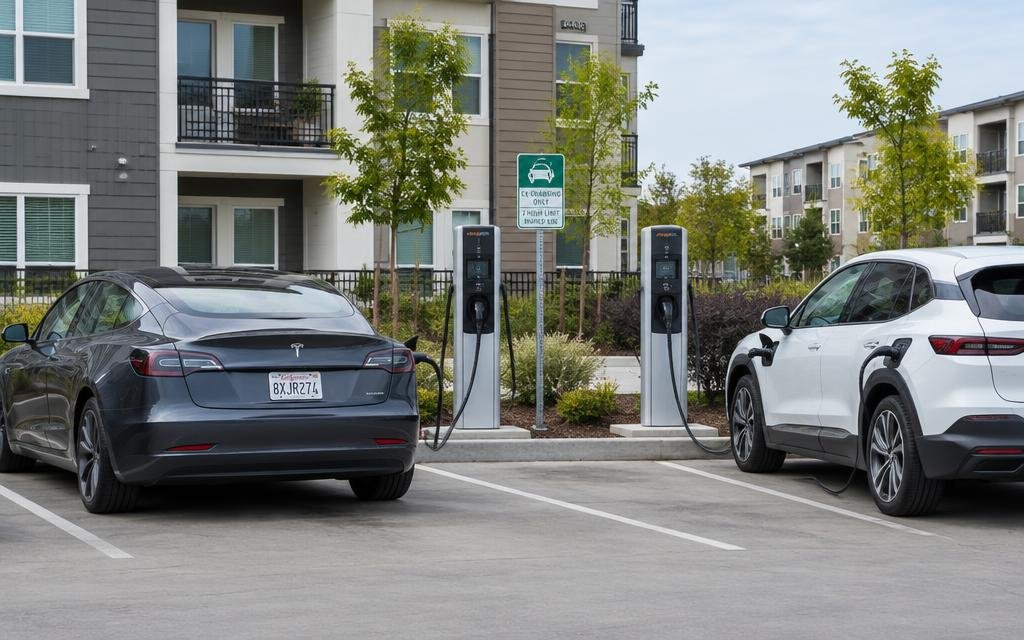
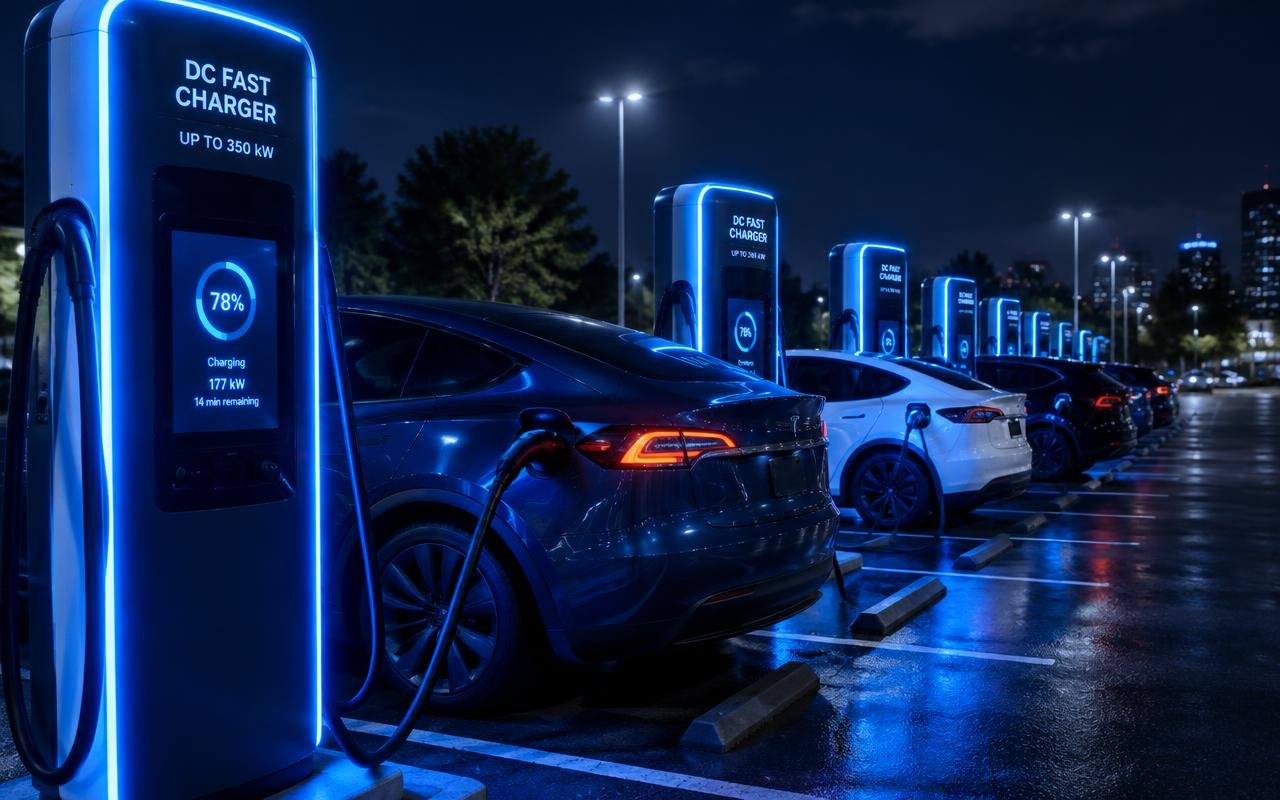
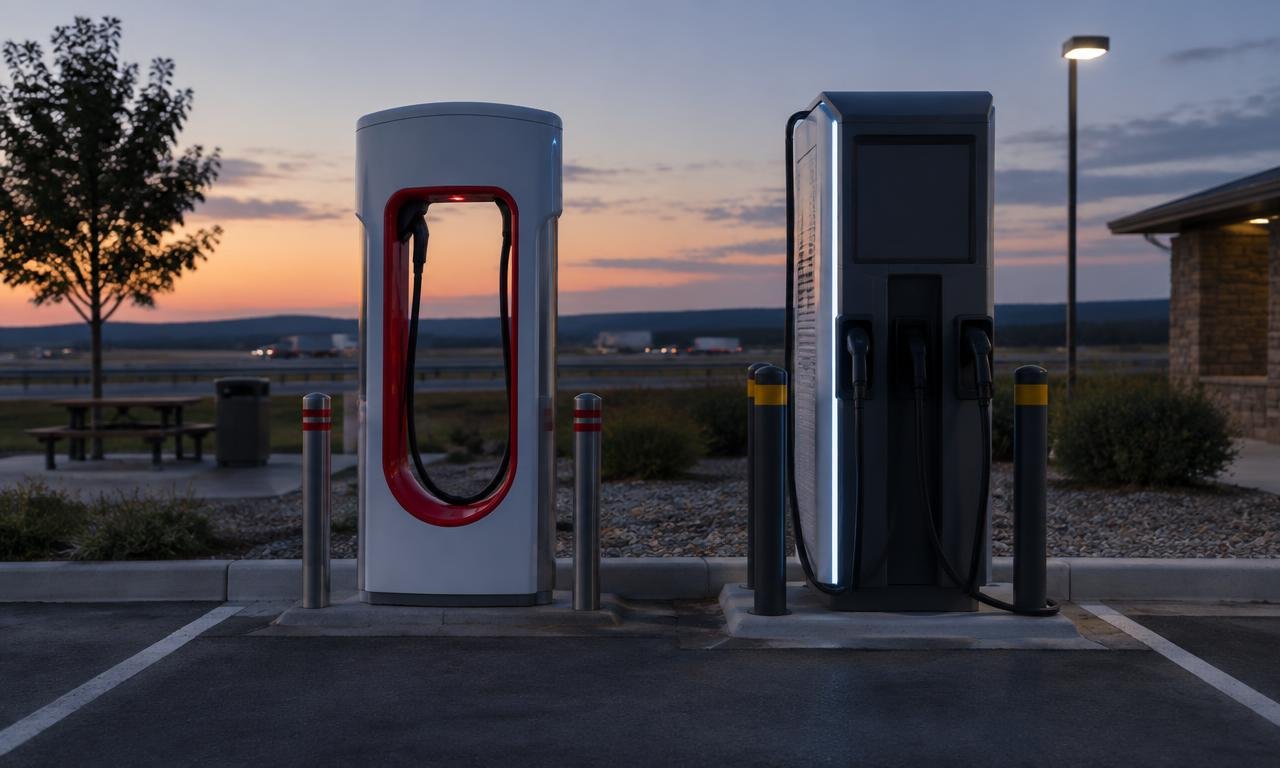
Tesla Superchargers use the NACS plug, now standardized as SAE J3400. Many automakers have gained access for their drivers, either with an adapter or with NACS ports on newer models. Check your automaker's site to see whether your car is approved.
Electrify America stations have CCS1 connectors and serve most non-Tesla EVs. Teslas can use them with a CCS1 adapter where the car supports it.
Shop this guide
Compare current options and prices
Pricing
Both networks set prices by location and offer optional memberships that lower the per-kWh rate. Rates can be higher at peak times. Since prices change often, I don't list figures here. Check the app at the station you plan to use.
Coverage and reliability
You can filter the DOE station locator by network and connector type to see coverage along your usual routes. Reliability varies by site, so recent driver check-ins in apps like PlugShare are a useful extra check before a road trip.
What this means for buying a car
If you take frequent road trips, look at which network covers your routes best, then make sure the car you choose can use it, ideally without an adapter.
Sources & further reading

Written by
LarryLeoLarryLeo started EV Charging while researching his own next car purchase. He digs into the pros, cons and real cost savings of going electric — using government, standards-body and manufacturer sources — and shares what he finds so other buyers can decide with confidence.
Why trust EV Charging Guide
Our guides are researched from government, standards-body and manufacturer sources, reviewed for accuracy, and updated when rules or products change. Brands cannot pay for placement. Read our editorial policy.