EV Charging in Cold Weather: How Winter Affects Range and Charging Speed
Plan winter charging with realistic range reserves, supported preconditioning, sufficient home charging time and backup stops.
As an Amazon Associate, EV Charging may earn from qualifying purchases. This helps support our independent guides at no extra cost to you. Learn more.
Key takeaways
- Winter effects vary with the vehicle, trip and conditions.
- Cabin warming and battery preparation may use different controls.
- Keep clear visibility and a reachable charging backup.
Winter changes the routine, not the whole ownership story
Cold weather can reduce an EV's driving range and slow charging, especially when the battery starts cold. The useful response is to plan around those conditions instead of applying one dramatic percentage to every vehicle. Your car, route, speed, heating needs and parking situation all matter. A short trip across town and a long highway journey can look very different on the efficiency display.
The good news is that you can make winter charging more predictable. Give the car time to prepare, use its supported scheduling features and leave a sensible reserve between charging stops. This guide explains the practical decisions using manufacturer and government guidance. It does not claim that we conducted a winter range test or that one result applies to your particular EV.
Shop this guide
Compare current options and prices
Why the range estimate changes
An EV uses energy for more than turning the wheels. In cold conditions, heating the cabin and managing battery temperature can consume a larger share of available energy. Tire pressure, denser air, road conditions and driving speed also influence the result. Several small effects can arrive together, which is why the change sometimes feels abrupt.
Short journeys can be particularly unflattering. The vehicle warms a cold cabin, travels a few miles, then cools again before the next trip. That initial heating demand is spread over very little distance. A single short drive's consumption figure is therefore a poor basis for predicting an entire winter road trip.
Treat the dashboard estimate as a forecast that responds to conditions and recent driving. A lower predicted range is not, by itself, evidence that the battery suddenly lost permanent capacity. If performance changes unexpectedly beyond normal seasonal behavior, consult the vehicle's guidance and service support rather than diagnosing the pack from one number.
Cabin preheating and battery preparation are different jobs
Cabin preconditioning makes the interior comfortable and helps clear the windows before departure. Battery preconditioning prepares the battery for a particular operating condition, such as charging. Depending on the vehicle, these functions may overlap, run automatically or require different settings. Turning on the heater from an app does not necessarily prepare the pack for maximum DC charging power.
Read the instructions for your exact model and software. Some vehicles can prepare for departure on a schedule; others prepare for fast charging when an eligible station is selected in the built-in navigation. A third-party map destination may not trigger the same behavior. This is one of those tiny interface details that can make a very noticeable difference.
Use supported features instead of trying to force battery heating with unnecessary hard acceleration or other improvised techniques. The vehicle manages its own limits. The aim is to arrive with suitable conditions and enough energy, not to outsmart the thermal system on a cold highway.
Plugged-in preparation can help, within limits
When the manufacturer supports it, precondition while connected to a suitable power supply. That can reduce how much energy preparation draws from the battery before the trip. It can also make departure more comfortable: warm cabin, clear windows and fewer reasons to sit shivering while exploring the settings menu.
Do not assume the plug supplies every watt the car might need. On a low-power connection, heating demand may exceed the available input, and the battery can still contribute. A charging schedule may also interact with departure preparation differently across vehicles. Check what your car actually does rather than assuming all plugged-in preparation is free of battery use.
Set the departure time accurately and review the first few results. If your work schedule changes, adjust it. Warming the car hours before you leave can waste energy and leave you starting cold again. A useful routine is specific to when the car moves, not simply when the household alarm rings.
Home charging needs enough winter margin
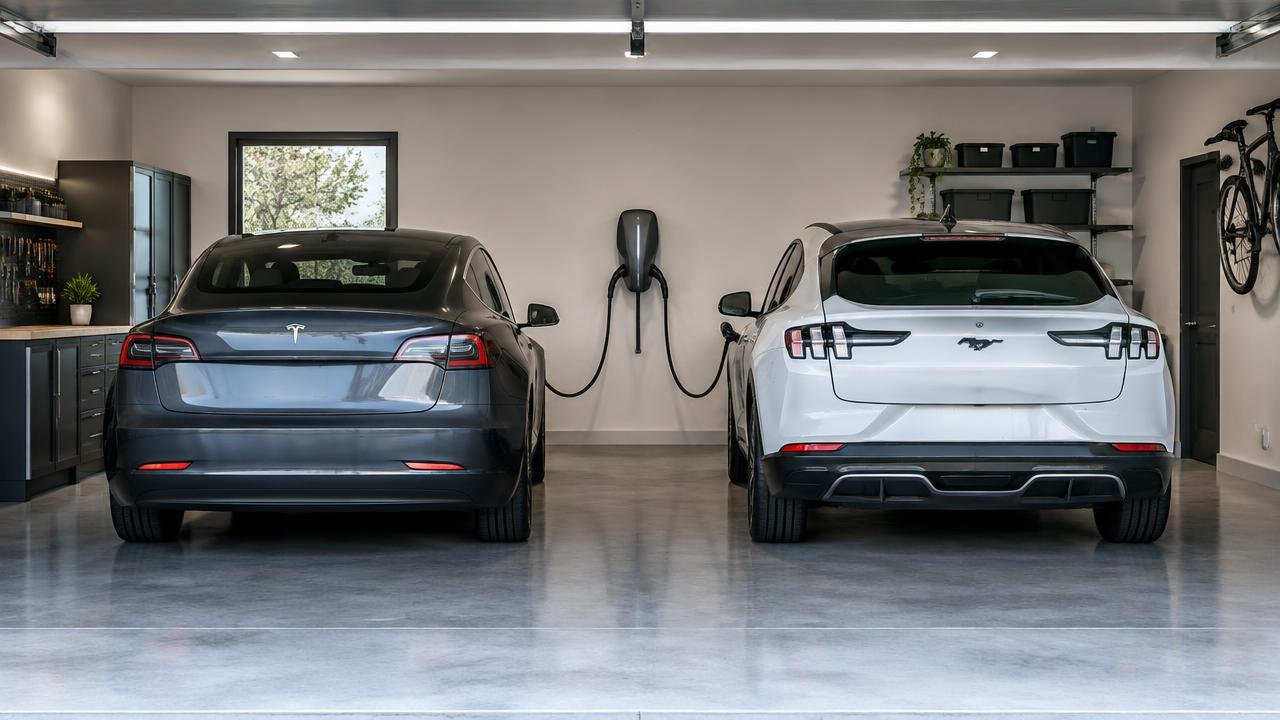
A home setup that barely replaces summer driving may struggle with additional winter consumption. Watch the morning charge level over several normal days. If it steadily declines despite consistent overnight charging, you have evidence that the available energy or charging window is too small for the new conditions.
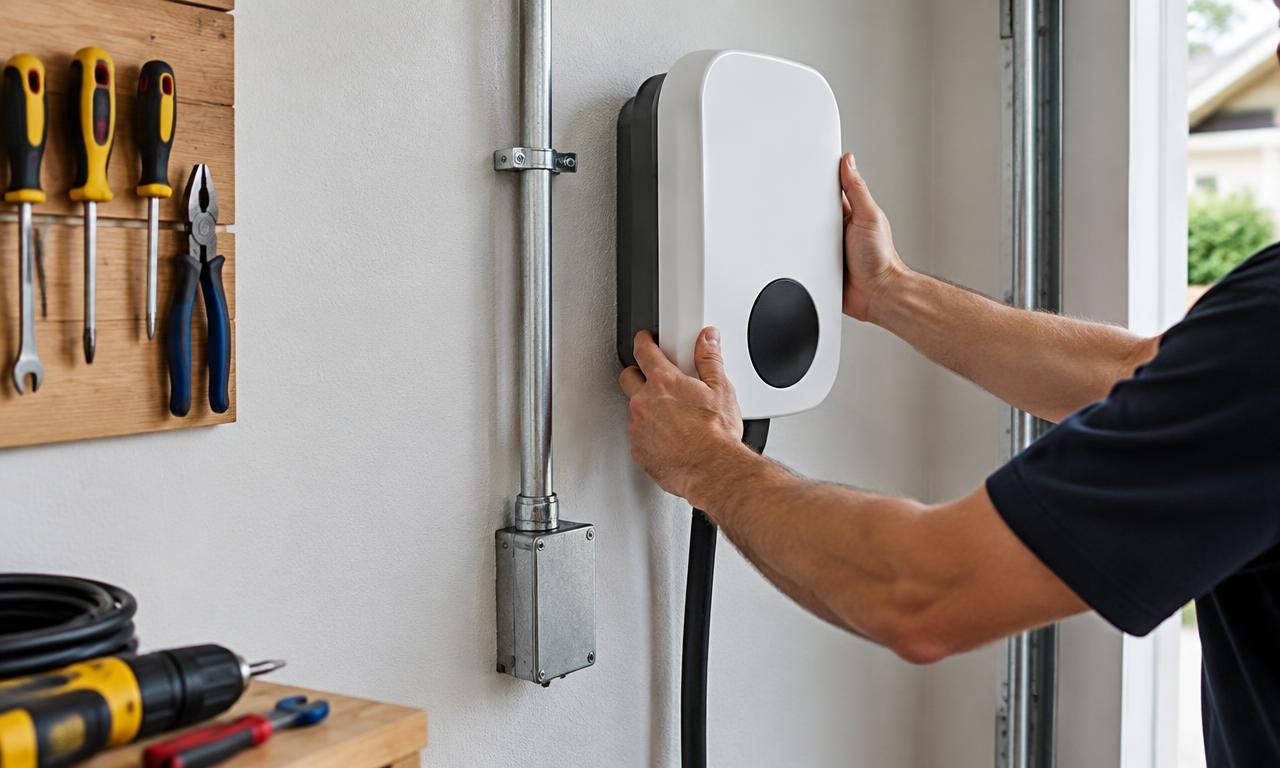
Before replacing equipment, check the schedule, current setting and vehicle limit. Two overlapping schedules can accidentally shorten charging time. A cheap-rate window that worked in mild weather may need extending. Increasing the charging current is appropriate only within the installation's approved configuration; an app slider is not permission to exceed the circuit design.
If Level 1 no longer keeps up, consider a suitable Level 2 installation or a planned supplemental public session. The right answer depends on the size and frequency of the shortfall. A predictable weekly stop may be acceptable to one household and a nuisance to another. Make that trade-off consciously.
Fast charging rewards preparation and realistic expectations
A cold battery may accept less power than a warm one, even at a high-rated station. The number on the charger describes its capability under suitable conditions, not a guaranteed delivery rate to every car. Battery temperature, state of charge and the vehicle's charging curve all influence the session.
Use the car's supported fast-charging preparation and navigation features. Allow the system the time it requests where guidance is available. Do not invent a universal preconditioning duration: the vehicle and starting conditions determine what is needed. Arriving at a compatible charger with enough reserve is more important than targeting an artificially low battery percentage.
If a session starts slowly, check the vehicle's messages and the station status. Low power can come from the car, the station or shared site capacity. A cold battery does not prove the charger is broken, and a cold day does not excuse every station fault. Use the information available before moving stalls or changing your route.
Build a winter route with a backup
Plan stops around your vehicle's current route estimate and conditions rather than its advertised maximum range. Leave extra room for wind, traffic diversions, elevation and unavailable chargers. A backup site is most useful when it is compatible, accessible and reachable with the reserve you intend to maintain.
Look at opening hours, parking access and nearby shelter or facilities. A charger may operate around the clock while the adjacent building closes early. That distinction matters more when everyone needs a warm restroom break. Check recent station information before departure and again when a major route decision is approaching.
Do not sacrifice safe cabin temperature or clear windows to stretch a marginal plan. Use heating and defrosting as needed. Seat heating may improve comfort, but it is not a substitute for maintaining visibility. If the route estimate becomes uncomfortable, stop earlier at a suitable charger rather than treating the original plan as a promise.
Cables and connectors need a little attention
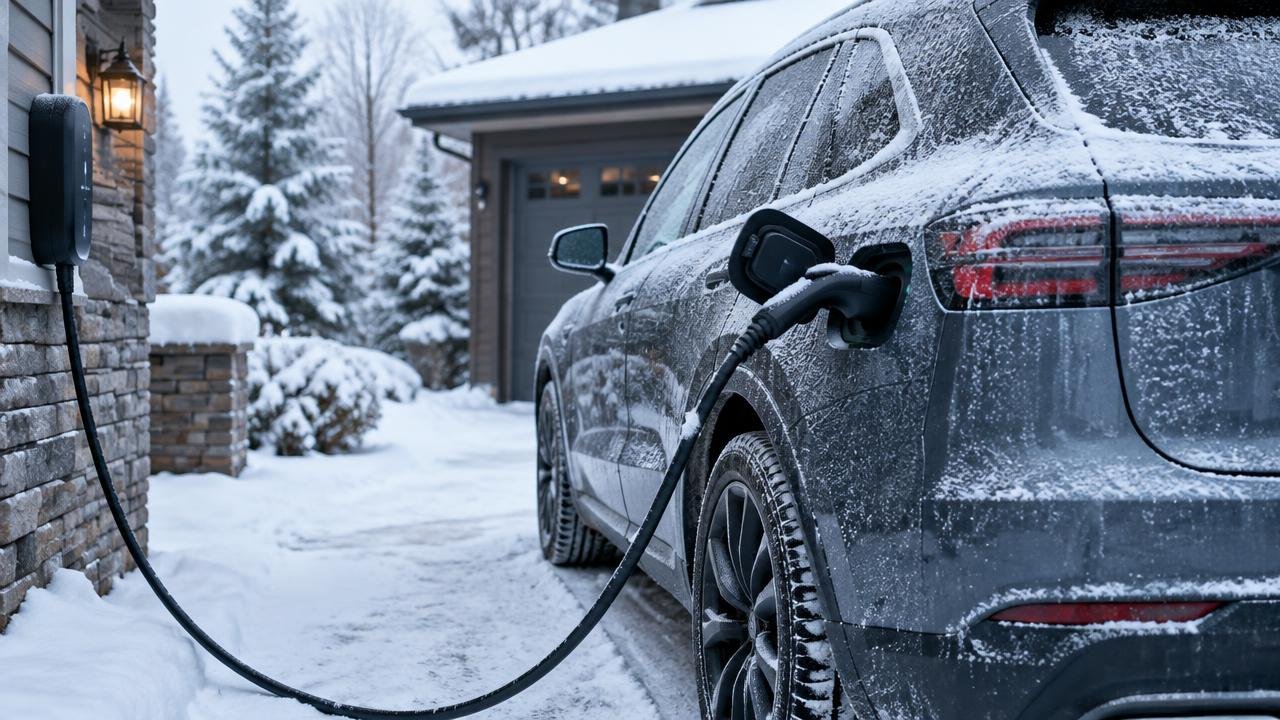
Cold weather can make handling charging equipment less pleasant, especially with gloves, snow and a stiff cable. Keep the cable stored according to the manufacturer's instructions and clear of vehicle traffic and walkways. Avoid leaving the connector where it can become buried or sit in pooled water.
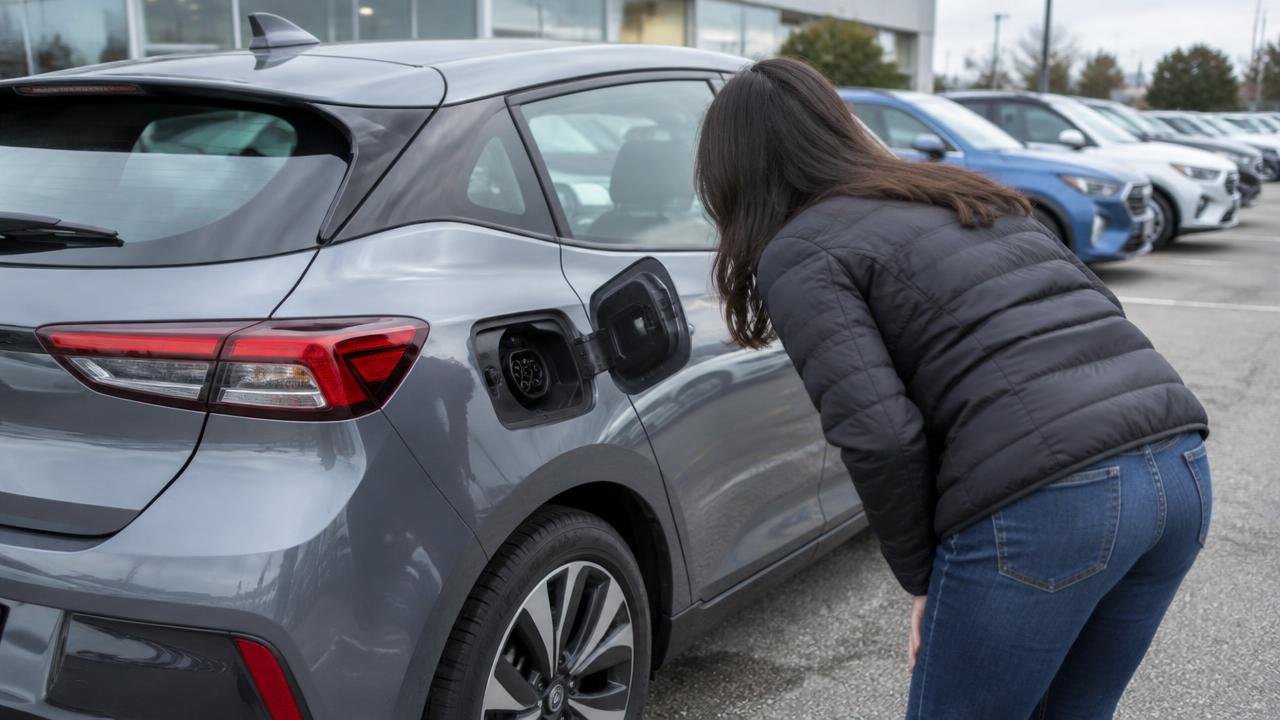
If a connector or charge door is frozen, follow the vehicle and equipment guidance. Do not force the latch or apply improvised heat. Check that snow and ice are not preventing a proper connection, and stop using visibly damaged equipment. Outdoor suitability covers the complete installation, not just a weather-related word in a product title.
Before a storm, make sure your normal charging arrangement works and that you know your alternate options. Charging earlier can reduce the pressure of needing a session during poor conditions. No charger can guarantee service through a power outage, so keep that separate contingency in mind.
Track your own winter baseline
Record a few ordinary days: outside conditions, route, starting charge, ending charge and energy added. You do not need a laboratory spreadsheet. A small set of consistent observations helps distinguish a normal winter pattern from a scheduling problem or an unexpected change.
Use that baseline to adjust departure preparation, charging windows and road-trip reserves. Review it again when temperatures change. The most useful winter strategy is not a single percentage or a heroic efficiency trick. It is a repeatable routine with enough margin that the car is ready, the windows are clear and the next charging stop remains comfortably within reach.
Safety note: This article is general information, not professional electrical advice. Working with 240V circuits can cause serious injury or fire. Hire a licensed electrician and follow local codes and permit requirements.
Sources & further reading

Written by
LarryLeoLarryLeo started EV Charging while researching his own next car purchase. He digs into the pros, cons and real cost savings of going electric — using government, standards-body and manufacturer sources — and shares what he finds so other buyers can decide with confidence.
Why trust EV Charging Guide
Our guides are researched from government, standards-body and manufacturer sources, reviewed for accuracy, and updated when rules or products change. Brands cannot pay for placement. Read our editorial policy.