How Operators Maintain Public Fast-Charging Stations
EV charging station maintenance combines monitoring, inspections, repairs and testing. Learn how operators protect uptime, payment access and reliable charging.
As an Amazon Associate, EV Charging may earn from qualifying purchases. This helps support our independent guides at no extra cost to you. Learn more.
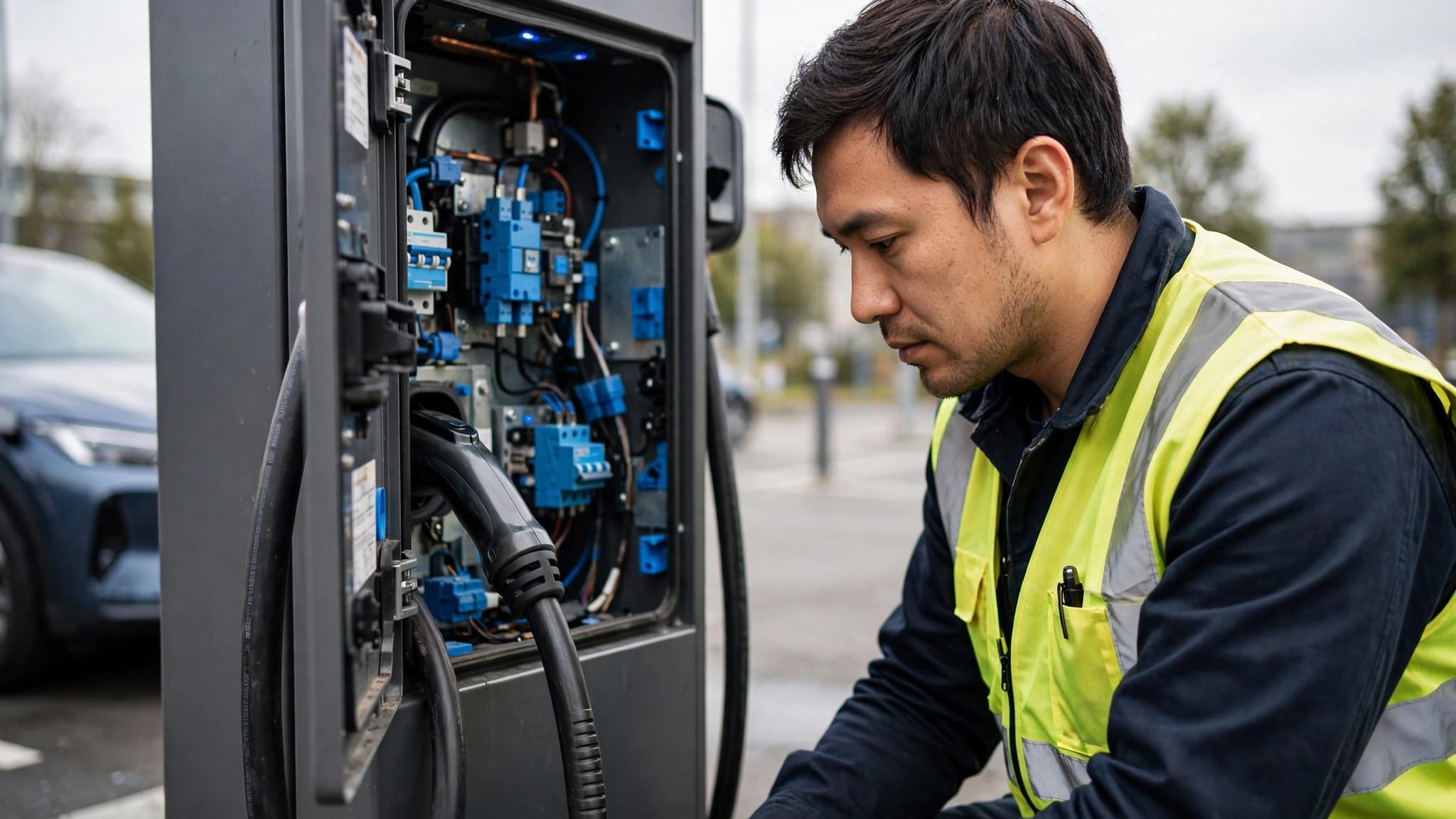
Charging operators maintain public fast-charging stations through remote monitoring, physical inspections, software updates, and repairs by qualified technicians. Good EV charging station maintenance follows the whole experience: the driver connects, payment works, electricity flows, and the session finishes properly.
That sounds straightforward. But a charger has power electronics, cooling equipment, communications, payment systems, and a vehicle all trying to cooperate, sometimes in freezing rain. The useful question is how operators keep those pieces working together, then find the actual cause when something goes wrong.
This post may contain affiliate links. If you make a purchase through these links, I may earn a small commission at no extra cost to you.
Key Takeaways
A reliable charging stop depends on more than a cabinet with its lights on.
- Operators combine remote fault detection with on-site inspections, manufacturer-directed servicing, and documented repairs.
- Maintenance covers connectors, cables, cooling, electrical protection, software, communications, and payment equipment. The surrounding parking area matters, too.
- Federal NEVI requirements include a per-port uptime standard greater than 97%, but those requirements don't automatically apply to every public charger.
- A completed repair needs functional testing. A reboot, a cleared warning, or a green status marker doesn't establish that charging works properly.
For drivers, the practical takeaway is simple: station availability and a successful charging session are different measurements. Operators need to pay attention to both.
What EV Charging Station Maintenance Covers
A DC fast charger does considerably more electrical work than a basic AC charging station. It converts incoming AC electricity into controlled DC power for the vehicle's battery.
That conversion brings additional equipment, additional heat, and additional things to maintain.
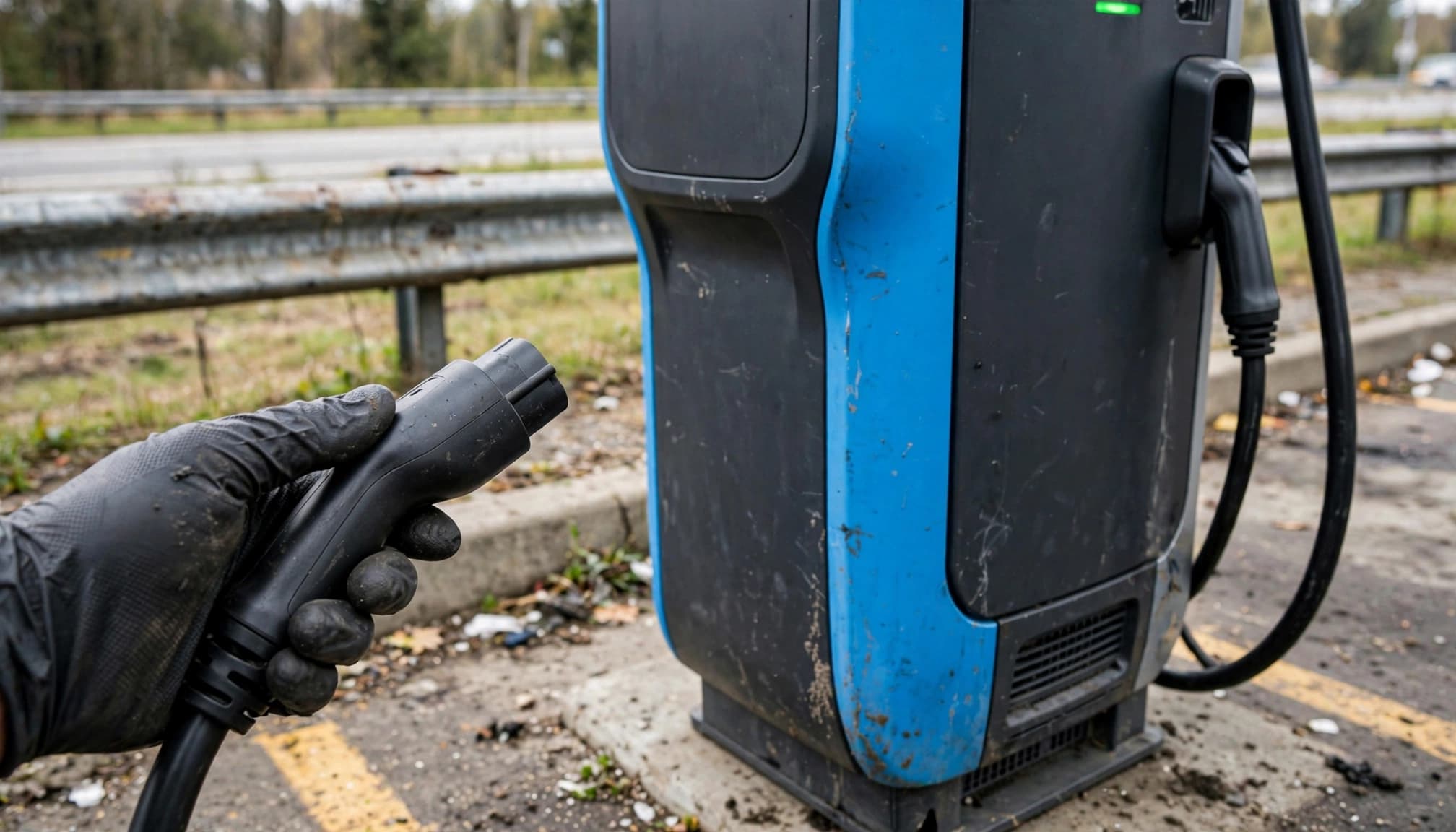
The Equipment Behind the Dispenser
Depending on the design, power-conversion modules sit inside the dispenser or in a separate cabinet serving multiple charging positions. The system also includes contactors, control electronics, sensors, protective devices, cables, and connectors.
High-power equipment needs thermal management. That may involve fans, air filters, liquid-cooling circuits, or a combination of these systems. Some high-current charging cables are liquid-cooled as well.
The equipment layout matters during diagnosis. A single failed dispenser can affect one parking space, while a shared cabinet fault can affect several.
The Service Around the Hardware
Operators also maintain network connections, payment terminals, authentication systems, and the software that coordinates charging. A perfectly intact cable doesn't help much when the station can't authorize a session.
The Department of Energy's guidance on charging infrastructure operation and maintenance identifies uptime and utilization analysis as part of station management.
Then there's the physical location: lighting, drainage, signs, accessible routes, and parking access. These responsibilities may belong to different organizations, but they all meet at the same place: your charging stop.
A station can have healthy electronics and still fail the person trying to use it.
Who Handles Maintenance When Several Companies Are Involved?
The name on a charger doesn't necessarily identify the company responsible for every repair. Ownership, network operation, equipment manufacturing, and property management can sit with different organizations.
That arrangement can work. It needs clear responsibilities, though, especially when a fault crosses the boundaries between them.
Network Operators and Equipment Manufacturers
The charge point operator, often shortened to CPO, manages charging services and operational availability. Depending on the business arrangement, it may own the equipment or operate it for another owner.
The manufacturer supplies model-specific service instructions, replacement parts, firmware, and technical support. Authorized service contractors may perform the actual fieldwork.
A useful service agreement identifies who receives alarms, who diagnoses faults, and who can approve parts or dispatch a technician. Otherwise, a repair can spend too long waiting for authorization.
Property Owners, Electricians, and Utilities
The site host may handle snow removal, lighting, parking enforcement, and access to electrical rooms. A licensed electrical contractor may maintain customer-owned supply equipment.
The utility has responsibility for its own infrastructure. The precise ownership boundary depends on the installation.
This division matters when several chargers lose power together. Replacing a dispenser won't repair a defective upstream circuit.
Operators need records showing where ownership changes and who can arrange isolation, testing, removal, and reinstallation. Those details are far easier to settle before an outage than during one, with drivers arriving and everyone asking whose problem it is.
Remote Monitoring Finds Problems Before the Next Visit
Networked chargers send operational information to a management platform. Operations teams use that information to detect offline equipment, interrupted sessions, temperature warnings, and other faults.
Remote monitoring gives operators reach. It doesn't give them eyes inside every connector.
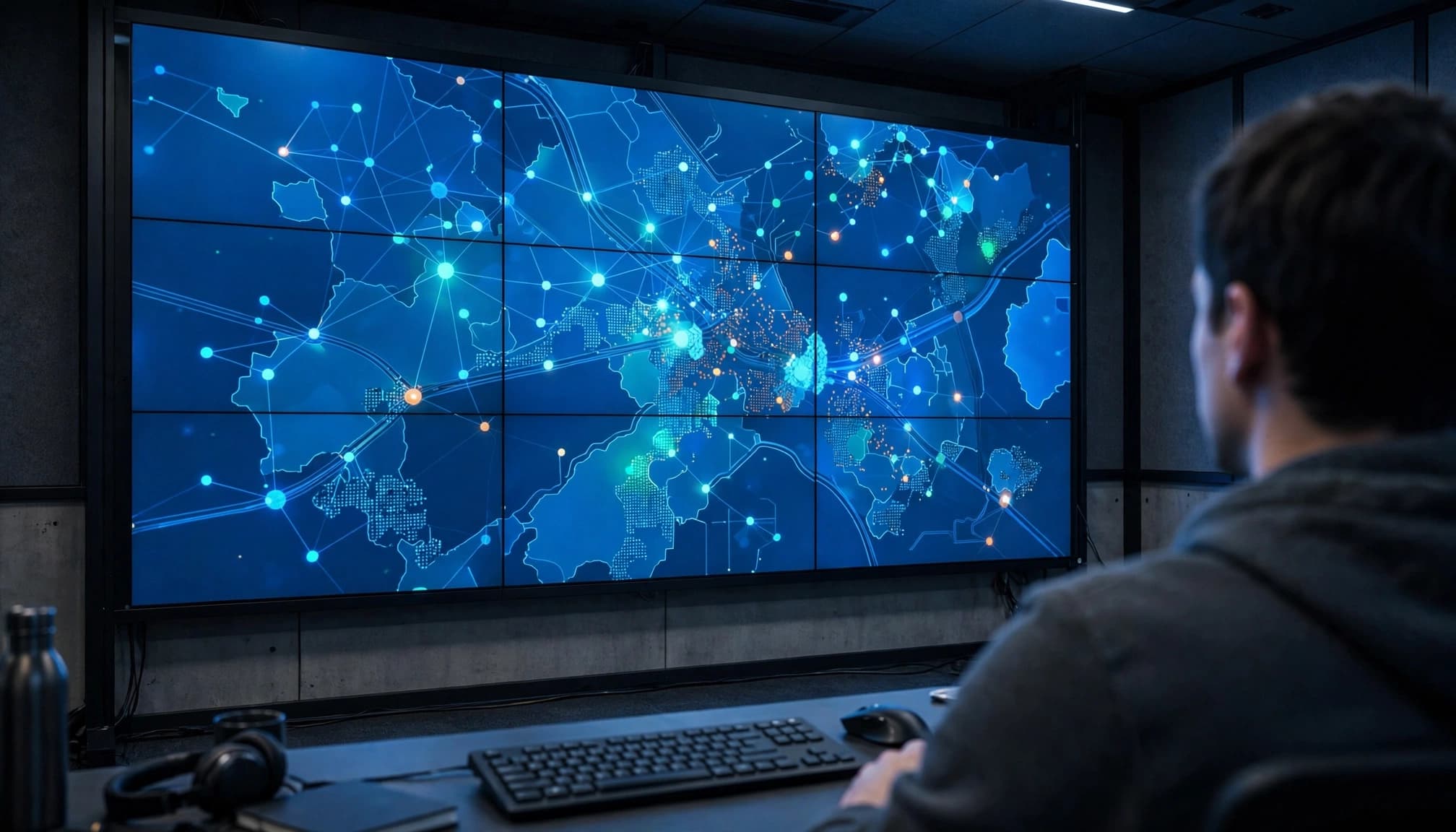
What the Network Can See
Useful telemetry includes charging state, delivered energy, requested and actual power, temperatures, communication status, and error messages. The available detail depends on the charger and its integration.
Operators can compare repeated failures at one port with performance elsewhere at the site. Several dispensers dropping offline together points toward a different investigation than one connector repeatedly failing to start.
OCPP, the Open Charge Point Protocol, supports communications between charging equipment and management systems. Its presence alone doesn't establish how thoroughly an operator uses the available information.
Why Error Codes Need Context
A fault message is a clue, not a completed diagnosis. A communication error can involve the vehicle, charger, network connection, or backend service.
NREL's EV-ChART data preparation guidance includes structured error categories, such as connector-lock failures. Consistent categories help operators compare events without reducing every complaint to "charging didn't work."
Time matters, too. Operators should preserve the sequence: connection, authorization, power request, fault, and shutdown.
Repeatedly resetting equipment without retaining that sequence can erase useful evidence. The charger may come back online while the underlying problem stays exactly where it was.
Preventive Maintenance Follows the Equipment's Needs
Preventive maintenance addresses wear and deterioration before they become a failed session. The schedule should follow the manufacturer's instructions, equipment condition, usage, and environment.
A busy highway location and a lightly used sheltered installation don't experience the same workload.
What Scheduled Inspections Cover
Typical work includes exterior cleaning, inspection for impact damage, cable and connector checks, cooling-system servicing, and functional testing.
NREL's report on charging reliability and adoption summarizes manufacturer guidance as generally recommending annual inspection and cleaning visits. That includes power units, dispensers, cables, connectors, displays, and output testing.
Annual servicing is reported manufacturer guidance, rather than a universal federal maintenance calendar. Some components and locations need attention more often.
Technicians also record findings that don't yet require replacement. A deteriorating cable support deserves attention before the cable spends every afternoon under someone's tire.
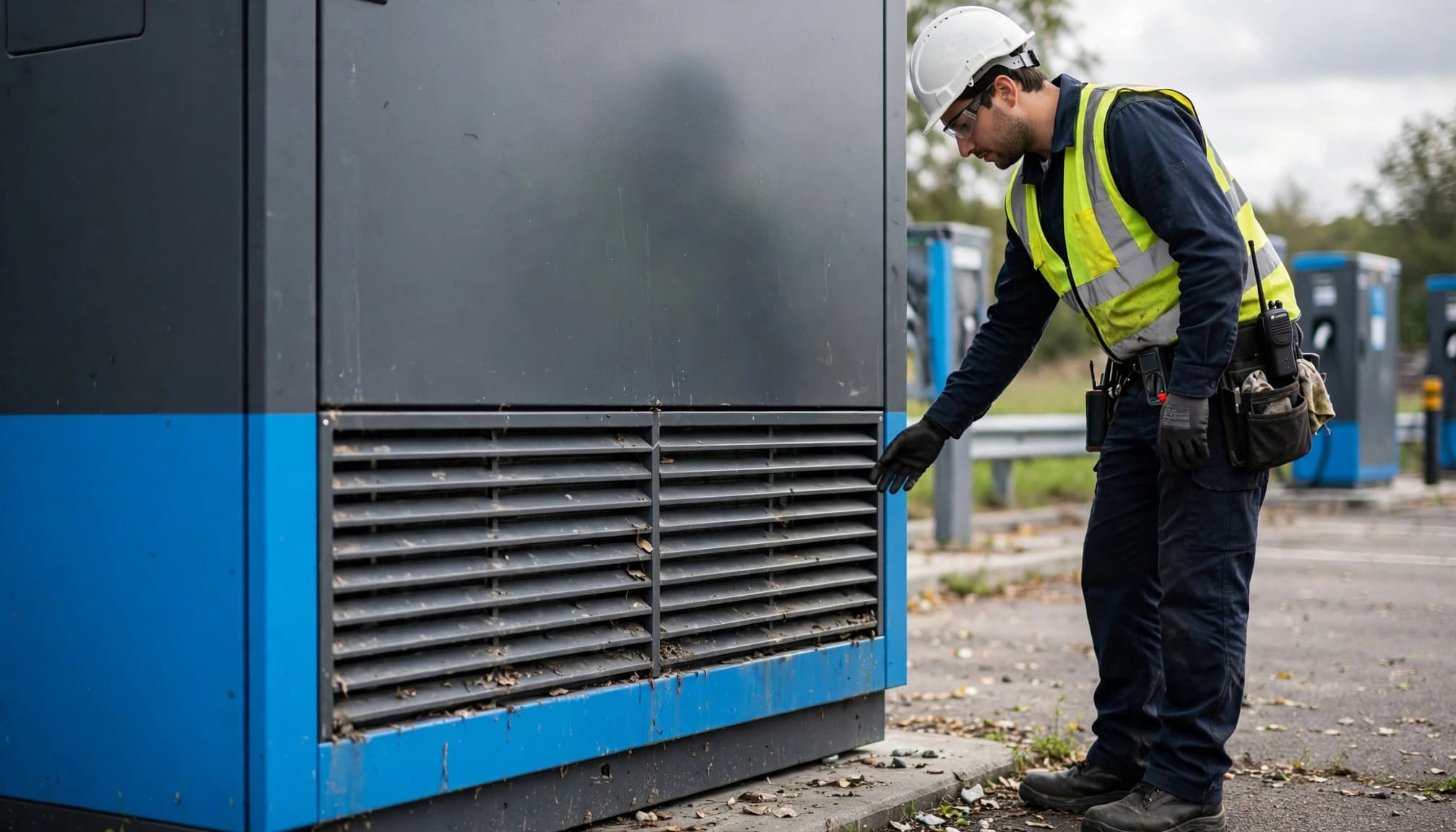
Usage and Conditions Change the Schedule
Dust can obstruct airflow. Road salt can attack exposed materials. Heavy utilization adds connection cycles and thermal cycling.
Operators can use inspection findings and operational data to adjust service frequency within the manufacturer's requirements. Recurring overheating at one cabinet calls for investigation, even if the next scheduled visit is months away.
Good scheduling also considers driver demand. Work can be staggered across ports when the electrical arrangement and safe working procedures allow it.
Closing an entire busy site for a task that could have been planned differently has a real cost for drivers. Maintenance planning belongs in the reliability conversation, too.
Cables, Connectors, and Cooling Take Daily Punishment
The connector is the part drivers handle, drop, pull, and occasionally leave sitting in a puddle. It has a demanding little life.
Operators inspect that visible wear alongside the less visible systems that keep charging temperatures under control.
Damage at the Vehicle Connection
Inspection can identify cracked housings, damaged latches, worn cable jackets, contaminated contact areas, and defective holsters or supports. A cable-management failure can create both equipment damage and a trip hazard.
CCS, CHAdeMO, and SAE J3400, commonly called NACS, have different designs and service requirements. Replacement components must match the equipment's approved configuration.
Our guide to charging connector differences explains the plug types drivers encounter.
Operators also separate wear from compatibility problems. A connector fitting the car doesn't establish that the vehicle, adapter, and network combination supports charging.
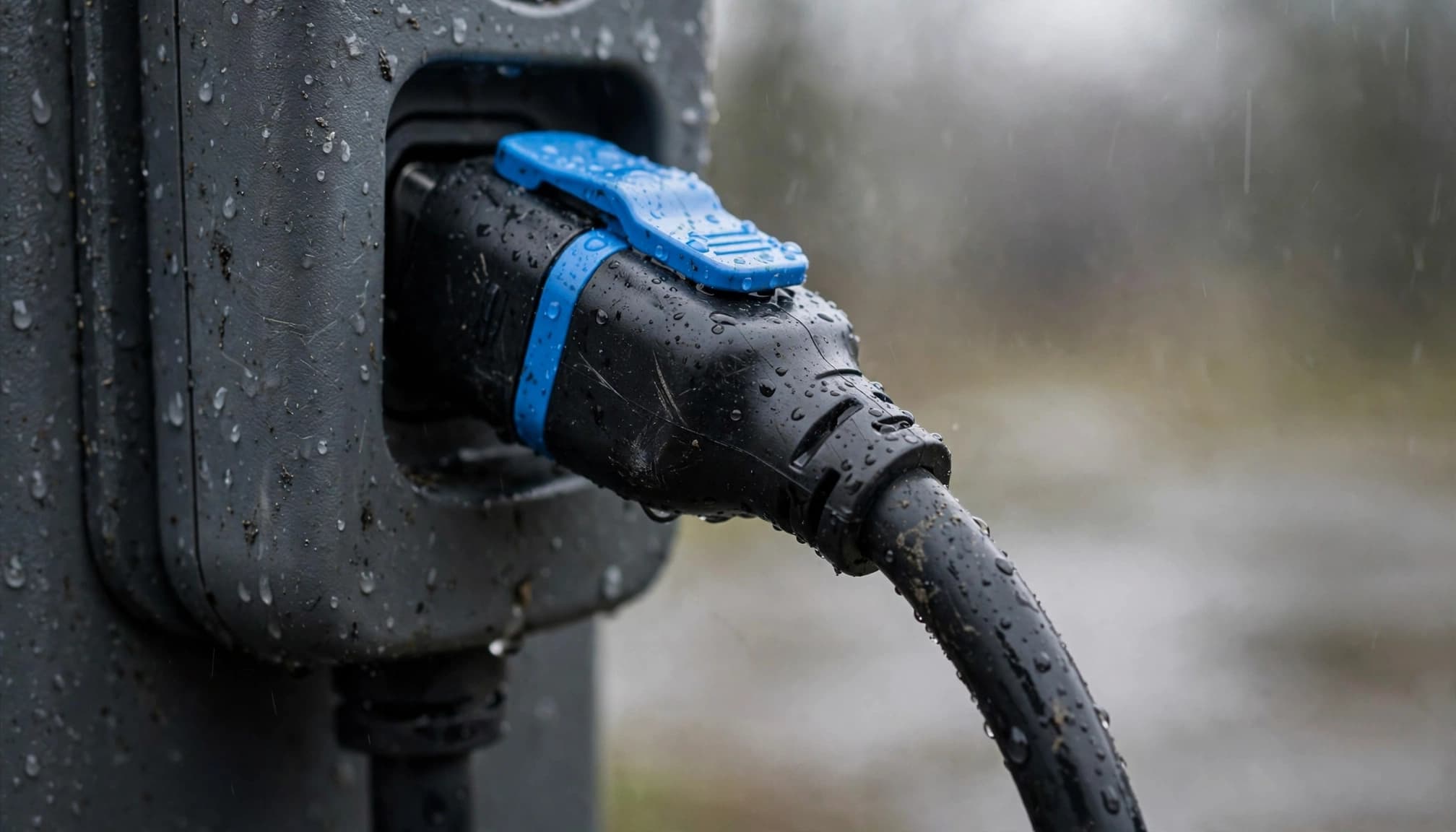
Temperature Control and Reduced Power
Some charging systems reduce output when temperatures approach protective limits. That behavior can keep equipment within its operating range, but repeated reductions deserve investigation.
The cause could involve restricted airflow, a fan problem, coolant circulation, a sensor, or another component. The correct service method depends on the model.
Adapters add another connection to the current path. NREL's recommendations for adapter safety discuss thermal stress and other hazards associated with adapter use.
Drivers shouldn't attempt to cool connectors with wet cloths or improvise repairs. An overheating connection needs an appropriate diagnosis, not a workaround that interferes with temperature protection.
Electrical Safety Comes Before Restoring Service
Public fast chargers contain hazardous electrical energy. Repair work belongs with appropriately qualified personnel following manufacturer procedures, applicable codes, and site safety requirements.
This is general information about maintenance operations, not instructions for opening or repairing charging equipment.
Protective Trips Need a Diagnosis
Electrical protection can interrupt charging because it detects a condition requiring shutdown. The affected system may involve insulation monitoring, grounding, overcurrent protection, or another safety function.
A technician determines why the protective action occurred. Repeatedly restoring power without resolving the cause can put equipment and people at risk.
The inspection boundary may extend beyond the charger. Supply wiring, connections, protective devices, and distribution equipment can require assessment.
That point deserves some respect: a new charger connected to an unresolved supply fault can inherit the same problem.
Isolation and Return-to-Service Controls
Technicians use the appropriate isolation and lockout procedures for the equipment and work involved. Stored energy remains a consideration even after the incoming supply has been disconnected.
Maintenance records should identify the affected equipment, work performed, replaced components, and test results. Where required, the operator also retains inspection or permit documentation.
After repair, equipment returns to service through the manufacturer's commissioning or functional-testing process. Closing a panel and seeing the display illuminate isn't enough.
The objective is a charging system that operates safely under the tested conditions. Nobody benefits from rushing a dangerous charger back onto the map.
Payment and Connectivity Are Maintenance Responsibilities
A station can have healthy power electronics and still leave you standing there with a declined transaction. For the driver, the result is familiar: no charge.
Operators need to maintain the systems that let people purchase the service.
Card Readers and Authorization Systems
Payment problems can involve the terminal, contactless reader, connection, payment processor, or charging backend. Authorization and charging-session records need enough detail to distinguish these failures.
NREL's payment-system best practices identify payment hardware and system maintenance as an important part of reliability.
Physical inspections can identify damaged readers, unreadable instructions, or signs of tampering. Operators also need to test supported payment methods during service work.
A successful app-initiated session doesn't establish that the card reader works. Those are separate paths, and both need attention when both are offered.
Communications and Accurate Public Status
Connectivity failures can interrupt authorization, monitoring, status updates, or remote support. Offline charging behavior varies by equipment configuration and operating arrangement.
Operators should understand what continues working during a communications outage and what stops. Assuming every charger behaves the same way is asking for trouble.
Public status information also needs care. An unavailable port should be marked unavailable promptly rather than continuing to attract drivers.
Our comparison of charging apps and status tools explains the different roles of operator apps and broader charging maps.
A green marker is useful information. Its usefulness depends on the quality and freshness of the data behind it.
Software Maintenance Includes Testing With Real Charging Conditions
Software controls charging sequences, manages power, handles communications, and reports faults. Updates can address defects, security issues, or compatibility problems.
They also change a working system. Operators need a controlled process for introducing them.
Updates Need Records and Follow-Up
A software-maintenance record should identify the equipment, installed version, change date, and result. Operators can then relate new faults to a particular release without assuming the update caused every subsequent problem.
A staged rollout limits the number of chargers exposed to an undiscovered issue. Post-update monitoring looks for changes in failed starts, interrupted sessions, power delivery, and communications.
Remote access also requires protection. Access permissions, credentials, and software support are operational responsibilities, particularly when multiple contractors use the management platform.
The charger may be beside a parking space, but it is also a connected computer controlling substantial electrical power.
Vehicle Communication Needs Enough Time
Before DC charging begins, the vehicle and charger exchange information and perform required checks. Poorly selected timeout settings can terminate that process too early.
The national laboratory publication Timeouts Best Practices addresses premature session termination associated with unsuitable timeout settings.
ChargeX has also developed guidance on automatic recovery from charging errors. Recovery needs to follow defined conditions rather than retrying indiscriminately.
Interoperability testing examines how supported vehicles, connectors, software versions, and authentication methods work together. One successful test vehicle gives useful evidence, but it doesn't cover every combination using the site.
How Operators Move From an Alarm to a Completed Repair
A maintenance ticket needs enough evidence to connect the complaint with a cause and a remedy. Otherwise, the same fault can return under a fresh ticket number.
The sequence varies by equipment, but a sound repair process follows these stages.
- Record the affected port, time, session outcome, error messages, and relevant conditions. Preserve logs before a restart or software change removes useful context.
- Assess safety and customer impact. Damaged connectors, suspected electrical hazards, and similar conditions require the affected equipment to be removed from use. Update public status where possible.
- Diagnose the likely fault area. Review vehicle communication, authorization, power delivery, temperatures, connectivity, and shared site equipment. Remote actions should stay within manufacturer-supported procedures.
- Dispatch the appropriate technician with available diagnostic information and likely replacement parts. A connector repair, communications fault, and upstream electrical problem may require different skills or permissions.
- Test the repaired equipment and document the outcome. Confirm the relevant charging, payment, status, and fault-reporting functions before closing the ticket.
The final record should say what failed, what changed, and what testing supported the return to service. "Reset completed" describes an action. It doesn't describe a diagnosis.
When a fault returns, technicians need the earlier findings, not a pile of unexplained restarts. Records also help distinguish a failed replacement component from an unresolved problem elsewhere.
A successful brief connection is useful evidence within that process. Sustained operation and the relevant manufacturer tests provide a stronger basis for closing a repair involving heat, power delivery, or intermittent shutdowns.
Uptime and Charging Success Measure Different Things
Reliability gets slippery when everyone uses the same word for different experiences. A charger can communicate with its backend while failing to deliver a usable charging session.
Operators need measurements that expose those differences.
These measures answer different operational questions:
| Measure | What It Helps Reveal |
|---|---|
| Port uptime | How much defined time an individual port meets the applicable operational criteria. |
| Session-start success | Whether charging attempts successfully begin under the chosen measurement method. |
| Interrupted sessions | Charging that starts but ends unexpectedly. |
| Repair duration | How long restoration takes after a fault is identified or recorded. |
| Delivered-power performance | Whether output matches the conditions and capabilities of the charging session. |
The strongest reporting uses several measures together and explains how each is calculated.
Port-Level Reporting Prevents Hidden Outages
A site-level figure can conceal a long-running failure at one port. The other dispensers may keep operating while that parking space remains useless.
Operators should retain port-level histories alongside site summaries. They can then identify repeat failures and equipment that spends too much time awaiting parts.
NREL's ChargeX work on charging recovery addresses another part of this picture: recovering suitable failed attempts automatically.
Slow Charging Needs Context
Low power alone doesn't establish a charger fault. Battery temperature, state of charge, vehicle limits, shared equipment, and site power management affect output.
Operators compare vehicle requests, charger capability, and delivered power. That comparison is more informative than a single dashboard number.
For drivers, the distinction matters: a declining charging rate near a high battery percentage can be normal. Repeated station faults or unexplained interruptions deserve a different investigation.
What the NEVI Maintenance Requirements Mean
The National Electric Vehicle Infrastructure program, usually shortened to NEVI, includes federal charging infrastructure requirements.
The standards in 23 CFR Part 680 provide a concrete example of how maintenance, availability, access, and reporting fit together. They shouldn't be presented as the rules governing every public charger.
The Uptime Requirement Is Per Port
For NEVI, each charging port must have average annual uptime greater than 97%. The calculation is performed monthly using the previous 12 months.
The operational definition involves hardware and software availability and successful delivery of the required minimum power. Merely maintaining a network connection doesn't satisfy that complete definition.
The rule permits specified exclusions, including certain utility interruptions and vehicle faults, subject to its conditions and documentation requirements. Operators need records supporting any excluded time.
An outage doesn't become acceptable simply because someone selects a convenient category in a reporting system.
Maintenance Also Has a Reporting Obligation
NEVI-funded charging infrastructure must remain compliant for at least five years after initial operation. States can require longer.
Quarterly reporting includes session information, unsuccessful-session error codes, energy dispensed, peak power, payment method, and monthly port uptime information. Annual reporting includes the previous year's maintenance and repair cost per station and is due on or before March 1.
The rule also includes payment and accessibility requirements. Corridor stations intended to serve corridor users must provide public access 24 hours a day, seven days a week, year-round.
Those requirements connect maintenance to the actual service being funded. Operators need functioning equipment, usable payment methods, access, and records demonstrating performance.
Weather and Site Conditions Can Defeat Healthy Equipment
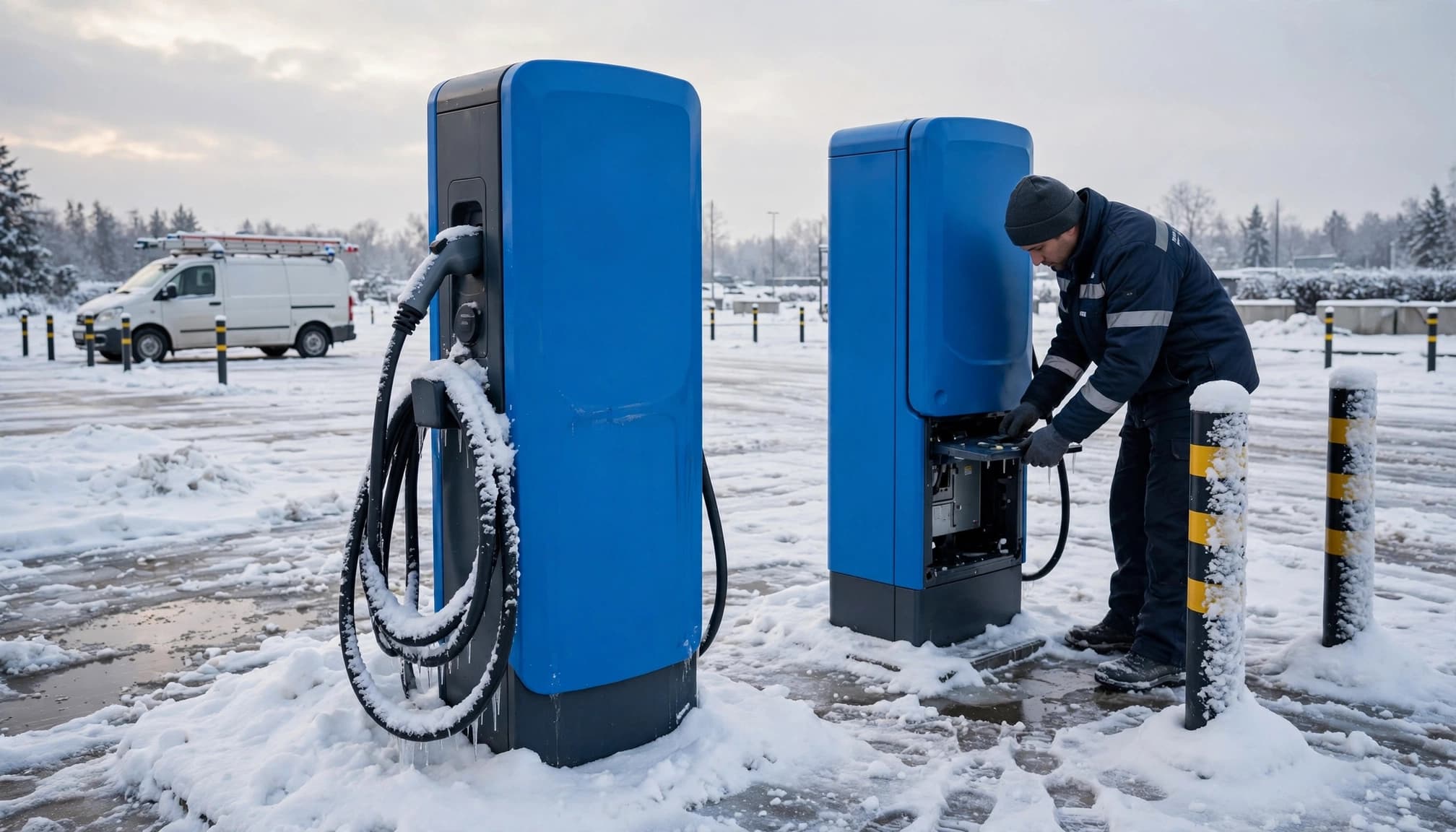
A charger can pass its electrical tests and still be difficult or impossible to use. Snow, standing water, obstructed access, and damaged site equipment all belong in operating plans.
The equipment and the parking area need attention together.
Seasonal Work Starts Before Severe Weather
Cold conditions can make cables harder to handle and allow ice to accumulate around holsters and walking surfaces. Snow clearing needs to preserve access without burying equipment or damaging cables.
Hot weather places additional demands on thermal management. Dust, leaves, and other debris can obstruct ventilation.
Operators plan inspections and site services around local conditions. Flooding or suspected water intrusion requires an appropriate safety assessment before affected equipment returns to use.
An outdoor rating doesn't make a charger suitable for every depth of water or every storm condition.
Accessibility Needs Ongoing Attention
Accessible routes can become obstructed by snow, stored materials, vehicles, or cables left across the path. A compliant layout on installation day doesn't maintain itself.
Lighting, pavement condition, signs, protective bollards, and cable-management systems also need inspection. Damaged infrastructure can make reaching or operating the charger harder.
These details carry extra weight for anyone relying on public charging. An inaccessible regular charging stop can disrupt an ordinary week.
Operators should give site-condition complaints a defined route into maintenance. Otherwise, the report can fall between the charging company and the property manager while the obstruction stays put.
Spare Parts and Service Contracts Shape Repair Times
A fault detected in minutes can still take a long time to repair. The limiting factor may be a replacement component, technician availability, site access, or approval to proceed.
Maintenance planning needs to address those delays before equipment fails.
Parts Availability Is an Operating Decision
Operators need access to replacement components appropriate to their installed equipment. Depending on the design, service inventory may include connectors, cable assemblies, fans, filters, communications hardware, or power modules.
The right inventory depends on failure history, component lead times, equipment compatibility, and the consequences of downtime. Stocking everything is expensive. Stocking nothing can leave a busy port waiting for a delivery.
Records should track model, serial number, hardware configuration, firmware, and previous component replacements. That helps technicians arrive with parts that actually fit.
A nearly correct replacement can be an expensive second trip.
Contracts Need More Than a Response Promise
Service agreements should distinguish acknowledgement, remote diagnosis, technician dispatch, and completed restoration. Those are separate events.
They should also identify coverage hours, spare-parts responsibilities, travel charges, software support, warranty exclusions, and responsibility for upstream electrical faults.
Maintenance budgets need room for scheduled service and unplanned repairs. Network subscriptions, communications, payment services, site upkeep, and replacement parts can all contribute to operating costs.
There isn't one defensible maintenance price for every public fast charger. Equipment architecture, age, utilization, environment, and contract scope change the bill.
For owners and investors, repair history and repeat failures deserve attention alongside installation cost. Cheap equipment can become expensive equipment if it repeatedly loses revenue and requires another service visit.
What Drivers Can Report Without Becoming the Technician
A good driver report can shorten diagnosis. You don't need to identify the failed component, and you certainly don't need to open anything.
The most useful information is the station location, dispenser or port identifier, approximate time, vehicle model, and what happened. Include whether payment failed, charging never began, or the session stopped after delivering energy.
Photograph visible messages and exterior damage from a safe position. If an adapter was involved, identify the supported configuration you were using. Conditions such as heavy rain or extreme cold can be useful context, but timing alone doesn't establish the cause.
Don't remove covers, touch damaged contacts, bypass protection, or keep retrying equipment that appears unsafe. Smoke, arcing, or an immediate danger warrants moving away and contacting emergency services.
For an ordinary failed session, use the operator's posted support channel. A precise port identifier helps support staff find the relevant logs.
Then protect your own travel plan. Our guide to planning fast-charging road trips explains how to avoid making one charging location essential.
A clear report helps the operator. A reachable backup helps you. Both are worthwhile, and neither requires standing beside a broken charger until the maintenance ticket is resolved.
Frequently Asked Questions
How Often Do Public Fast Chargers Need Maintenance?
The equipment manufacturer's instructions establish the servicing requirements. NREL summarizes manufacturer guidance as generally recommending annual inspection and cleaning visits, but usage and conditions can justify more frequent attention.
Remote monitoring runs between those visits where the equipment and network support it. Operators also respond to damage, repeated faults, or changes in performance. A calendar appointment shouldn't delay action on an emerging problem.
Can Operators Repair a Charger Remotely?
Some problems can be addressed through supported remote actions, configuration changes, or software updates. The operator should retain diagnostic information and assess whether the action resolved the fault.
Physical damage, worn components, cooling failures, and electrical defects can require on-site work. Repeated remote restarts don't replace that work. A charger returning online provides less evidence than a properly tested charging session.
Does Slow Charging Mean the Station Needs Repair?
Slow charging can result from the vehicle's battery temperature, state of charge, charging limits, or the station's power-sharing arrangement. The advertised maximum is only available under suitable conditions.
Operators investigate charger performance by comparing requested power, available capability, actual output, and fault information. A single disappointing number on the dashboard doesn't establish which part of the system is responsible.
Why Can a Charger Appear Available but Still Fail?
A status feed may show that a port is connected to its network without capturing every condition needed for a successful session. Payment, vehicle communication, connector damage, or delayed status updates can still interfere.
That is why operators need several performance measures. Drivers benefit when unavailable equipment is marked promptly and support staff can connect a report with the correct port and session logs.
Reliable Charging Depends on Resolving the Cause
Public fast-charging maintenance works when monitoring, field service, software support, and site care stay connected. Each repair needs a clear cause, an appropriate remedy, and testing that supports returning the equipment to service.
For drivers, the result should feel ordinary: connect, authorize, charge, and leave. That ordinary experience takes sustained work behind the cabinet door.
The strongest maintenance record ends with a demonstrated repair, rather than another unexplained reset. That's the standard worth keeping in view, whether you're using the charger, operating the network, or paying to build it.
Sources & further reading

Written by
LarryLeoLarryLeo started EV Charging while researching his own next car purchase. He digs into the pros, cons and real cost savings of going electric — using government, standards-body and manufacturer sources — and shares what he finds so other buyers can decide with confidence.
Why trust EV Charging Guide
Our guides are researched from government, standards-body and manufacturer sources, reviewed for accuracy, and updated when rules or products change. Brands cannot pay for placement. Read our editorial policy.