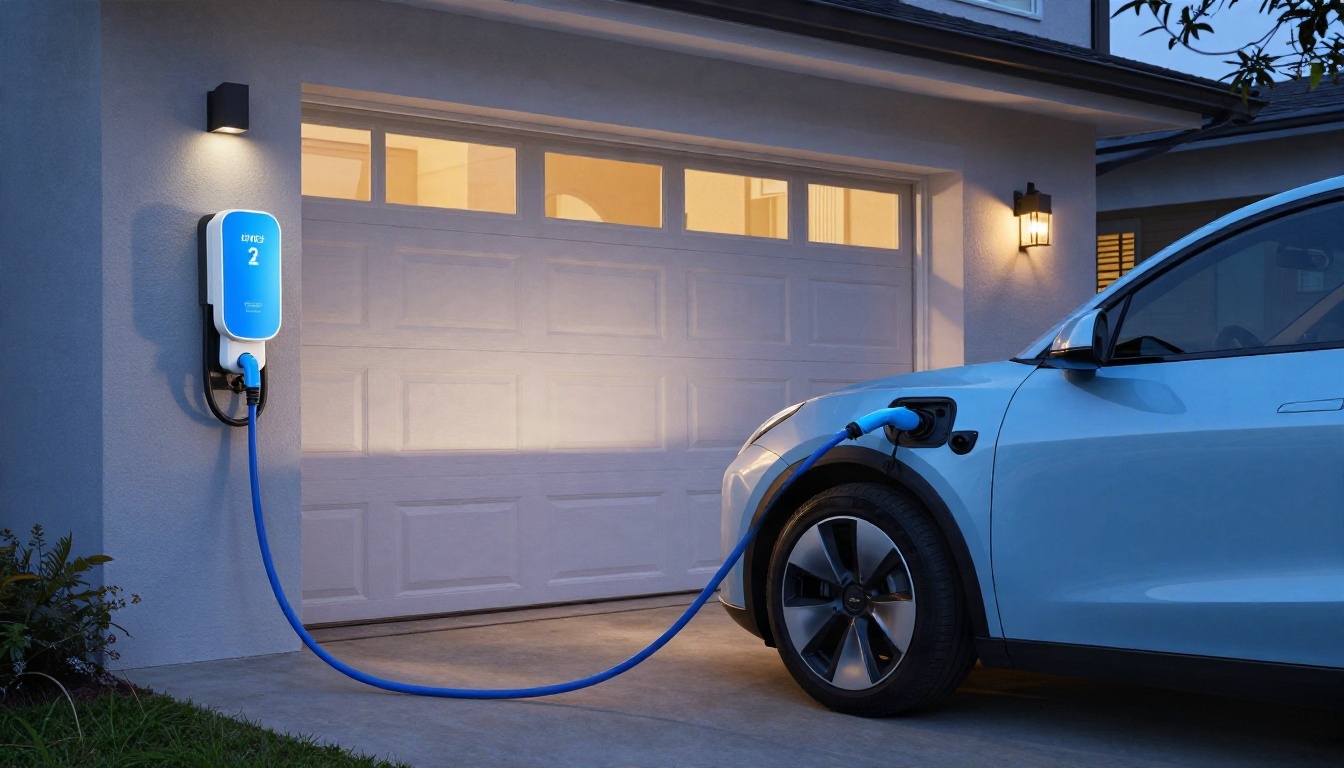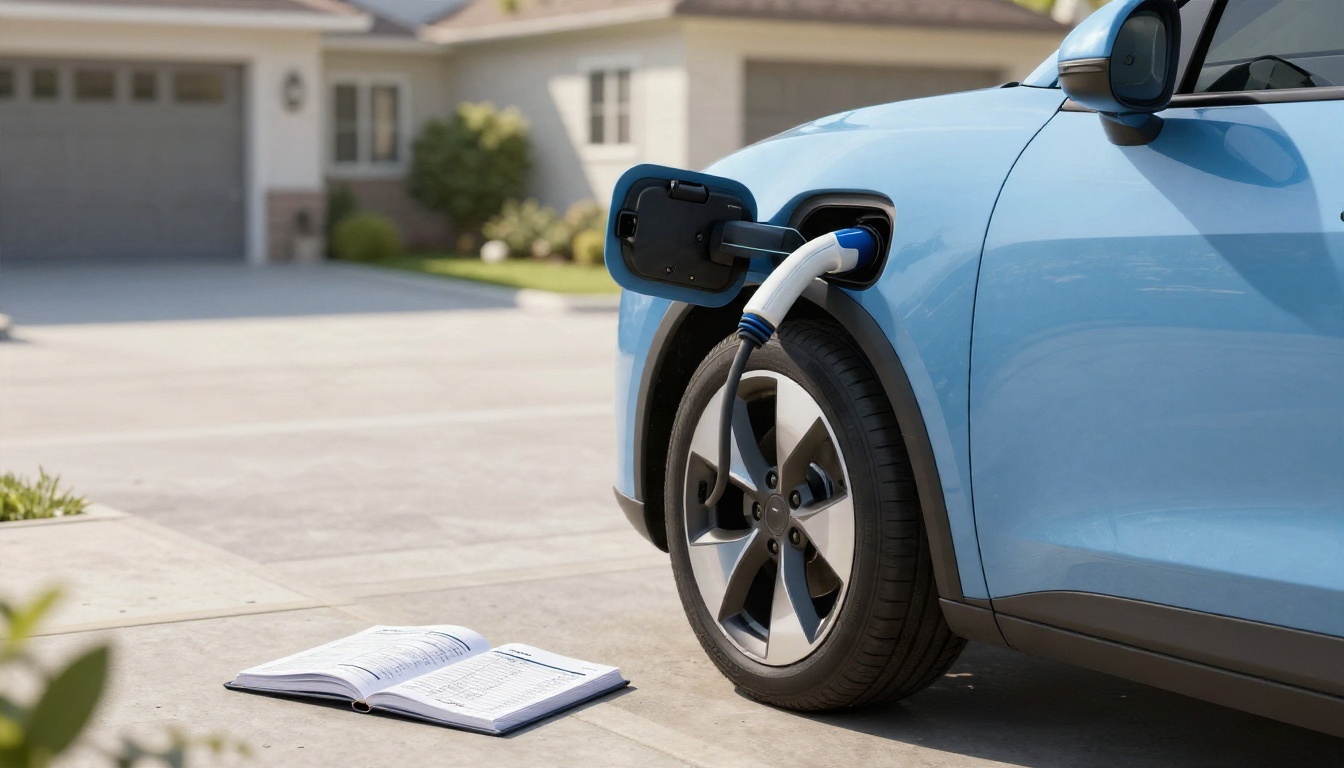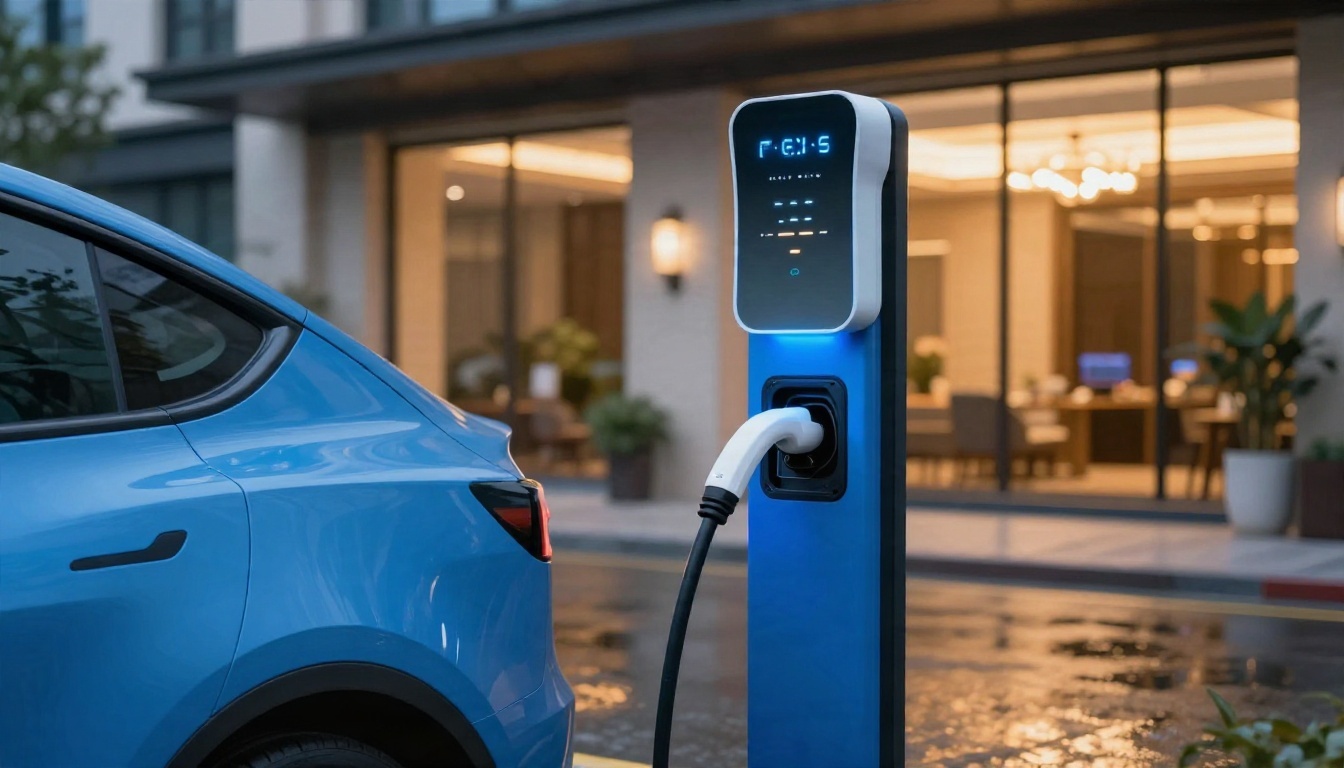
EV Charger Cable Stiff in Cold Weather? What to Check
EV charger cable cold weather guidance helps you spot damage, handle stiff cords safely, and distinguish cable problems from normal battery-related slow charging.
As an Amazon Associate, EV Charging may earn from qualifying purchases. This helps support our independent guides at no extra cost to you. Learn more.
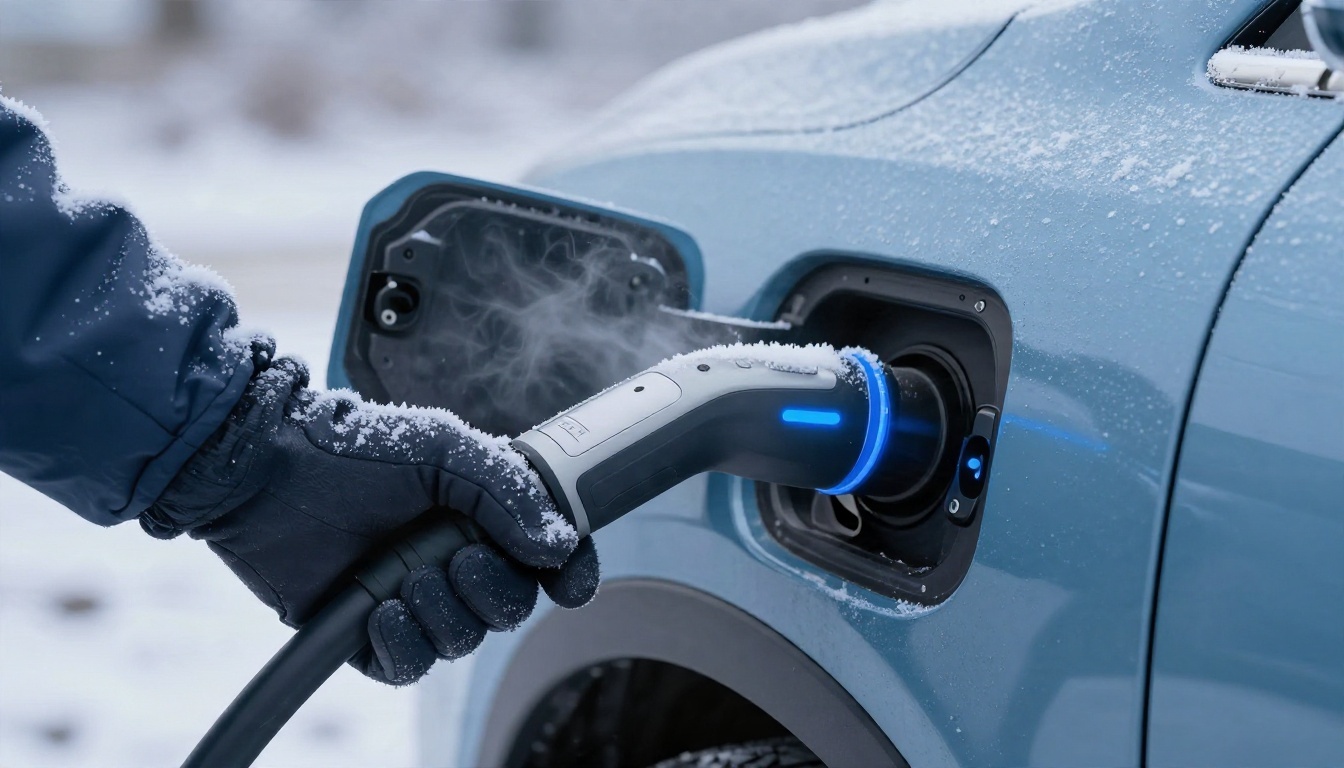
A charging cable can become stiff in winter weather because its outer jacket loses flexibility. If the jacket is intact, the connector is undamaged, and temperatures are within the equipment's operating limits, stiffness alone doesn't mean the charger has failed.
The important distinction is stiff versus damaged. You shouldn't have to wrestle a cable into place, and winter isn't a reason to ignore cracks, overheating, or repeated faults.
Start with the cable's condition, then separate equipment problems from the battery's normal cold-weather behavior.
This post may contain affiliate links. If you make a purchase through these links, I may earn a small commission at no extra cost to you.
Key Takeaways
- Inspect the jacket, connector, and cable entry points before charging. Stop using damaged equipment.
- Give a stiff cable room to curve naturally. Avoid sharp bends, tight coils, and pulling against the vehicle's charge port.
- Read the enclosure rating and operating-temperature limits separately. Neither establishes how flexible the cable will feel.
- Keep connectors in their holster, use sheltered parking when possible, and precondition the vehicle while plugged in.
Why Your EV Charger Cable Feels Stiff in Cold Weather
A charging cable contains more than copper. Its insulation and protective jacket also have to move when you lift, bend, and store it.
Those polymer materials generally become less flexible at freezing temperatures. The cable's construction and materials affect cable flexibility, so two cables rated for outdoor use can feel quite different on the same freezing morning.
Thickness matters, too. A heavier cable can be harder to position even before winter joins the conversation.
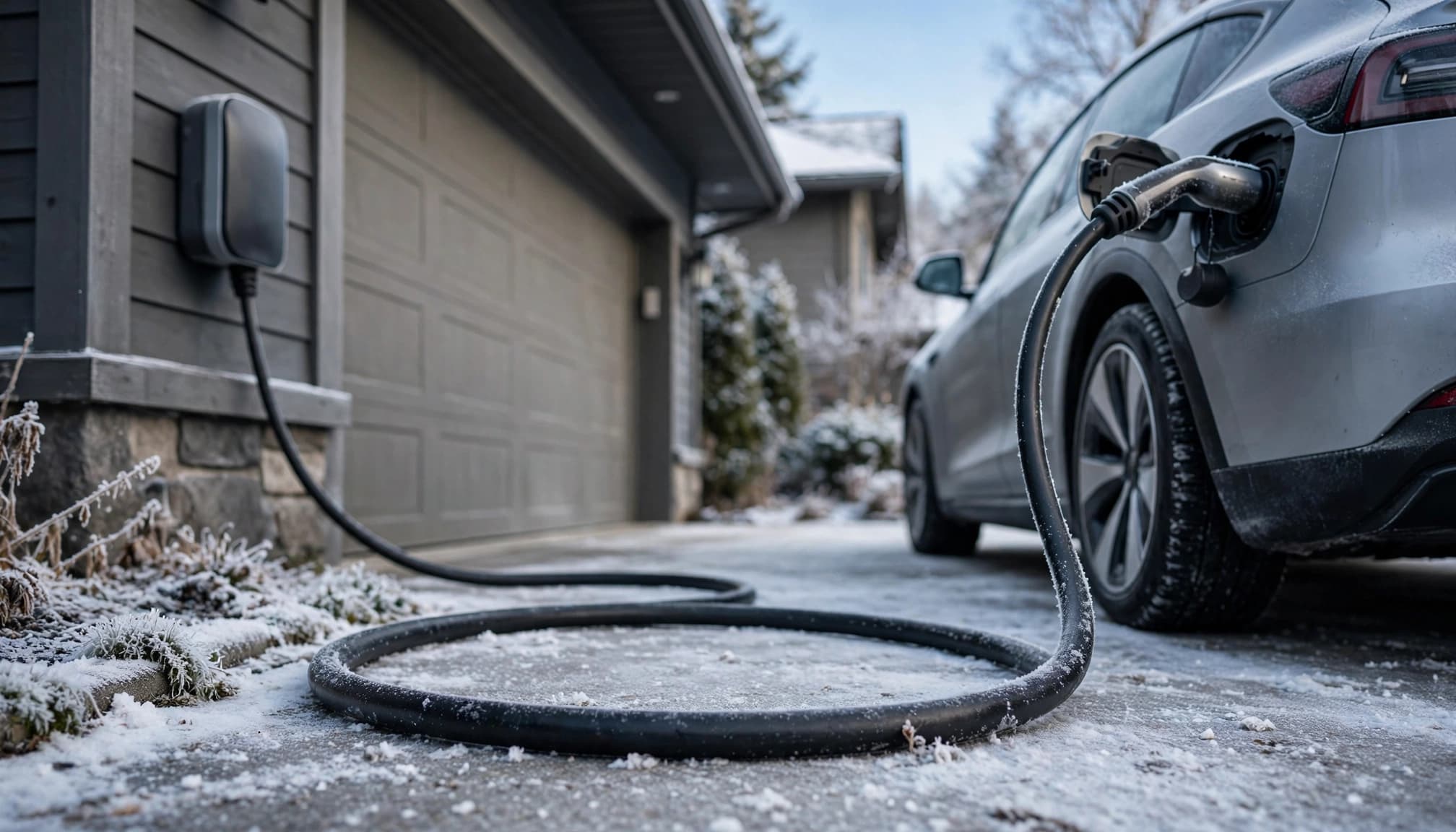
The useful question is whether it still follows a broad curve without being forced. If reaching the charge port requires pulling the cable taut, reposition the vehicle.
Our guide to EV cable reach and winter handling explains how parking position and cable length affect that reach.
Stiffness also doesn't tell you how much power is reaching the battery. That's a separate issue, and mixing the two can send you shopping for equipment you don't need.
Inspect the Cable Before You Plug In
Before moving it, make a visual check as part of charger maintenance. Don't open or repair the equipment. Catch damage before putting another bend or load on it.
Look at the Whole Cable
Look along the accessible jacket for cuts, splits, flattened sections, or exposed inner material. Pay attention near the connector and charger, where the cable repeatedly changes direction.
Inspect the connector housing and latch, too. Broken plastic, damaged contacts, or a cable pulling away from its strain relief are reasons to stop.
Keep fingers and tools out of the electrical contacts. If the cable is buried in snow, uncover it gently rather than yanking it free.
A normal-looking jacket doesn't prove everything inside is healthy. Any suspected damage belongs with the manufacturer, not a tape-and-hope repair.
Treat Heat and Faults as Stop Signs
Electrical safety means stopping use if you notice burning odors, discoloration, melting, or unusual heat. Cold surroundings don't rule out an overheating connection.
Repeated breaker trips and persistent charging faults also deserve more than another reset.
Stop using the equipment. A qualified electrician should assess the electrical supply and installation; the manufacturer should address charger or cable repairs.
Don't bypass protections, increase current to overcome a fault, or assume cold weather explains away a new warning.
Read Enclosure Ratings and Temperature Limits Separately
These specifications answer different questions. A NEMA rating describes enclosure protection, but it doesn't establish cable flexibility or make the cable easy to handle.
What NEMA Ratings Cover
NEMA enclosure types describe protection against particular environmental conditions.
Type 3 covers hazards including windblown dust, rain, sleet, and external ice formation. Type 3R also addresses rain, sleet, snow, and external ice, but differs in dust protection.
Type 6P includes protection against water entry during prolonged submersion at a limited depth under specified conditions. That's stronger water protection, but it isn't permission to charge in floodwater.
There's no universal rule that every outdoor EV charger must be NEMA 3 or 6P. For an outdoor installation, the enclosure must suit the location and exposure. A NEMA number also isn't an overall quality score.
What They Don't Tell You About the Cable
An operating-temperature range describes where equipment is intended to operate. It doesn't promise soft, easy cable handling throughout that range.
For example, Tesla's Gen 3 Wall Connector lists an operating range of -22°F to 122°F. Verify this specification against Tesla's primary documentation for the exact model. The range applies to that equipment generation and isn't a cold-flexibility rating. The phrase "cold-resilient chargers" isn't a standardized substitute for model-specific operating limits or cable-flexibility information, so check the manufacturer's documentation.
When comparing chargers, keep enclosure protection, operating temperature, cable length, and storage requirements separate. A product description that says "weatherproof" doesn't answer all four.
For a sheltered installation, our detached-garage charger guide covers placement and equipment considerations without turning the project into DIY electrical work.
Handle a Frozen Connector Without Forcing It
A stiff cable and a frozen connector can happen together, but they need different responses. Pulling harder can load the charge port, latch, and cable entry point.
Use this order:
- End the charging session through the vehicle or charging station controls.
- Release the vehicle's charge-port lock using its normal procedure.
- Remove loose snow around the outside of the connector without inserting tools into the contacts.
- If ice still prevents release, use the vehicle's approved defrost procedure or allow the ice to thaw.
Don't pour hot water over the connector or reach for a heat gun. Improvised heating can introduce water or damage plastic and seals.
If the connector stays locked after the normal release process, contact the vehicle manufacturer or charging-network support. Public charging cables belong to the operator, so report a frozen latch or damaged cable rather than attempting a repair.
Once disconnected, support the connector by its handle. Don't drag it by the cable.
Store the Cable So Winter Is Easier
Good storage makes the next charge less awkward. A simple winter-proofing routine keeps the connector holstered and the cable in broad, relaxed loops, away from slush.
Use a dedicated holster or the charger's supplied storage mount. Keep the connector off the ground and clear of pooled water, accumulated snow, and vehicle paths.
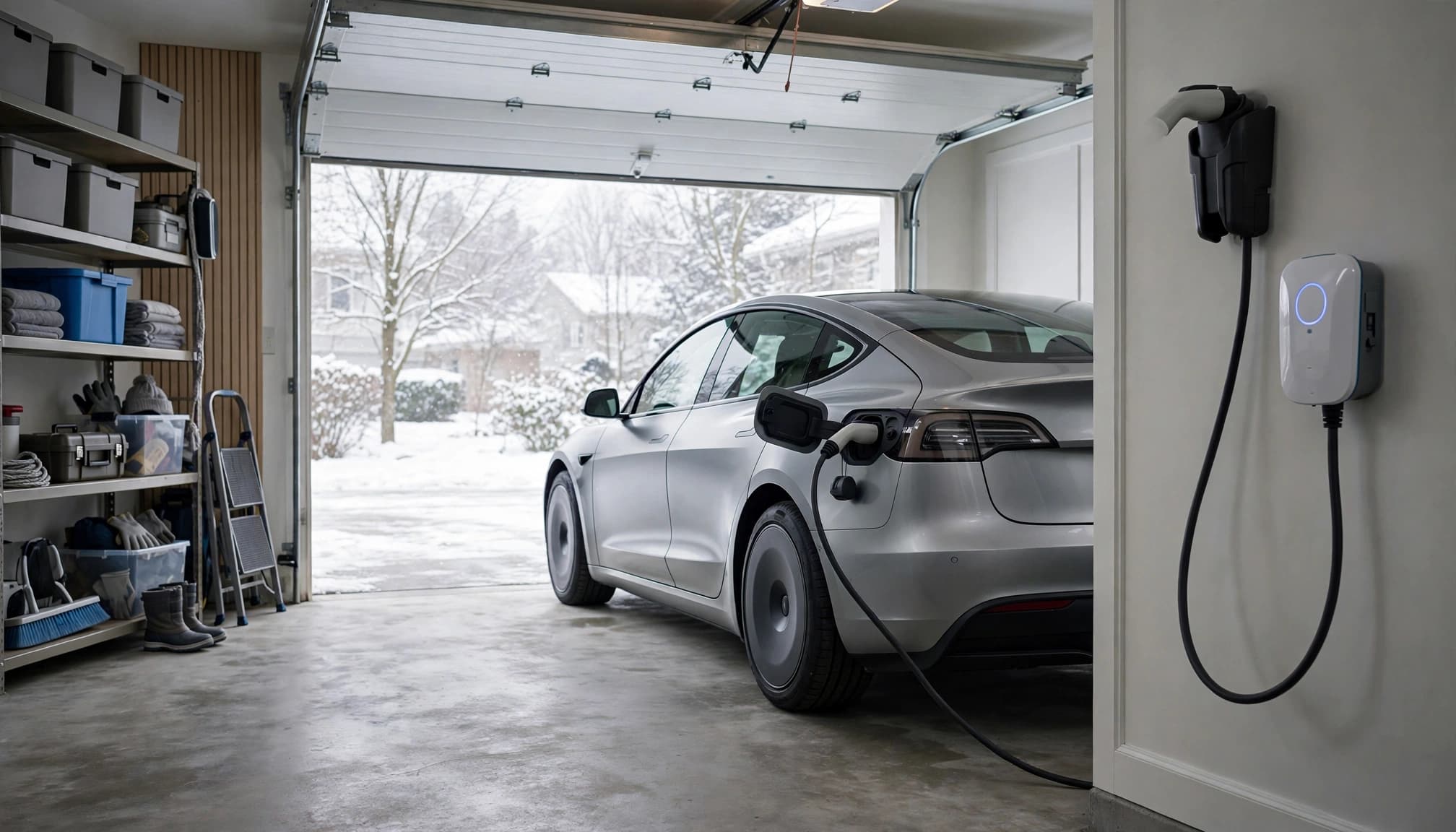
Don't tightly coil a stiff cable or force it into a small decorative reel. Follow the equipment's storage instructions.
An enclosed garage helps shelter the vehicle and charging equipment. Even an unheated garage can reduce exposure to wind, precipitation, and overnight weather changes, although its temperature will vary. Don't add a weatherproof cover unless the manufacturer approves it and it doesn't obstruct required openings.
Keep the cable clear of the garage door. A good parking arrangement shouldn't require closing the door onto it or routing it where tires will cross it.
For portable equipment, use the manufacturer's storage arrangement. Don't improvise a heated enclosure, wrap the charger in insulation, or put electrical connections inside a plastic bag.
Why a Healthy Cable Can Still Charge Slowly
A stiff cable doesn't explain slow charging. Cold conditions can affect battery range and charging speed during winter driving, independently of cable condition.
Battery Temperature Changes Charging Power
A cold battery may accept less power because the vehicle's battery management system limits charging under unfavorable conditions.
DOE's cold-temperature performance report and Recurrent's winter EV range research describe how cold-weather effects vary by vehicle, heating demand, and conditions.
Reduced displayed range alone doesn't establish battery damage.
Level 1 Can Run Out of Headroom
Level 1 uses a 120-volt AC supply. In extreme cold, battery heating can consume much of that modest input.
You can be plugged in and see very little increase in charge percentage. In some conditions, Level 1 may not replace the energy used for daily driving.
Level 2 provides more available power, but the vehicle still controls what reaches the battery. A larger charger can't force a cold battery to accept its maximum rate.
Slow charging without a fault can be normal winter behavior. Damaged insulation, overheating, or repeated faults still require attention.
Compare Level 1 and Level 2 With Clear Numbers
A Level 2 charger can provide more power than Level 1, within vehicle and installation limits, but it won't make a stiff cable more flexible.
The AFDC charging-station guide explains the difference between charging levels. Our home charging time calculator can estimate a charging window, though cold-weather heating can extend it.
If winter charging consistently fails to replace your driving energy, discuss a Level 2 installation with a qualified electrician. Don't solve it with an extension cord or a higher current setting than the installation supports.
Precondition Before a DC Fast-Charging Stop
The vehicle's supported battery-preparation features can affect charging behavior, but they won't soften a cold cable or release a frozen connector.
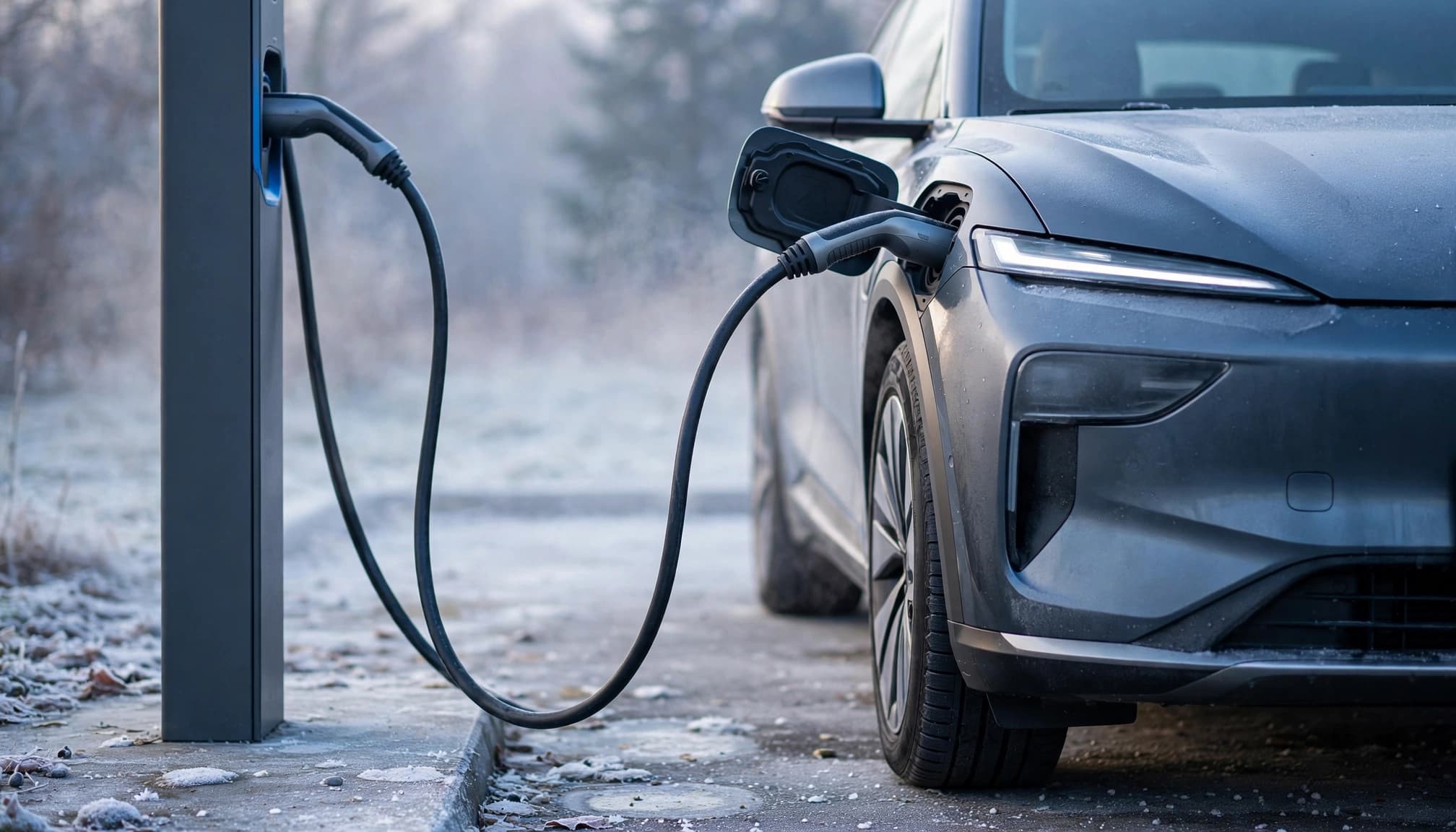
Tesla's winter-driving guidance recommends leaving the vehicle plugged in when possible.
Cabin preheating doesn't tell you the battery is ready for peak charging power. Our guide to how battery preconditioning works explains the difference.
Build a Plugged-In Departure Routine
Park so the charging cable has a relaxed route, without sharp bends or tension. Seat the connector fully without forcing it.
Check the vehicle's charging status before you leave. If charging hasn't started, confirm the connector is secure and follow the vehicle's instructions.
Leave enough time before departure to check the connection. A relaxed cable route and a quick status check make the winter routine easier.
Sources Behind the Guidance
The DOE's winterizing your electric vehicle guidance covers plugged-in preconditioning and sheltered parking.
Questions About Winter EV Charging
Can Charging Equipment Stay Outside During a Winter Storm?
Equipment designed and installed for outdoor use can remain outside within its specified conditions. That doesn't make every portable charger, receptacle, or connection suitable for exposure.
Keep the connector in its holster between sessions. After a storm, look for ice obstruction, impact damage, or flooding before use. Don't use submerged equipment.
Would a Different Cable or Adapter Help?
A replacement cable may change handling, but it must be an approved replacement for that charging equipment. Don't splice in a different cable or add an extension to avoid moving a stiff one.
Adapter compatibility is separate. A J1772-to-NACS AC adapter doesn't enable CCS1 DC fast charging. DC charging requires vehicle-supported DC hardware and applicable network compatibility; connector shape alone isn't enough.
How Cold Is Too Cold to Charge?
The limits depend on the vehicle and charging equipment. Battery temperature, available power, and thermal-management design also affect whether charging starts promptly.
Reduced power can be expected in freezing conditions. An out-of-range temperature warning, persistent fault, or damaged component calls for the manufacturer's response, not repeated attempts to make charging start.
Give the Cable Room and Take Damage Seriously
A stiff EV charging cable deserves gentler handling and a clear inspection. Keep it within its operating conditions, use broad curves, and store the connector above the snow and slush.
Then treat slow charging as a separate question. Battery temperature and available power often explain the delay.
The useful winter habit is less force, more preparation. A cable that won't reach comfortably needs a better parking position. Damage, unusual heat, or repeated faults need professional attention.
Safety note: This article is general information, not professional electrical advice. Working with 240V circuits can cause serious injury or fire. Hire a licensed electrician and follow local codes and permit requirements.
Sources & further reading

Written by
LarryLeoLarryLeo started EV Charging while researching his own next car purchase. He digs into the pros, cons and real cost savings of going electric — using government, standards-body and manufacturer sources — and shares what he finds so other buyers can decide with confidence.
Why trust EV Charging Guide
Our guides are researched from government, standards-body and manufacturer sources, reviewed for accuracy, and updated when rules or products change. Brands cannot pay for placement. Read our editorial policy.