Plug & Charge: Setup, Compatibility and Common Problems
Plug and charge uses ISO 15118 certificates to authorize EV sessions. Learn setup requirements, compatibility limits, billing basics and fixes for failed starts.
As an Amazon Associate, EV Charging may earn from qualifying purchases. This helps support our independent guides at no extra cost to you. Learn more.
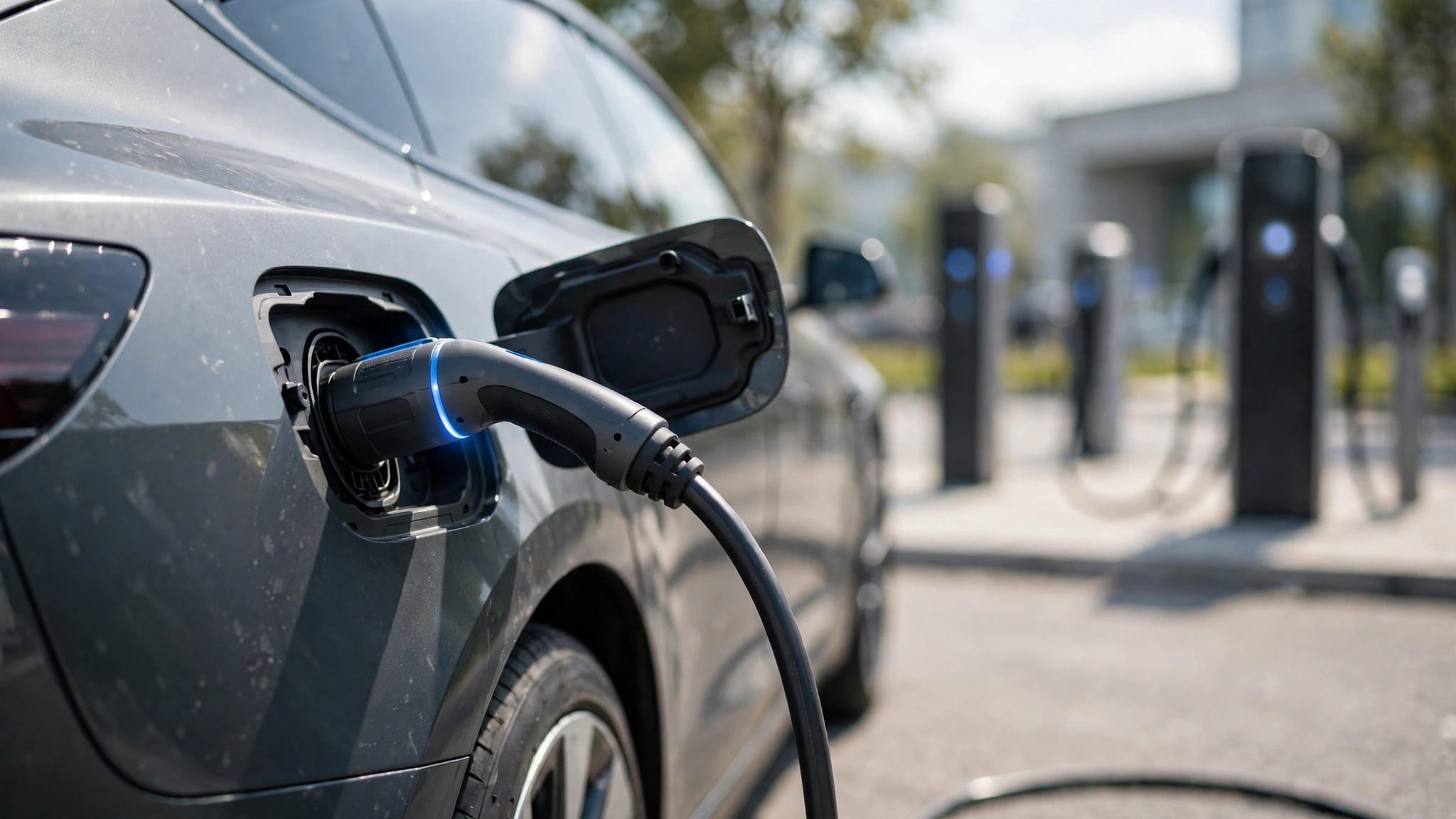
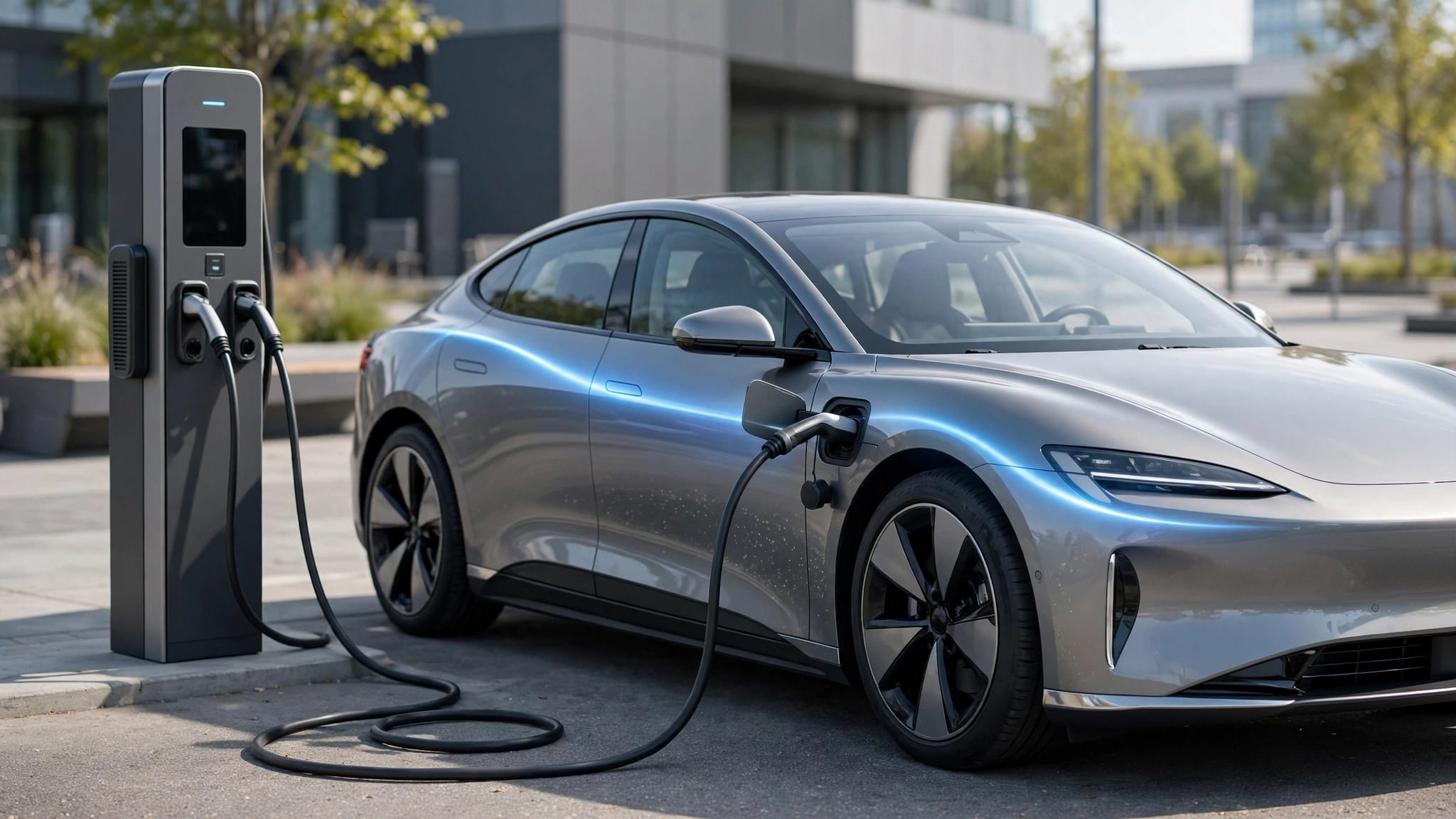
Plug and charge lets a compatible EV identify its charging contract and authorize payment when you connect the cable. Once everything is set up, you don't need to open an app or tap a card to start each supported session.
The important word is compatible: your vehicle, charging station, account and security credentials all have jobs to do. Let's separate those pieces so you know what to set up, what automatic charging actually promises, and what to do when the charger seems determined to have a conversation.
This post may contain affiliate links. If you make a purchase through these links, I may earn a small commission at no extra cost to you.
Key Takeaways
- Plug & Charge uses ISO 15118 communication and digital certificates to authorize a charging contract. Connecting the cable starts that process, but successful authorization still depends on the complete system.
- Your EV needs the feature enabled, an active charging contract and a provisioned contract certificate. An installed app or saved payment card alone doesn't finish enrollment.
- CCS and NACS describe connector interfaces. Neither connector name, nor an adapter that physically fits, guarantees automatic authorization.
- Authentication, billing and charging speed are separate issues. A failed contract can prevent a start; a cold battery can limit power after authorization succeeds.
- Keep another supported payment method available. Automatic authorization removes a routine step, but it doesn't remove station faults, account problems or backend outages.
What Plug and Charge Does for You
The appeal is easy to understand. You arrive, connect the car and let the charging system handle identification and authorization. Less standing beside a screen. Less digging through apps while your coffee gets cold.
ISO's vehicle-to-grid communication overview covers identification, charging control, payment, cybersecurity and privacy. Plug & Charge uses that communication framework to support automatic contract authorization.
The Cable Starts an Account Conversation
The vehicle and charging equipment exchange information after connection. For Plug & Charge, that exchange includes credentials associated with an e-mobility contract.
The station then needs an authorization decision. Depending on the implementation, the charging equipment or its connected central system handles parts of that process.
For you, the visible result is simple: the session starts under the linked account. Behind that simple moment, several systems have agreed that the contract is valid and charging is permitted.
Automatic Authorization Still Has Boundaries
Plug & Charge doesn't make an incompatible station usable. It doesn't reserve a parking space, repair a broken connector or override a vehicle's charging limit.
It also doesn't mean electricity is free. The session follows the terms associated with the contract that authorizes it.
I think that distinction deserves attention. Convenience can make payment feel invisible, but the transaction is still there. You want the correct account doing the paying, especially when you have a personal plan, an employer account or an included charging benefit.
How Certificate-Based Authorization Works
A digital certificate is an electronic credential. In this setting, it helps establish trust between the vehicle, charging equipment and organizations responsible for the charging contract.
CharIN's ISO 15118 implementation guide describes automatic authorization alongside other communication functions, including charging schedules and tariff information. These functions share a communication framework, but they aren't interchangeable features.
The Vehicle Carries a Contract Credential
The vehicle's contract certificate is associated with an e-mobility contract and its identifier, often called an eMAID. That's different from the certificate used by the charging station.
In the described ISO 15118-2 process, the vehicle proves possession of the corresponding private key by signing a challenge. Think of the certificate as a credential and the private key as the means of proving the vehicle can legitimately use it.
The technical names are EVCC, the Electric Vehicle Communication Controller, and SECC, the Supply Equipment Communication Controller. Those are the vehicle-side and equipment-side participants in this conversation.
You don't need to manage those controllers yourself. Their job is to make the exchange work without turning the driver into an IT administrator.
A Trusted Certificate Isn't the Whole Decision
A certificate can establish a trusted identity while the associated charging contract remains inactive, expired or unrecognized by the service involved.
That's why authentication and authorization need separate explanations. Authentication establishes who or what is presenting a credential. Authorization decides whether that credential permits this charging session.
Payment status, contract status and service relationships can affect the second decision. The charging system may recognize the credential perfectly and still refuse the session.
A valid certificate doesn't guarantee an authorized session. The charging contract behind it must also be accepted.
This distinction becomes useful when troubleshooting. Reconnecting the cable won't repair an expired payment card or reactivate a suspended contract.
Compatibility Depends on More Than the Car
A supported vehicle is necessary, but it isn't the entire compatibility story. The charging station, software and service relationships matter too.
Our EV charging compatibility guide separates physical connections, charging capability and network access. Plug & Charge adds another requirement: the automatic authorization process must work across those components.
Vehicle Hardware and Software Must Support It
A vehicle needs the communication capability and software implementation required for the service. It also needs an installed, usable contract credential.
An app that can remotely start charging doesn't establish that the vehicle supports certificate-based authorization. Those are different paths to the same practical outcome.
Software matters because communication behavior, certificate handling and provisioning are implemented in software. A compatible vehicle with incomplete activation can behave like an unsupported vehicle at the charger. From the driver's seat, both may look like a cable connected to absolutely nothing.
The Station and Service Must Participate
The charging equipment must support the relevant communication process. Its backend must also recognize or route the authorization request for the contract involved.
This is where roaming and service relationships enter the picture. A contract accepted through one arrangement doesn't automatically become accepted through every other charging service.
Industry testing also matters. ISO's second-generation conformance test plan addresses testing requirements for the communication stack. Conformance testing is useful, but field compatibility still depends on the complete implementation.
For drivers, the useful unit is the vehicle, station and contract combination. A brand name alone is too broad. For operators, the lesson is similar: component support needs to translate into a working end-to-end session.
Why CCS and NACS Don't Settle Compatibility
A connector tells you something about the physical and electrical interface. It doesn't tell you everything about the conversation happening through that connection.
In North America, J1772 is associated with AC charging, CCS1 adds DC contacts, and NACS/J3400 supports AC or DC with compatible equipment. Our explanation of J1772, CCS and NACS differences covers those distinctions.
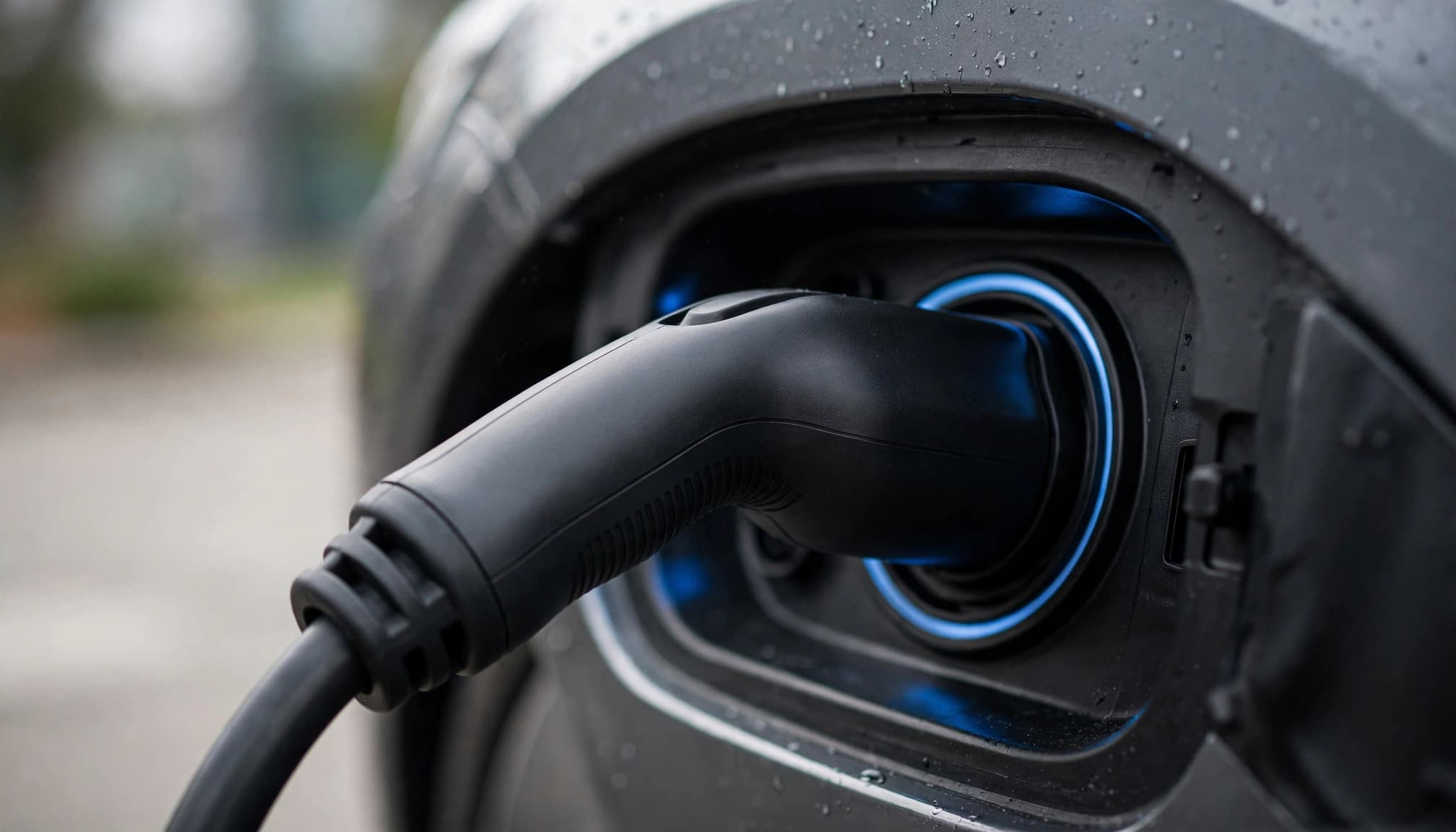
For Plug & Charge, physical fit is only the beginning. The vehicle and station still need compatible communication, usable credentials and an accepted charging contract.
An adapter doesn't create those capabilities by itself. It must be approved for the vehicle and intended charging arrangement. AC and DC adapters serve different uses, even when product names sound frustratingly similar.
An AC destination-charging adapter cannot substitute for an approved DC fast-charging adapter. Nor does a DC adapter promise that automatic billing will work.
There's another distinction: station access. Equipment can be electrically compatible with a vehicle while the network doesn't authorize that vehicle or account through the intended method.
The practical takeaway is straightforward. Treat connector compatibility, access and automatic authorization as separate questions. A positive answer to one doesn't settle the others.
And don't buy an adapter as a cure for a certificate error. That's money spent on the wrong part of the problem.
Plug & Charge, Autocharge+ and App Starts Differ
Several services can make charging feel automatic. They don't all use the same underlying process.
This matters when you enroll, change vehicles or troubleshoot. Instructions for one service may have very little to do with another.
Similar Convenience Can Use Different Methods
ISO 15118 Plug & Charge uses certificate-based authorization. Electrify America's Plug&Charge technology announcement describes its use of encrypted communication under that standard.
EVgo's Autocharge+ is a separately enrolled automatic-start service with its own vehicle eligibility requirements. An EVgo account alone doesn't complete vehicle enrollment.
The sensible distinction is between the driver experience and the mechanism underneath it. Two services can both begin charging after connection while using different enrollment and identification processes.
Here are the practical differences.
| Starting Method | What Authorizes the Session | What You Usually Do at Arrival |
|---|---|---|
| ISO 15118 Plug & Charge | A vehicle contract credential and authorization decision | Connect the vehicle |
| An enrolled automatic-start service | The service's supported vehicle-identification process | Connect the enrolled vehicle |
| App-based start | An account action through a supported app | Select the charger and start |
| Supported card or RFID start | A payment card or access credential | Present the accepted credential |
The result may look similar, but the setup and failure points differ.
Keep Manual Starts in Their Own Category
Starting through an app remains useful. So does guest card payment where the station supports it.
Our guide to charging apps and payment options covers those routes. They're separate authorization methods, not proof that Plug & Charge enrollment succeeded.
A successful app start tells you the charger can serve your vehicle through that method. It doesn't establish that the vehicle's contract certificate is installed or accepted.
That distinction saves a lot of circular troubleshooting.
Set Up the Vehicle and Contract Before Arrival
Plug and charge setup has three broad requirements: an enabled vehicle feature, an activated charging contract and a provisioned contract certificate.
The order and screen names depend on the implementation. Some systems use the automaker's backend for provisioning. Others can involve the charging station.
Start With the Correct Account and Vehicle
Associate the vehicle with the account intended to pay for charging. Add a usable payment method where the contract requires one, and complete the contract activation.
Electrify America describes an enrollment route for eligible EV owners with applicable charging benefits. Its app path is Account, Plans, the applicable Premium Offer, then "Plug&Charge Activate Now" and the activation prompts.
The Ford Mustang Mach-E is one vehicle example named in that enrollment guidance. That example doesn't establish blanket support for every vehicle, account or charging arrangement.
The important point is the relationship between the car and the plan. Creating an account, adding a car and activating its charging offer are distinct actions. One completed screen doesn't necessarily complete all three.
Let Credential Provisioning Finish
Provisioning places the contract credential where the vehicle can use it. Until that happens, a paid or activated plan may exist without automatic authorization being ready.
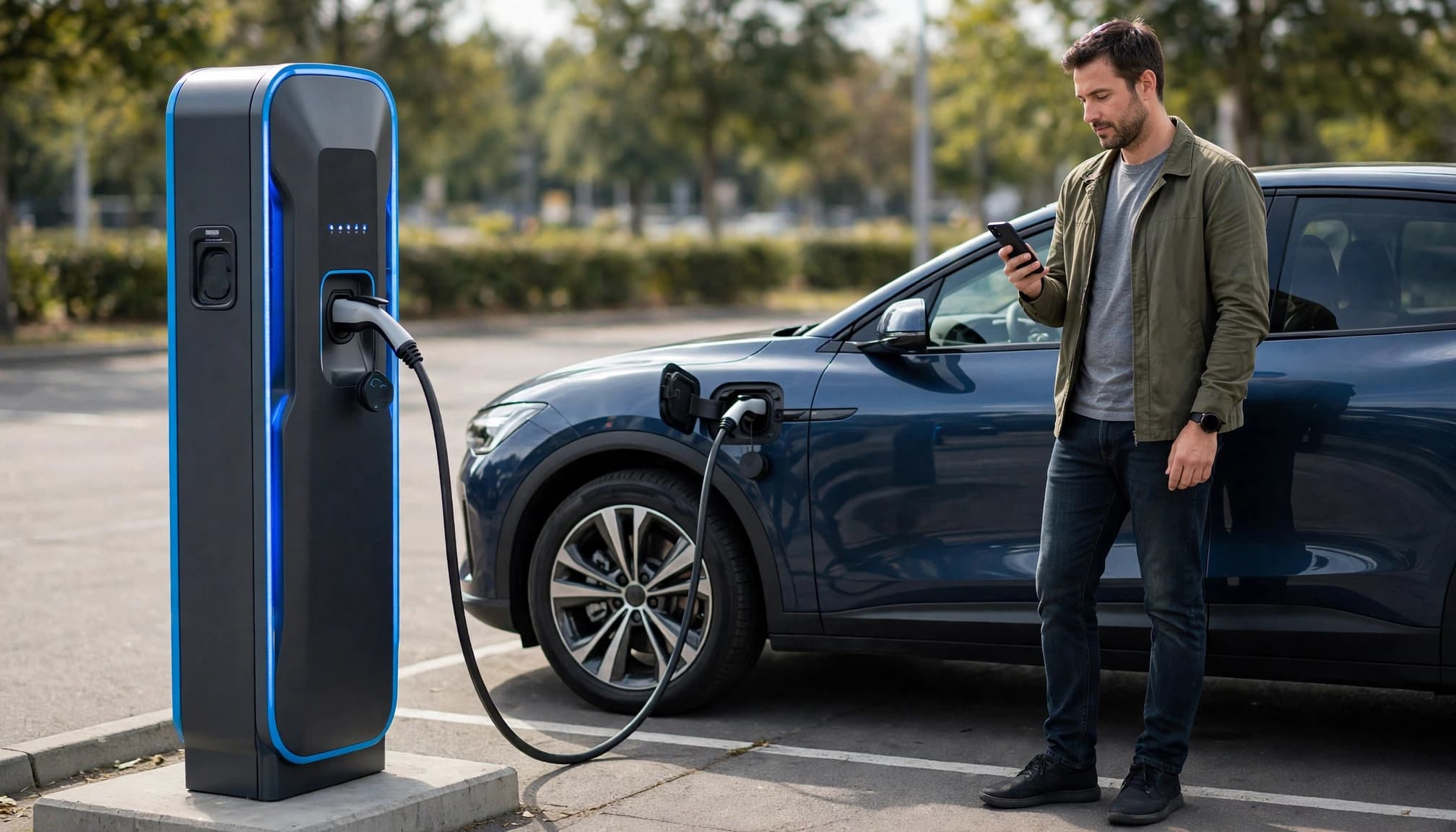
A saved payment card isn't a substitute for the vehicle's certificate. Neither is an app notification that merely acknowledges account creation.
Use the activation status provided by the service to distinguish enrollment in progress from enrollment completed. If activation reports a failure, finish resolving that account or provisioning problem before relying on an automatic start.
For a used vehicle, account association deserves extra attention. The car may need a supported ownership-transfer process before a new charging contract can be associated correctly.
Make the First Session a Low-Pressure Test
The first session should establish that your actual combination works. An enrollment confirmation is encouraging. Energy reaching the battery under the intended account is better evidence.
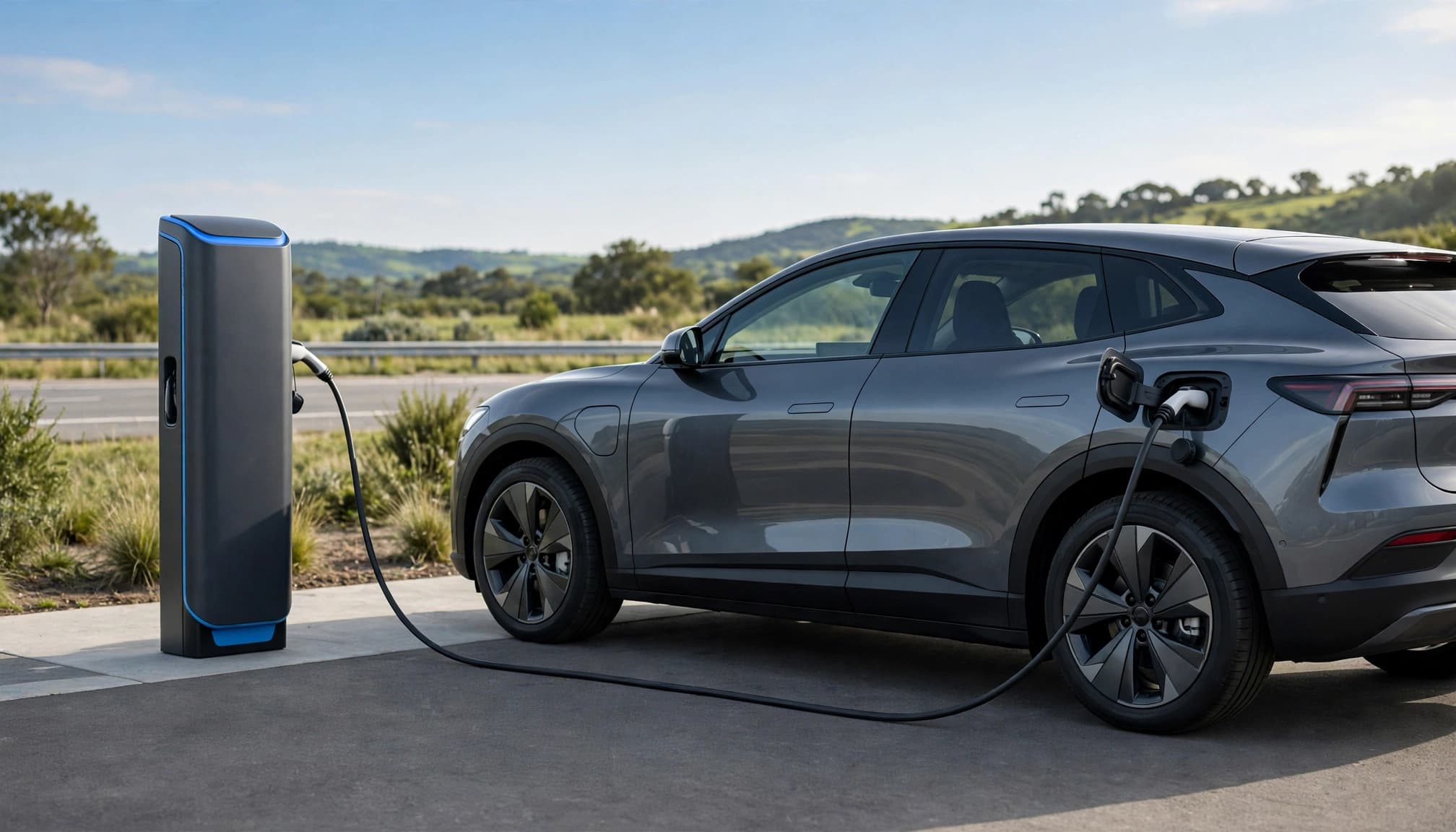
Choose a first session with enough battery remaining to use another station if needed. Nobody needs an authorization lesson delivered at 2% charge.
- Park so the cable reaches without strain, and inspect the equipment for visible damage.
- Connect the supported cable and adapter arrangement, if an approved adapter is required.
- Allow the station and vehicle to complete their connection and authorization sequence.
- Look for an active session and measurable energy delivery, rather than relying on a connected-cable symbol.
- Identify the account or contract used in the session details.
- End the session through the supported control and review the resulting receipt or charging record.
The first session also teaches you what normal looks like: the messages, the delay before power starts and the location of the receipt.
Don't race the charger by launching several payment methods while it is still processing. If the automatic attempt fails, let that attempt end before beginning a separate supported start.
Our approach to planning reliable charging stops uses the same principle: a reachable alternative is more useful than absolute faith in one map pin.
Once automatic charging works, keep that first receipt. It gives you a concrete reference for the account, location and billing route that succeeded.
Automatic Billing Doesn't Choose Your Cheapest Rate
Plug & Charge authorizes a contract. It doesn't act as a personal price-comparison service.
That distinction matters when you have several ways to pay. A network account, an automaker charging service and an included benefit can have different terms.
The Authorizing Contract Determines the Billing Route
The contract used for authorization determines which account receives the session and which applicable terms govern it.
A discount attached to a separate account shouldn't be assumed to apply. Having both apps installed doesn't merge their memberships, balances or benefits.
The same caution applies to employer charging. A vehicle associated with a personal contract may charge that account even when the driver intends the session to be reimbursable.
I would separate convenience and cost here. Automatic starts are convenient. The receipt tells you whether that convenience used the billing arrangement you intended.
For a first session, review the energy quantity, applied rate, account and any benefit used. That is a meaningful test of the setup.
Parking and Idle Fees Remain Separate
Automatic authorization doesn't cancel parking rules or fees after charging ends. A garage can charge for access or parking independently of the electricity transaction.
Idle fees also have their own triggers. Finishing the battery charge doesn't necessarily finish the financial consequences of occupying the space.
There's no universal Plug & Charge electricity price. The communication standard doesn't set a retail tariff, membership fee or complimentary-charging allowance.
Nor does it promise the lowest available price. If an account is authorized, the system has completed its authorization job, even when another payment route would have cost less.
The useful habit is simple: understand the billing route before making it your default, then use receipts to spot mistakes.
What Plug & Charge Security Does and Doesn't Cover
Certificate-based authorization is designed to establish trusted communication without requiring drivers to enter payment information for every session.
That reduces some routine interaction with payment interfaces. It doesn't remove the need for account security, sensible privacy choices or functioning software.
Encryption Protects the Communication Exchange
The ISO 15118 edition matters. CharIN's TLS implementation guidance distinguishes TLS 1.2 for ISO 15118-2 Plug & Charge from TLS 1.3 with mutual authentication under ISO 15118-20.
TLS is Transport Layer Security, the protocol used to protect the communication channel. Certificates and private keys support trust and proof of credential possession.
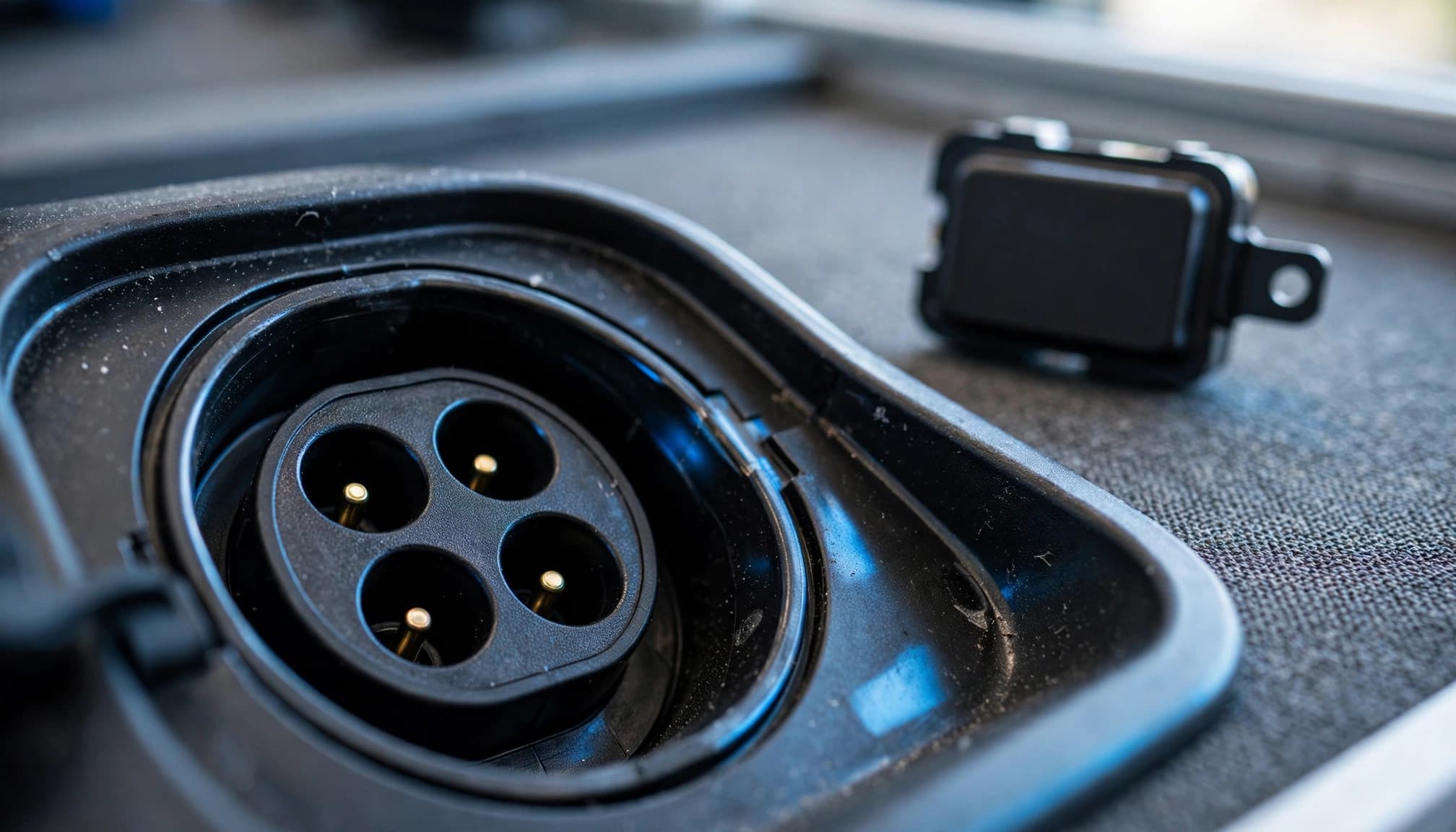
The important practical point: the charging connection doesn't need to expose your bank-card number as the vehicle's charging credential.
Automatic Charging Still Creates Account Records
A billed charging session creates records. Depending on the service, those records can include the station, time, energy delivered and account association.
Plug & Charge therefore shouldn't be described as anonymous charging. Someone responsible for the transaction needs enough information to authorize and settle it.
Protect the account used to manage the service. Use a unique password and multifactor authentication where available. Remove obsolete access when a vehicle changes ownership or leaves a company fleet.
For shared vehicles, agree on the charging account before handing over the keys. Automatic payment is wonderfully easy to forget when someone else is doing the driving.
When Nothing Happens After You Plug In
A silent charger can mean several things. The vehicle may not recognize the connection, authorization may be pending, or the equipment may have a fault.
Start with what you can observe. Has the vehicle detected a cable? Does the station report a communication problem, a declined contract or an active session?
Separate Connection Problems From Account Problems
A connection that never registers points toward a different part of the system than a clear payment or contract rejection.
Make sure the connector is seated according to the equipment instructions. Heavy cables can pull awkwardly, particularly when parking leaves the cable stretched.
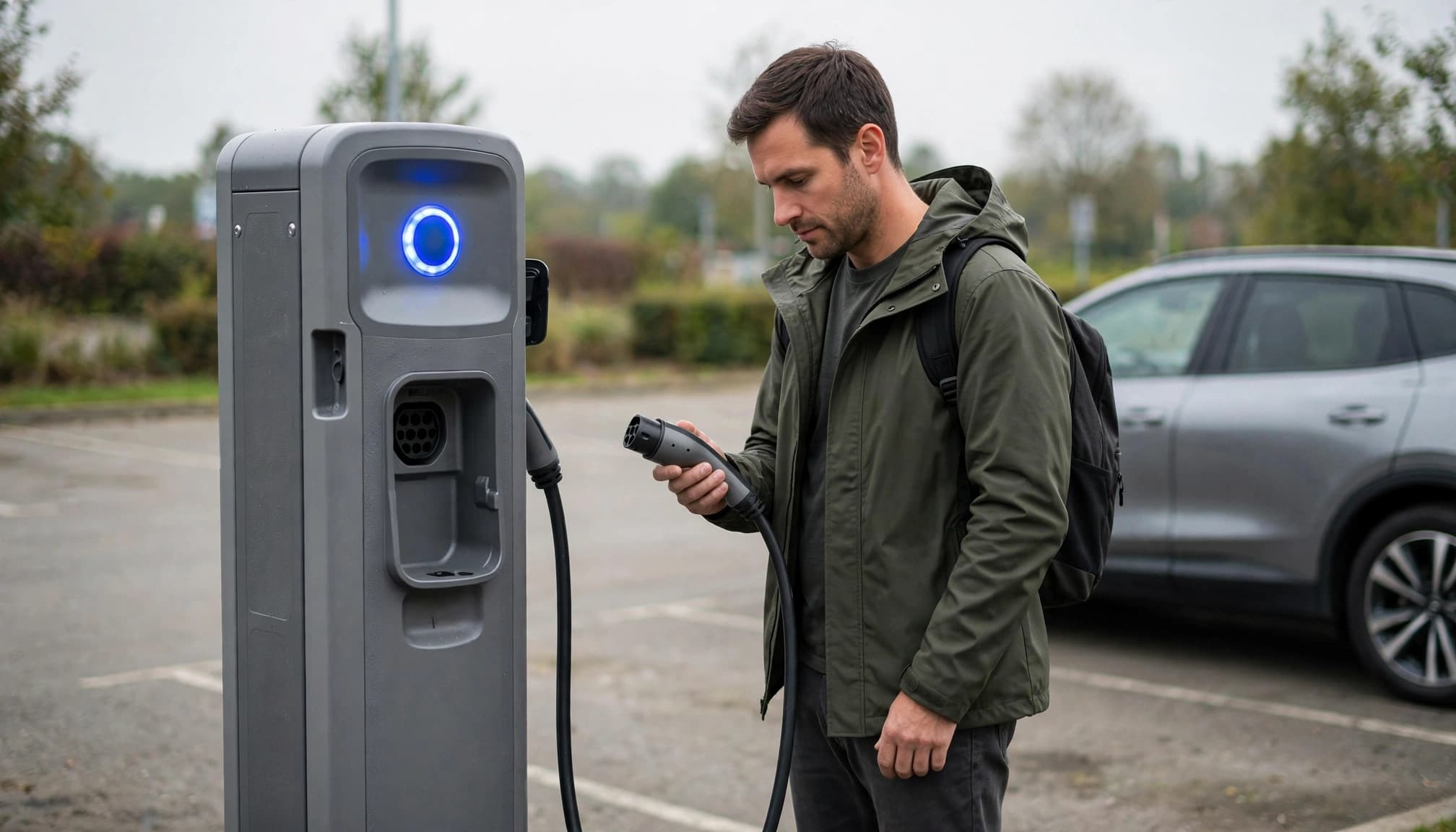
Don't force a latch, manipulate contacts or keep using visibly damaged equipment. A damaged connector needs the operator's attention.
If the station has completed a failed attempt, a supported disconnect and reconnect can begin a new attempt. That won't repair a damaged connection or an account rejection, so avoid endless retries.
Read the Failure Before Changing the Method
"Authorization failed" and "vehicle communication failed" aren't interchangeable messages. Record the exact wording, station identifier and approximate time before moving on.
If the station supports an app, card or RFID start, that method may provide another route. Follow its normal starting sequence after the failed attempt ends.
A successful manual start narrows the problem: the vehicle and station can charge through that route, while automatic authorization needs attention.
If another supported stall works, the first unit may have an equipment or configuration problem. If the same contract fails across working stations, the account or credential becomes a stronger suspect.
These observations help isolate the fault. They don't make every failure the driver's responsibility.
When the Contract or Certificate Is Rejected
Certificate and contract problems can feel especially confusing because the hardware may be working perfectly. The charger sees the car. The connection begins. Then the session stops before energy flows.
This is where the distinction between authentication and authorization earns its keep.
An Account Can Be Active While Provisioning Is Incomplete
A charging plan can appear in an account before the vehicle has received a usable credential. Enrollment, contract activation and certificate installation are related steps, but they're separate steps.
The opposite problem is also possible: a vehicle can retain a credential associated with a contract that is no longer active.
Changed payment details, expired benefits, account restrictions or an ownership transfer can affect authorization without changing the connector or charging hardware.
Use the service's displayed activation and contract status to identify which stage has failed. Repeatedly entering the same payment card won't install a missing vehicle certificate.
And deleting every account involved can make the situation harder to untangle. Preserve the error message and the status information first.
Certificate Trust and Validity Can Fail
A certificate has a validity period and a chain of trust. The system must be able to establish that the credential is acceptable for the intended exchange.
Problems can involve an expired credential, an incomplete certificate chain, an untrusted issuer or a failed provisioning process.
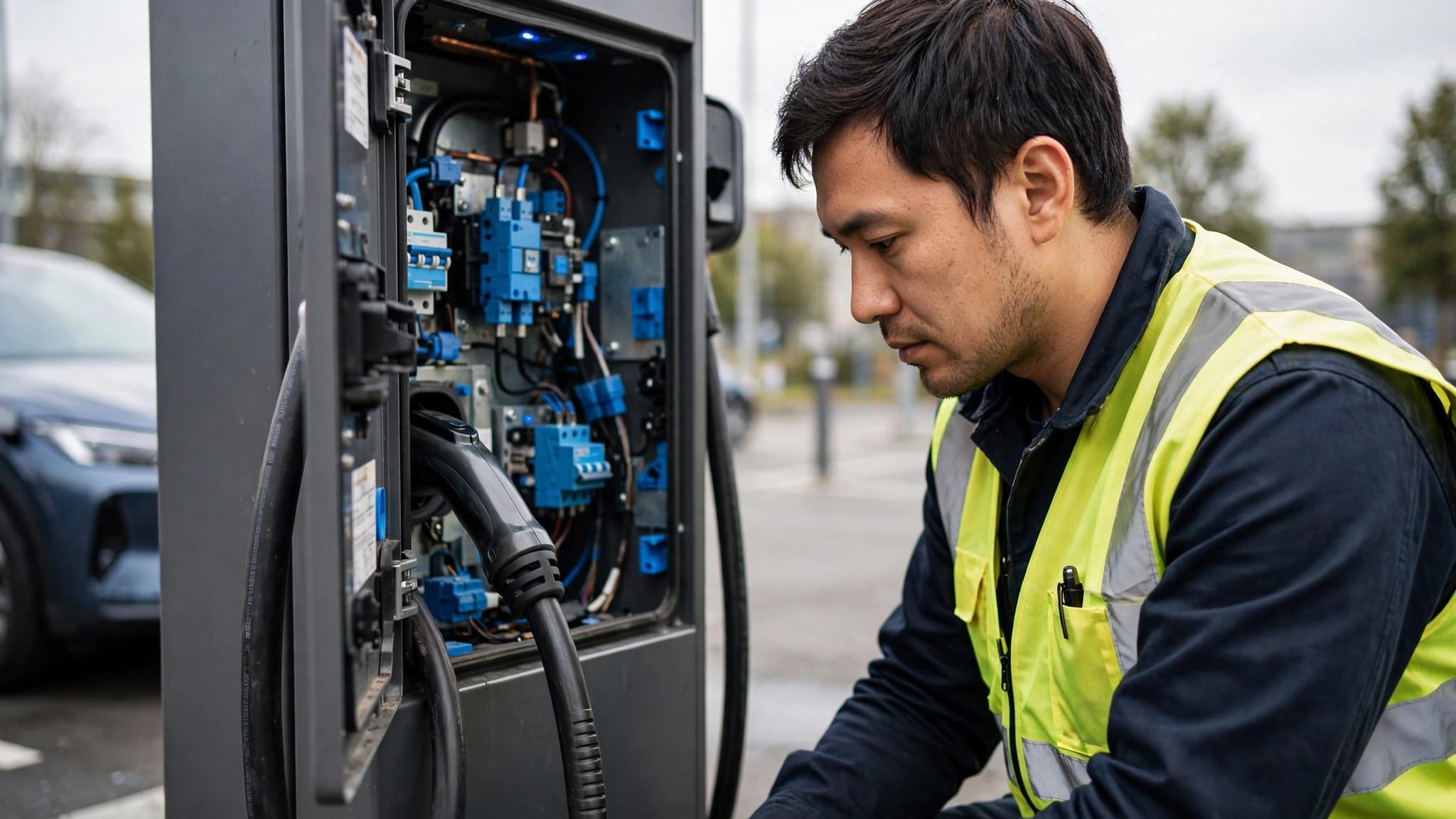
These are software and service issues. They don't call for opening the charging unit, disconnecting vehicle electronics or attempting to handle private keys yourself.
Give support the vehicle model, charging service, station identifier, time and exact error. State whether manual charging succeeded and whether the automatic method previously worked.
That last detail matters. "Never activated" and "worked until the account changed" describe different starting points for a support investigation.
When the Station or Backend Is the Problem
Automatic authorization can fail even when the vehicle and its contract are ready. The station still needs to complete its part of the exchange.
The charging operator, service provider and vehicle software can each contribute to that outcome. A generic "payment failed" message doesn't identify which one did.
Connectivity Can Interrupt Authorization
The car-to-station conversation and the station-to-backend conversation are separate links.
ISO 15118 handles vehicle-to-equipment communication. OCPP, the Open Charge Point Protocol, is commonly used between charging equipment and a central management system.
A station can recognize the car locally but fail to complete a backend authorization request. Your phone showing strong mobile reception doesn't prove the charger's own connection is working.
Offline authorization depends on the equipment, configuration and available local information. It isn't a universal Plug & Charge guarantee.
A manual payment route may also depend on the same unavailable backend. Carrying another method helps, but it cannot repair every station outage.
Protocol Implementation Can Cause Handshake Failures
A secure connection requires compatible implementations. Differences in TLS versions, cipher suites, supported elliptic curves or certificate chains can prevent the handshake from completing.
CharIN's EV-to-station interoperability recommendations address communication details that affect these exchanges.
For operators, useful diagnostics separate connection establishment, certificate validation, contract authorization and energy delivery. One undifferentiated failure counter hides the stage that needs work.
For drivers, the practical response is simpler: preserve the error, use another supported charging route or move to a working station. Repeated retries won't correct a software incompatibility.
Why Charging Can Start but Stay Slow
Once the session is authorized and energy is flowing, Plug & Charge has completed its main access-and-payment role.
The power reaching the battery depends on other conditions: the vehicle's charging capability, battery temperature, state of charge, station output and any applicable power sharing or equipment limitation.
A cold battery can accept less power. A battery approaching its charge limit can taper substantially. The station's advertised maximum is a capability rating, not a promise that every vehicle receives that power throughout the session.
That matters because a slow session can tempt you to blame the automatic start. But successful authorization and charging performance belong to different parts of the process.
Look at actual charging power and energy delivered. A session timer alone doesn't tell you whether the battery is receiving useful energy.
Also distinguish an authorized session from a vehicle waiting to charge. A schedule, charge limit or vehicle condition can affect when energy begins or continues.
If charging stops at the vehicle's selected limit, the payment system hasn't necessarily failed. The car may have completed exactly the task you gave it.
This is one place where a little patience helps, followed by the right diagnosis. Changing accounts won't warm a battery, and a different payment card won't raise the vehicle's maximum charging capability.
Home Charging, Scheduling and Bidirectional Power Differ
Many home chargers begin supplying power after connection because the installation doesn't require a public charging contract for every session. That familiar experience doesn't establish ISO 15118 Plug & Charge support.
At home, the electricity is normally billed through the household utility account. Access control, charging schedules and load management are separate functions.
Our guide to Wi-Fi and off-peak charging explains why the feature you need may simply be reliable scheduling. Buying more connectivity doesn't automatically improve the charging routine.
A useful home setup follows the intended tariff period and provides a supported immediate-charge option. After installation, run a scheduled session and an immediate session, then compare the results with the utility's interval records.
Avoid household smart plugs, improvised timers or unsupported adapters as substitutes for suitable EV charging equipment. Installation changes belong with a qualified electrician.
Bidirectional charging is another separate question. The ISO 15118-20 communication standard includes messages and sequence requirements for bidirectional power transfer.
That communication capability alone doesn't give an EV vehicle-to-home or vehicle-to-grid operation. Compatible vehicle hardware, power-conversion equipment, controls and the applicable electrical arrangement are also required.
Automatic authorization, scheduled charging and bidirectional power can share communication infrastructure. Each still needs its own supported implementation. One feature on a specification sheet doesn't purchase the others for you.
Frequently Asked Questions
Do I Need My Phone Every Time?
A working Plug & Charge session doesn't require you to manually authorize each start on your phone. The vehicle presents its contract credential through the charging connection.
Keeping the relevant app available is still useful for receipts, session information, account management and a supported alternative start. Your phone's connection also doesn't determine whether the station's backend is online.
Does Plug & Charge Work With an Adapter?
An adapter alone doesn't establish support. The approved vehicle-and-adapter arrangement must be compatible with the station, and the automatic authorization process must work across that combination.
Our AC and DC adapter guide explains why adapters intended for different charging uses aren't interchangeable. Physical fit cannot supply missing software support, network access or a charging contract.
Is Plug & Charge Free?
The automatic authorization feature doesn't make the electricity free. Billing follows the charging contract used for the session.
An eligible charging benefit may cover some use under its terms. Other sessions can generate electricity charges, session fees or idle fees where applicable. Parking charges can also be separate. Plug & Charge doesn't set one universal price or combine benefits across accounts.
Can I Use More Than One Charging Contract?
Contract handling depends on the vehicle and service implementation. Don't assume that adding several accounts gives the car universal access or makes it select the cheapest contract.
The meaningful result is which contract actually authorizes the session. The session record or receipt identifies the billing route. That's particularly important when separating household, employer and promotional charging.
What Changes When I Sell or Buy the Vehicle?
A change of ownership requires attention to vehicle-account associations and charging services. The outgoing owner's payment arrangement shouldn't remain the basis for the new owner's charging.
Use the supported account-transfer process and remove obsolete account access. The new owner needs an active contract and usable provisioning for their own service. Possessing the keys doesn't automatically establish the correct charging-account relationship.
Make Automatic Charging Predictable
Plug and charge works when the vehicle, station, contract and security credentials complete the authorization process together. Once they do, the everyday experience can be pleasantly simple: connect, see energy flowing and get on with your stop.
The most useful first step is a complete setup followed by one low-pressure session. Keep the receipt, know which account paid and retain another supported way to start. Automatic charging should remove a chore without leaving you guessing about access or cost.
Sources & further reading

Written by
LarryLeoLarryLeo started EV Charging while researching his own next car purchase. He digs into the pros, cons and real cost savings of going electric — using government, standards-body and manufacturer sources — and shares what he finds so other buyers can decide with confidence.
Why trust EV Charging Guide
Our guides are researched from government, standards-body and manufacturer sources, reviewed for accuracy, and updated when rules or products change. Brands cannot pay for placement. Read our editorial policy.