Do I need a 240V outlet to charge an electric car?
Short answer
No. Compatible Level 1 equipment can use a suitable 120V circuit, while Level 2 uses a higher-voltage supply and may be hardwired.
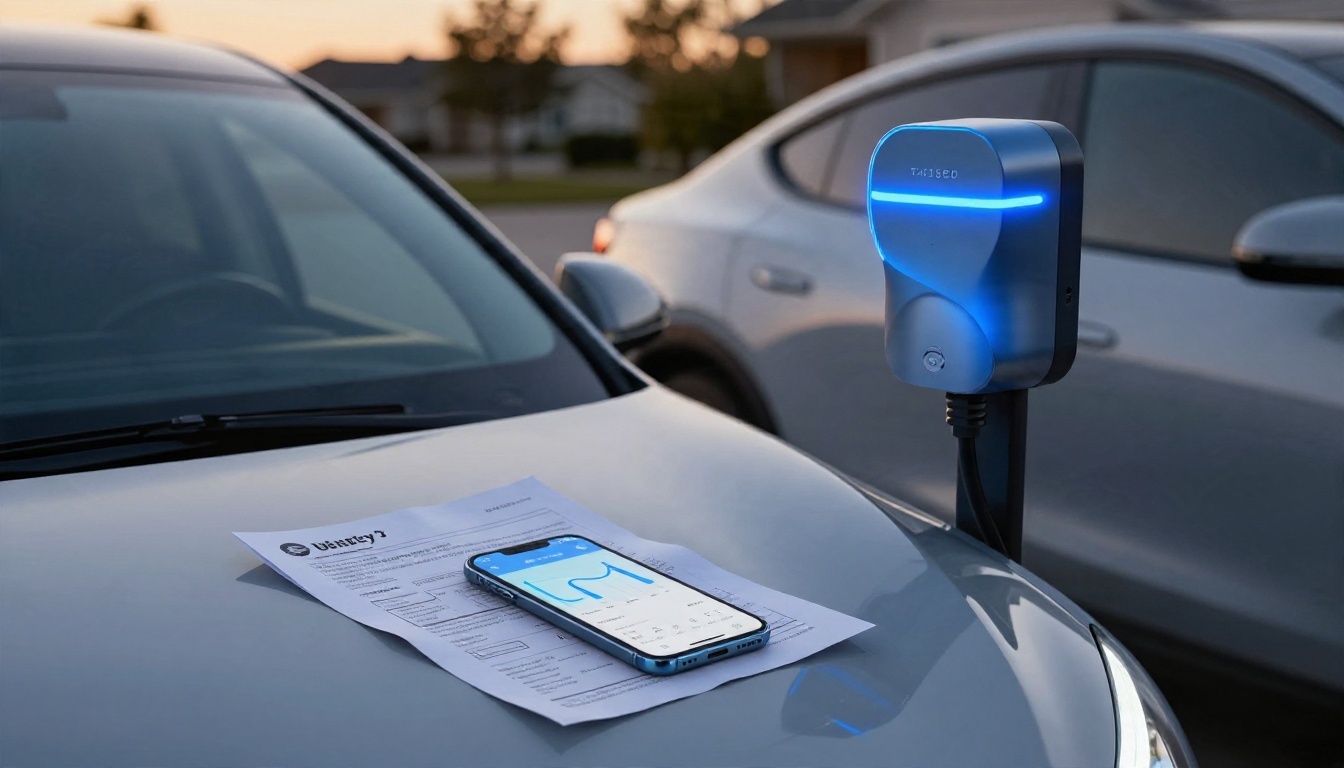
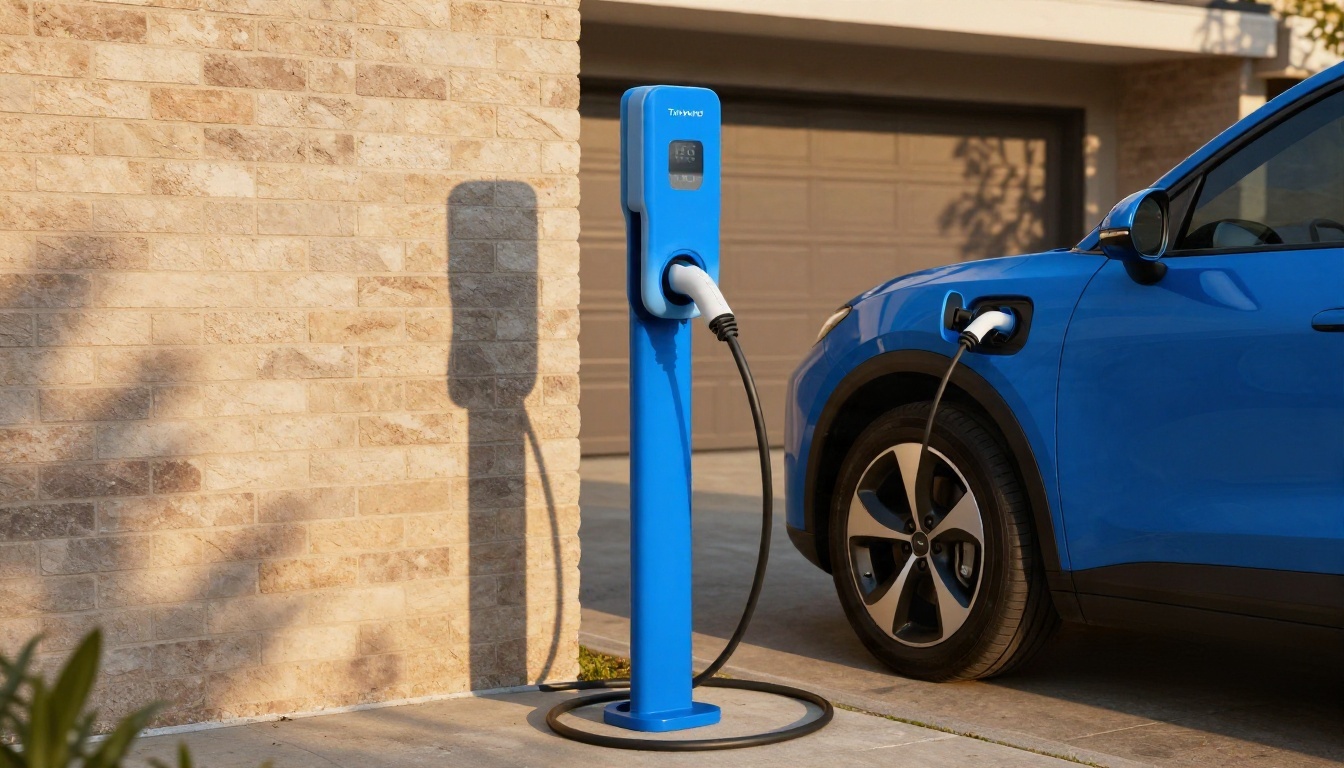
You don't necessarily need a 240V outlet even when choosing Level 2: a hardwired charger connects directly to its circuit. The choice depends on the equipment instructions, local requirements and your installation. Ask an electrician to price the complete arrangement rather than requesting an outlet before selecting a charger.
Decide using daily energy and available charging hours. A short commute with long overnight parking may work on Level 1. A larger vehicle, winter driving or a brief off-peak window can make Level 2 much more useful. Neither a fixed mileage threshold nor the size of the battery alone tells the whole story.
Shopping for gear?
As an Amazon Associate, EV Charging may earn from qualifying purchases. This helps support our independent guides at no extra cost to you.