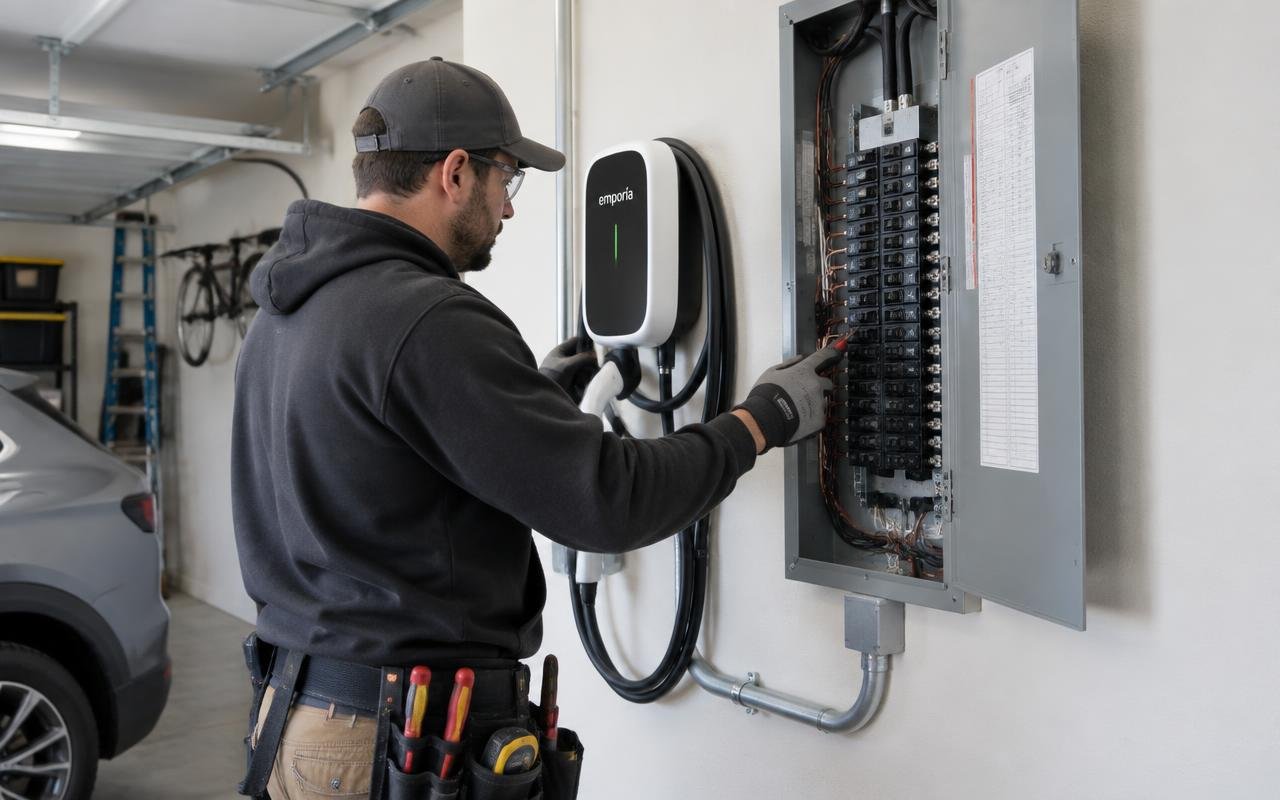
How long does it take to charge an electric car at home?
Short answer
Divide the energy you need by the charging power your car actually accepts, then allow extra time for losses and temperature.
Start with tonight's top-up, not an empty-to-full battery. If you need 24 kWh and the car accepts 7.2 kW, the ideal calculation is 24 ÷ 7.2 = 3.3 hours. Real charging takes longer because some electricity runs electronics, warms or cools the battery, and is lost during conversion. That's an illustration, not a promise for your driveway.
The slowest limit wins: your installed charging setting, the vehicle's AC charging limit, or the power available at the time. A bigger number on the wall box won't override the car. Level 1 can suit modest daily driving with plenty of parking time; Level 2 gives more room for longer days. Check the vehicle's estimated finish time after plugging in.
Shopping for gear?
As an Amazon Associate, EV Charging may earn from qualifying purchases. This helps support our independent guides at no extra cost to you.
Sources
People also ask
In-depth guides
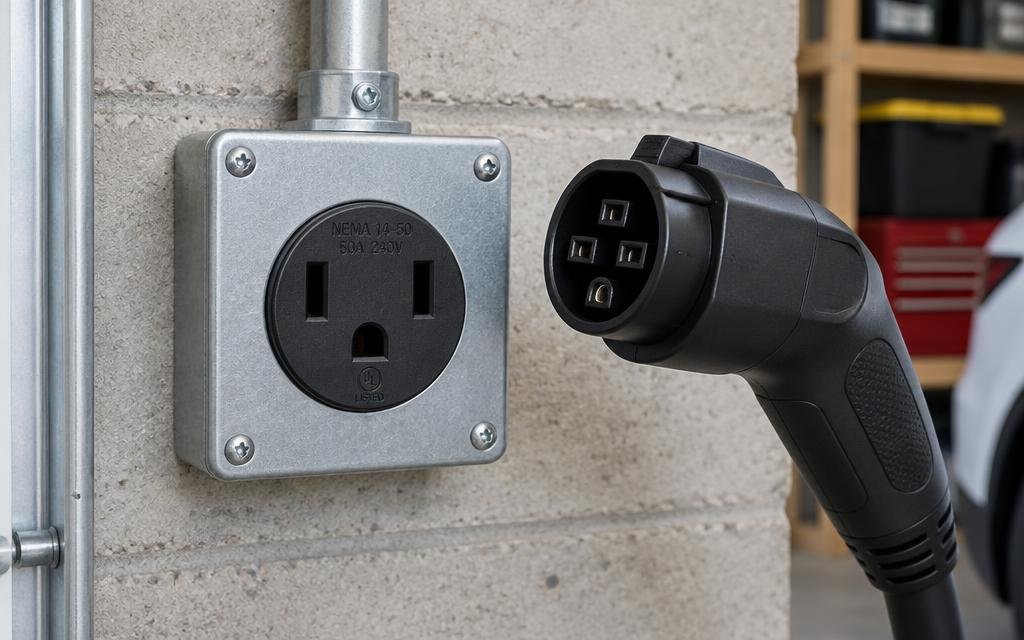
NEMA 14-50 vs Hardwired EV Charger: Which Installation Is Better?
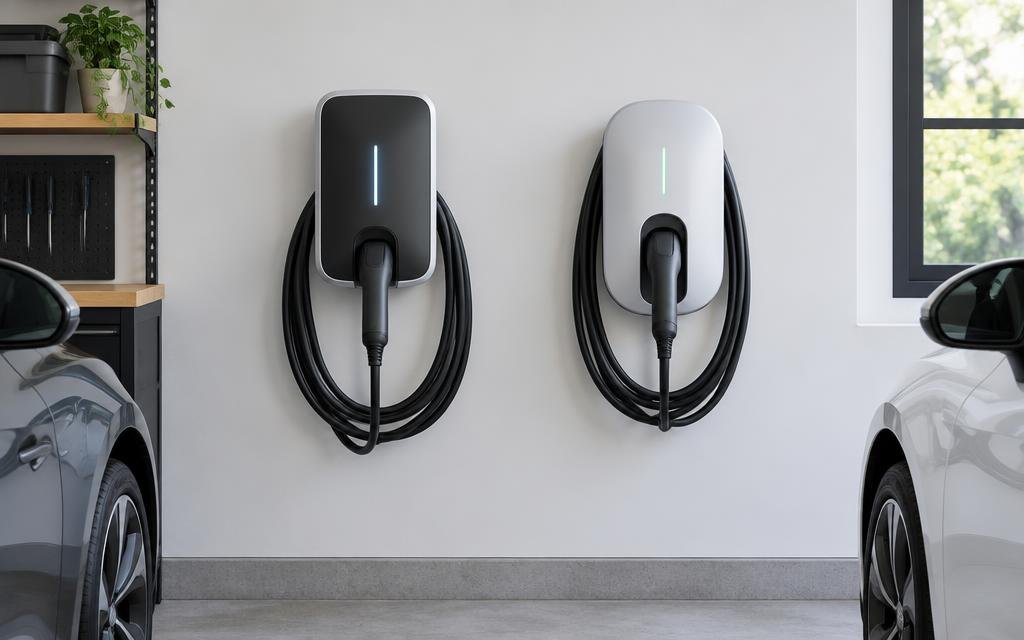
40 Amp vs 48 Amp EV Charger: Is the Faster Charger Worth It?